The right timing depends on symptoms, cleaning access, tooth position, imaging, risks, and how complex removal may be.
Wisdom teeth removal
Wisdom Teeth Removal Perth, when pain or swelling is hard to judge
Wisdom tooth pain can be hard to judge. It might be a gum flap that keeps getting inflamed, food trapping behind the last molar, jaw soreness, swelling, or a tooth that has only partly erupted and is difficult to clean.
Before discussing removal, your dentist checks symptoms, eruption position, gum health, decay risk, jaw opening, nearby teeth, imaging findings, medical history, comfort options, guide fees, and whether monitoring, in-chair removal, medicine, or referral is the safer pathway.
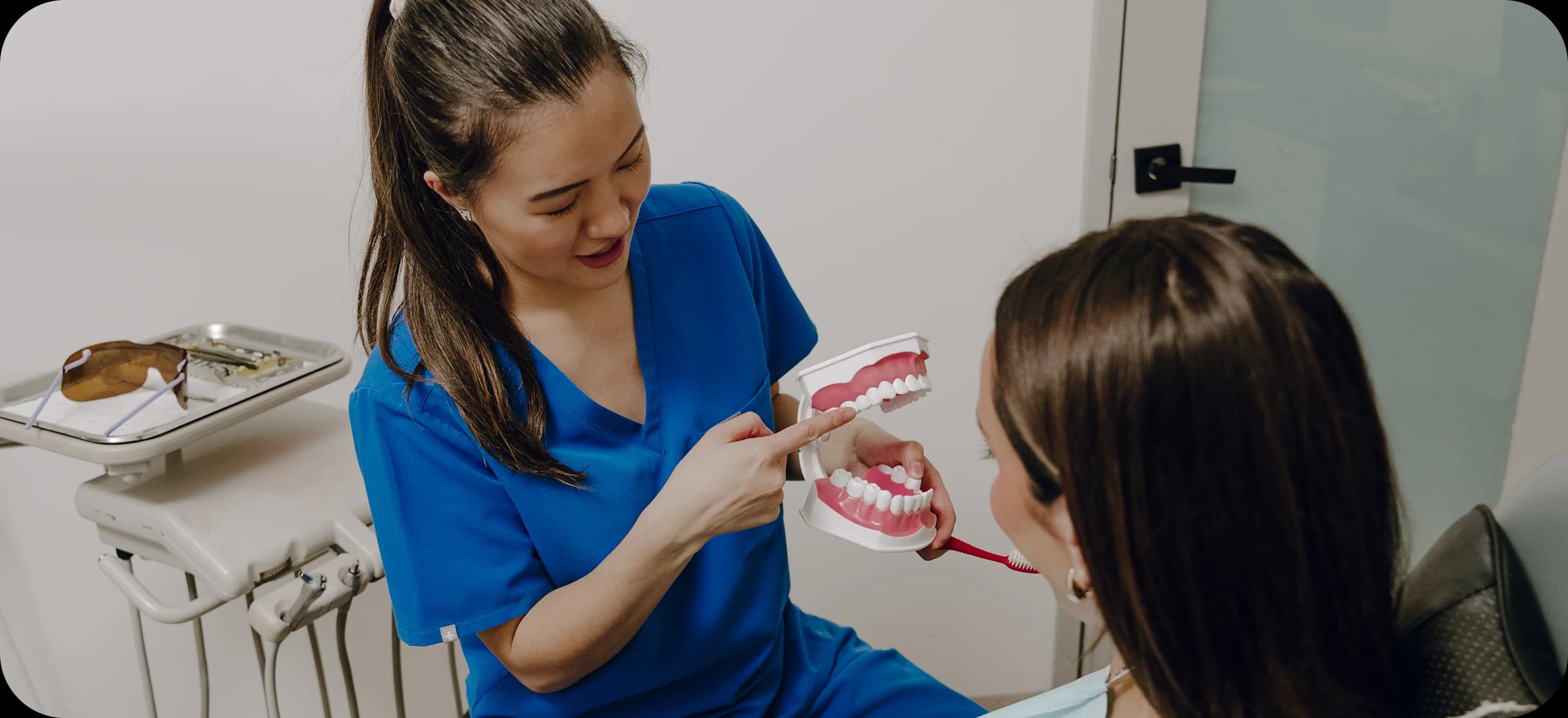
With support tailored to your needs, including suitability, comfort, next steps, and clear guidance after assessment.
Reviewed for wisdom tooth indication and recovery language.
Appointments are planned after your clinician checks your teeth, gums, medical history, comfort needs, alternatives, risks, and fees.
Quick read
What to know in the first minute
Not every wisdom tooth needs removal. The calmer decision comes from symptoms, position, imaging, cleaning access, and a realistic discussion of whether monitoring, chairside removal, or referral makes more sense.
Symptoms matter more than assumptions
Pain, swelling, food trapping, repeated gum irritation, or decay risk can change the urgency, but some wisdom teeth are simply monitored.
Complexity changes the pathway
Position, nearby nerves or sinuses, mouth opening, medical history, and comfort needs can shift the decision toward in-chair care or referral.
The fee discussion should stay visible
Consultations start from $70, examinations start from $70, and tooth extractions start from $250 before complexity or referral is confirmed.
When to assess
When should wisdom teeth be reviewed?
Wisdom teeth should be reviewed when there is pain, swelling, repeated gum irritation, bad taste, jaw stiffness, food trapping, decay, or difficulty cleaning around the back molars.
Some wisdom teeth can be monitored if they are healthy, fully erupted, and cleanable. Partly erupted or impacted wisdom teeth may need closer assessment because repeated infection, decay, cysts, or damage to the tooth in front can occur in some cases.
Options
Removal versus monitoring
The decision is not automatically removal. Your dentist weighs symptoms, x-rays, cleaning access, infection history, nearby nerves or sinuses, medical history, and the complexity of treatment.
Monitor
Monitoring may be considered when the wisdom tooth is healthy, symptom-free, and realistic to keep clean with periodic review.
In-chair removal
Selected teeth can be removed in the dental chair after assessment of position, access, comfort needs, and expected recovery.
Referral pathway
More complex wisdom teeth may need referral for surgical assessment, especially when anatomy or medical factors increase the risk profile.
Short-term symptom care
If the gum is inflamed or infected, advice may include cleaning support, rinses, medication, or urgent review before a longer-term decision is made.
Compare
Common wisdom tooth pathways
Your pathway should be based on symptoms, cleaning access, imaging, medical history, complexity, fees, and what could happen if the tooth is left alone.
OptionOften discussed whenWhat to check first
Clinical monitoringHealthy teeth without symptoms and with manageable hygiene accessReview interval, cleaning method, x-ray timing, and symptoms that should prompt reassessment
Symptom management firstInflamed gum tissue or infection signs that need stabilising before a final decisionCleaning, rinses, medicines where appropriate, and when urgent review is needed
In-chair removalSelected cases suitable for local management after assessmentAnatomy, comfort planning, fee estimate, recovery instructions, and review timing
Referral pathwayComplex positions, higher-risk anatomy, medical considerations, or hospital-based care needsWhy referral is recommended, expected records, timing, and cost questions to ask
Cost
Visible fee guidance before a wisdom tooth decision
Wisdom tooth fees can change quickly with position and complexity, so the most useful starting point is a visible guide fee plus a clear written estimate for anything surgical or referral-based.
Guide only, not a personal quote. Complex, surgical, or referral wisdom-tooth removal still needs assessment and a written estimate.
Useful when you need advice, a second opinion, or a clearer next step before treatment begins.
A clinical examination helps identify what needs attention before treatment fees are discussed.
This is the public extraction starting point before tooth position, impaction, imaging, comfort planning, and referral complexity are confirmed.
Any surgical or invasive procedure carries risks. Your dentist should explain risks, alternatives, recovery, and replacement options where relevant.
Perth support
Wisdom tooth decision support for Shelley and Parkwood patients
Our team explains the findings in plain language so you can understand whether monitoring, treatment in the chair, medicine, or referral is being discussed and why.
Assessment before assumptions
We base recommendations on symptoms, examination, cleaning access, and imaging rather than removing wisdom teeth by default.
Clear recovery guidance
If removal is planned, you receive practical aftercare, warning signs, and follow-up information before treatment.
Fee and timing clarity
You can ask what is included, what may change the fee, and whether time off work or study should be planned.
Referral coordination
Where needed, we coordinate referral for more complex surgical assessment and explain the reason for that pathway.
FAQs
Wisdom teeth questions
Common concerns about symptoms, monitoring, removal, referral, recovery, and fees.
General information only. Your dentist confirms suitability, risks, alternatives, timing, and fees after assessment.
Do all wisdom teeth need removal?
No. Some wisdom teeth are monitored if they stay healthy, symptom-free, and accessible for cleaning. Removal may be discussed when there is infection, decay, cyst risk, damage to nearby teeth, repeated gum problems, or poor cleaning access.
What are signs I should book a review soon?
Book a review if you notice pain, swelling, bad taste, repeated gum irritation, difficulty opening, fever, jaw discomfort, food trapping, or trouble cleaning the area. Severe or spreading swelling needs urgent medical or dental advice.
How long is recovery after removal?
Recovery varies by case complexity, the number of teeth removed, the type of procedure, medical history, and individual healing. Your clinician gives tailored aftercare advice, including diet, cleaning, medication, activity, and when to call.
What recovery planning usually covers
Bleeding control, swelling, diet, cleaning, medicines, time off work or study, review timing, and warning signs such as worsening swelling, fever, bad taste, or difficulty opening should all be discussed before treatment.
What risks may be relevant
- Bleeding, infection, or dry socket
- Jaw stiffness or difficulty opening
- Sinus or nearby tooth considerations
- Altered sensation where anatomy makes that risk relevant
Sources for this answerHealthdirect: Removing wisdom teeth
Can I be referred for complex wisdom tooth surgery?
Yes. If the position, anatomy, medical history, sedation needs, or risk profile makes the case more complex, referral can be discussed. Your dentist should explain why referral is recommended and what records may be needed.
How much does wisdom tooth removal cost in Perth?
Fees vary because wisdom teeth differ in number, position, imaging needs, complexity, comfort planning, appointment setting, and whether referral or hospital-based care is needed. A written estimate should explain what is included and what could change.
Visible guide anchors on this page
Consultations start from $70, examinations start from $70, and tooth extractions start from $250.
Why a surgical estimate can be higher
- Impaction or difficult access
- More complex anatomy or referral needs
- Sedation or hospital-based planning
- Multiple teeth or longer recovery support
Sources for this answerHealthdirect: Removing wisdom teeth