
 Bite records
 Staged movement
Diagnosis first. Tray system second
A clear aligner plan should start with records, gum health, bite checks, movement limits, and a written quote, not a brand name alone.
You might be noticing crowding, spaces, relapse after braces, an uneven bite, or teeth that feel harder to clean. Clear aligners can sound appealing, but the better first question is whether removable trays are realistic for your teeth, gums, bite, routine, and long-term maintenance.
At The Dental & Implant Studio, a clear aligner consultation stays product-neutral. We talk through diagnosis, alternatives, daily wear, fees, tracking, refinements, and retainers before any system is recommended.
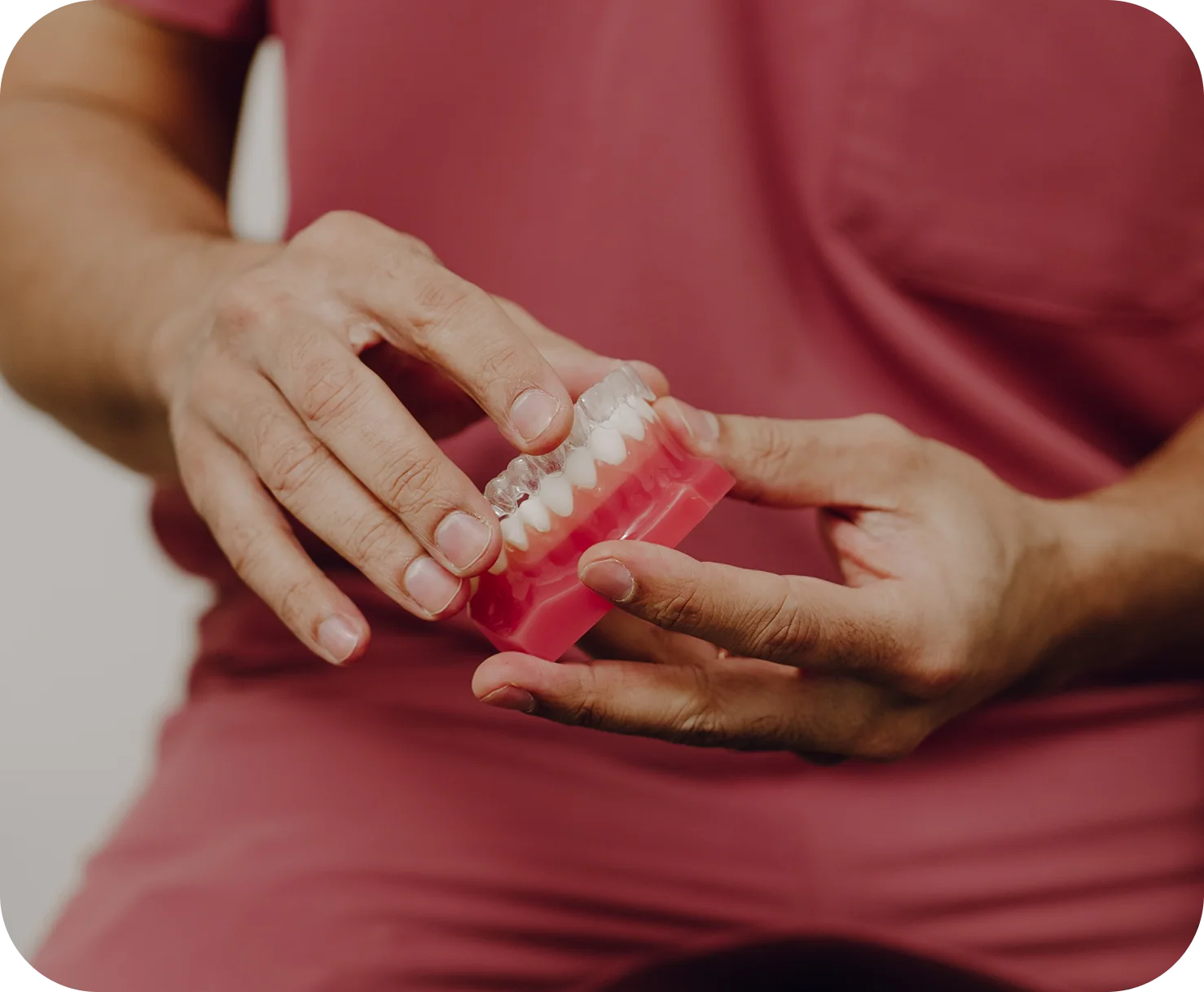
A clear aligner plan should start with records, gum health, bite checks, movement limits, and a written quote, not a brand name alone.
If you are comparing clear aligners in Perth, start with the clinical questions. Removable trays can be helpful for selected cases, but only when the diagnosis, wear routine, review care, and retainer plan make sense together.
Clear aligners still move teeth. Gum health, bite forces, restorations, crowding, spacing, and relapse history all need assessment first.
Trays need consistent daily wear, cleaning, safe storage, reviews, and an honest plan for meals, work, sport, travel, and retainers.
The written quote should explain records, scans, aligner stages, attachments, refinements, retainers, health fund details, and payment options.
Most people do not need every technical detail on day one. These three decisions usually shape whether aligners are worth exploring further.
We check tooth movement goals, gum support, bite, old dental work, hygiene, and whether braces, restorative care, or monitoring should be compared.
Explore common concernsAligners need reliable wear, cleaning, storage, reviews, and retainers. The routine has to fit real life before treatment starts.
View the processA written estimate should make records, refinements, retainers, review visits, health fund details, and payment options easier to compare.
Understand quote clarityChoose the concern that sounds closest. This cannot diagnose suitability, but it can show the kind of questions a clear aligner consultation should answer.
Crowded teeth can draw your eye in photos, but they can also make brushing and flossing feel harder than it should.
Aligners may be discussed for selected crowding, but safe space creation, gum support, and bite position matter.
This does not diagnose suitability. It helps shape the questions for your consultation.
The exact sequence depends on your records and diagnosis. The process should still feel understandable before the fine clinical detail is added.
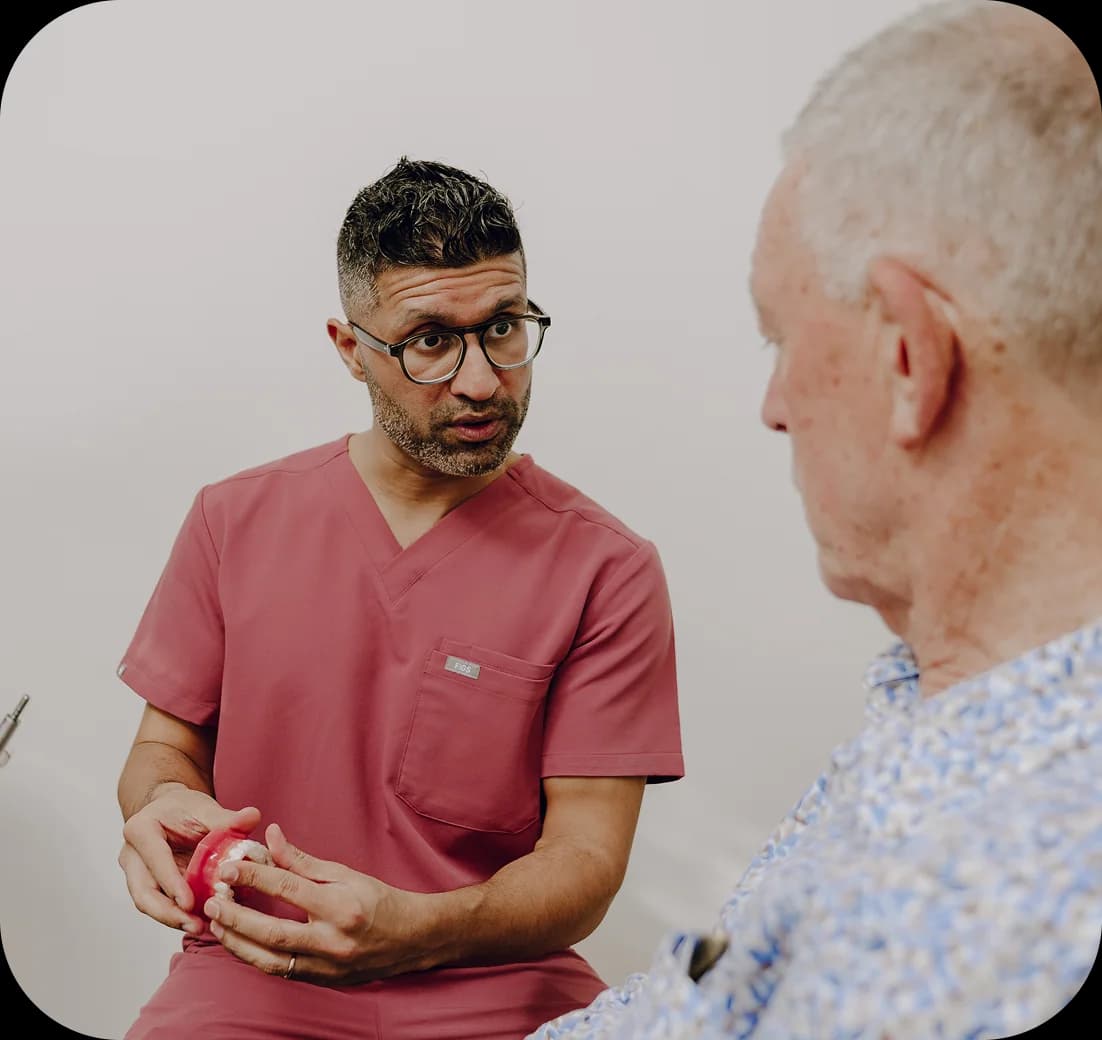
This is where concerns about photos, cleaning, relapse, cost, attachments, speech, discipline, or cosmetic sequencing should be raised openly.
We start with what you have noticed, what you hope to change, and what you do not want to rush into.
This is where concerns about photos, cleaning, relapse, cost, attachments, speech, discipline, or cosmetic sequencing should be raised openly.Photos, scans, gum checks, bite assessment, and radiographs where needed help show what is realistic.
These records move the discussion from what you would like to what your teeth, gums, bite, and daily routine can support.The proposed movement, likely stages, limits, alternatives, and fee inclusions are discussed before treatment proceeds.
The quote should explain records, aligner stages, review visits, refinements, retainers, health fund details, and payment options.You receive trays, instructions, and any attachments or enamel adjustment that are appropriate for the plan.
Reviews check fit, tracking, comfort, hygiene, and whether a tooth needs more time or refinement planning.Retainers are planned before treatment ends so tooth movement has a maintenance pathway.
You should know how retainers are worn, cleaned, replaced, and reviewed before committing to clear aligners.The most useful consultation does not treat all alignment concerns as a tray problem. It compares the main pathways so the recommendation feels diagnosis-led.
Clear aligners may be discussed when the desired movement, bite, gum support, and daily wear routine make removable trays realistic.
This is not a calculator. It is a way to understand why clear aligner fees in Perth vary and what a written quote should make clear before you decide.
Clear aligner pricing is usually discussed in broad ranges because case complexity, records, reviews, refinements, and retainers vary. Use ranges for budgeting, then rely on a written quote for your actual plan.
Often discussed for minor front-tooth alignment or relapse when records, bite, and retention needs are straightforward.
Often discussed when movement involves more teeth, attachments, review visits, refinements, or cosmetic sequencing.
Often discussed when bite correction, rotations, longer treatment, multiple refinement stages, or referral questions need more detail.
These ranges are guide only, not a personal quote or fee schedule. Your actual clear aligner fee can only be confirmed after consultation, records, diagnosis, treatment planning, and a written quote that explains inclusions, exclusions, review visits, refinements, retainers, payment options, and any health fund considerations.
A local team of dentists and an oral health therapist focused on practical guidance, steady communication, and continuity from the first appointment through review and maintenance, without over-weighting any one clinician.
Principal Dentist, DEN0001372159
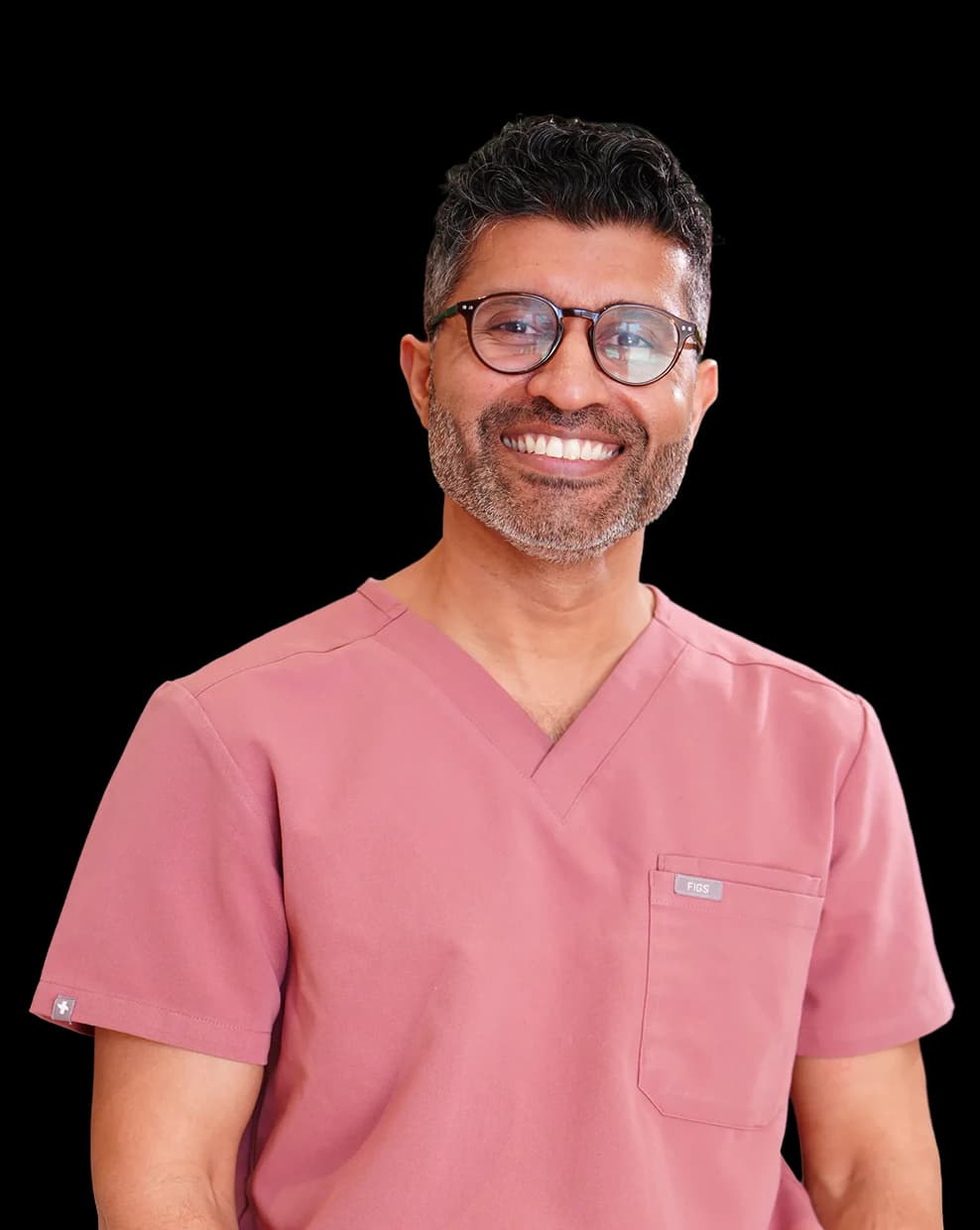
Dr. Meheransh Chopra
Dr. Chopra graduated from the University of Western Australia and focuses on helping patients understand their dental health before making decisions. His consultations place emphasis on education, careful assessment, and treatment planning that is explained in practical language.
At the studio, Dr. Chopra is closely involved in implant and restorative conversations, including suitability, function, aesthetics, maintenance, and the sequence of care. Outside dentistry, he enjoys motorsports, football, and music, and is Vice President of the WA Dental Alumni Association.
Dentist, DEN0002459496
Dr. Philene Ng
Dr. Philene Ng completed a Doctor of Dental Medicine at the University of Western Australia in 2020. She has a strong interest in restorative and preventative dentistry, with appointments shaped around communication and patient education.
Her approach supports patients who want to understand what is happening with their teeth and what options may be appropriate. Outside work, Dr. Ng enjoys the gym, cooking, baking, and planning travel, bringing a calm and balanced presence to the team.
Dentist, DEN0002677043
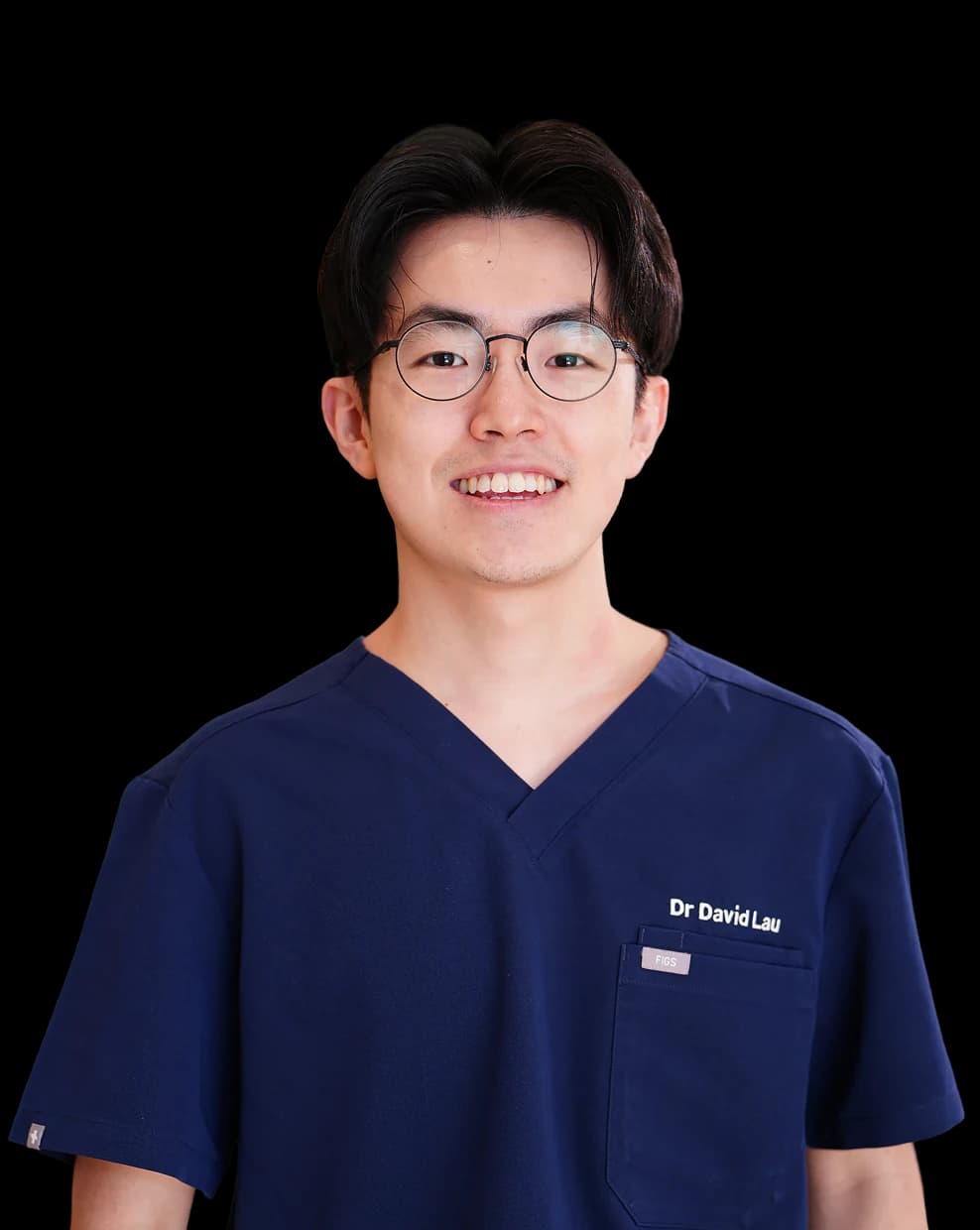
Dr. David Lau
Dr. David Lau graduated from the University of Adelaide in 2022 and offers a broad range of dental treatments. He values patient-centred care and takes particular interest in helping anxious patients feel more at ease during appointments.
His work supports the wider studio approach by making everyday dentistry feel understandable and approachable. Away from the clinic, Dr. Lau enjoys the outdoors, culinary adventures, family gatherings, and exploring new food experiences.
Oral Health Therapist
Lydia Lee
Lydia Lee graduated from Curtin University in 2017 as an Oral Health Therapist. She provides thorough cleans, periodontal maintenance, oral health education, and supportive care for children and adults.
Her work is especially important for patients considering or maintaining implants, because gum health and daily cleaning routines influence long-term oral health. Outside the studio, Lydia enjoys food spots, travelling, volunteering, outdoor activities, musicals, and concerts.
These FAQs can help you compare removable aligner options more clearly, but the right recommendation still depends on records and clinical assessment.
General dental information does not replace personalised advice from a registered dental practitioner.
No. Clear aligners may be discussed for selected crowding, spacing, relapse, and bite concerns, but suitability depends on tooth position, bite relationship, gum health, decay risk, restorations, oral hygiene, and whether removable trays can be worn consistently.
Crowding, spacing, rotations, deep bite, crossbite, tooth wear, gum support, previous dental work, missing teeth, and relapse history can all change what is clinically realistic.
Fixed braces, referral for complex tooth movement, gum stabilisation, bonding or veneers, restorative planning, or monitoring may be more appropriate in some situations.