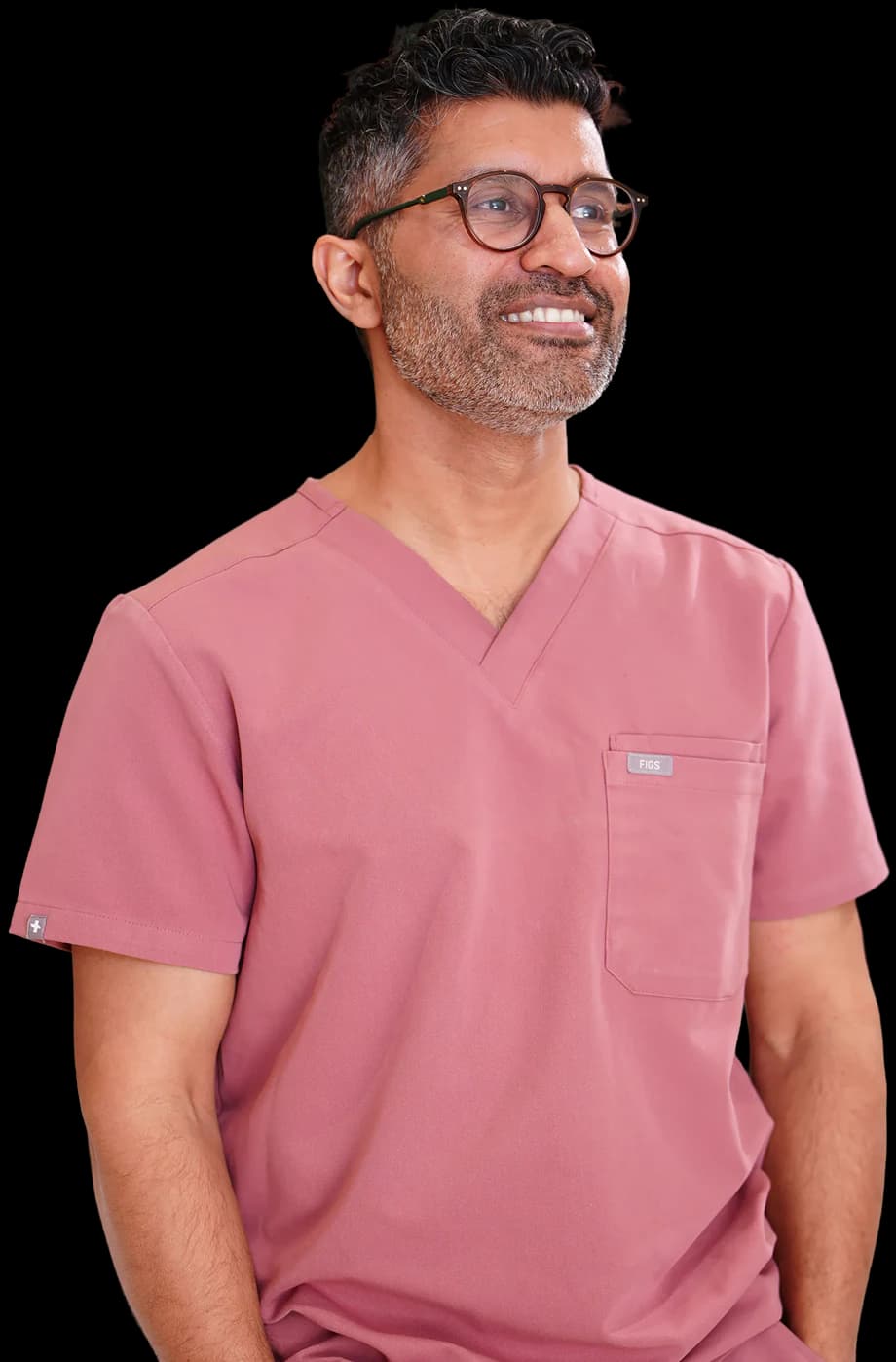
If your child is shy, worried, energetic, curious, or unsure, we can slow the pace and help them build confidence before anything more involved is discussed.
Children's dentist
Children's Dentist Perth, calm visits for growing teeth
A child's dental visit should feel calm, practical, and age-appropriate. We help parents understand what is happening with baby teeth, adult teeth, brushing habits, comfort, and any concerns that need follow-up.
Visits may include a gentle examination, tooth counting, gum and bite checks, cleaning guidance, fissure seal or x-ray discussions where appropriate, and clear advice for home care.
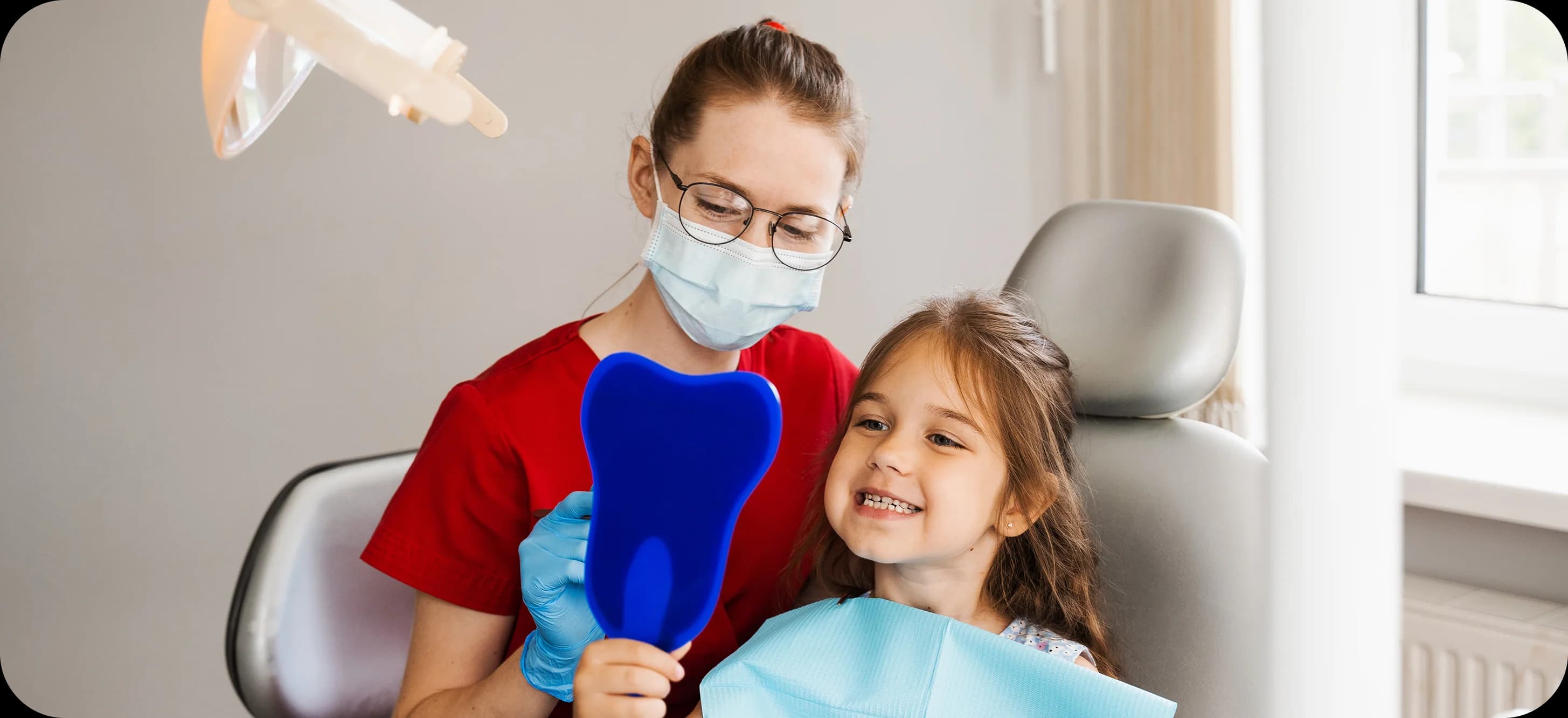
With support tailored to your needs, including suitability, comfort, next steps, and clear guidance after assessment.
Reviewed by Dr. Philene Ng for clinical safety, urgent-symptom wording, Child Dental Benefits Schedule accuracy, and practical parent guidance.
Preventive appointments are confirmed after your clinician assesses your teeth, gums, comfort needs, and fee items.
FIRST MINUTE
What to know before you book a child visit
Before you decide whether this is a routine check, a first visit, or something that needs earlier advice, these are the main things parents usually want clarified first.
A first or nervous visit can stay simple
The goal may simply be trust, tooth counting, a gentle look, and practical parent guidance rather than forcing a full adult-style appointment straight away.
CDBS can help some eligible children
CDBS is useful to ask about, but it is not automatic. Eligibility, remaining balance, applicable cap, covered services, and any private fee gap still need to be checked before care.
Pain, swelling, or injury should be triaged first
If your child has toothache, swelling, a broken tooth, or a dental injury, call first so the team can guide the timing instead of treating it as a routine visit.
Guided start
Choose what feels closest
A children's dental visit can start from a parent question, a symptom, a first-visit milestone, or a benefits question. Choose the closest starting point.
What brought you here?
A first visit can be short, gentle, and focused on trust.
This is my child's first dental visit
A first visit can be short, gentle, and focused on trust.
What we would check
The first visit may be short and focused on checking development, helping your child become familiar with the setting, and giving parents practical home-care guidance.
Important to know
A first visit does not need to wait until there is toothache or a visible problem.
A useful first question
Can we make the first visit simple and age-appropriate?
My child has toothache or swelling
Pain or swelling can make it hard to know whether this is routine.
What we would check
Call the clinic for advice if your child has toothache, swelling, a dental injury, a broken tooth, a loose adult tooth after trauma, or pain that is affecting eating or sleep.
Important to know
Dental trauma and swelling should not be treated as routine check-up questions.
A useful first question
Should we call before booking a routine visit?
A tooth has been knocked or injured
A knock to a tooth needs calm, practical advice quickly.
What we would check
If a baby tooth is knocked out, do not put it back into the socket. Seek urgent dental advice so the area and developing adult tooth can be checked.
Important to know
If an adult tooth is knocked out, seek help immediately and keep the tooth moist in milk or saliva if you can do so safely.
A useful first question
What should we do now?
Brushing has become a battle
Brushing problems are common and do not need to become a lecture.
What we would check
Brushing, diet, dummy use, thumb sucking, grinding, and sports mouthguard questions are handled as practical care topics, not lectures.
Important to know
We can look at cleaning access, tooth grooves, crowded areas, habits, and what is realistic at home.
A useful first question
What home-care change would make the biggest difference?
I want to understand CDBS before booking
It is reasonable to ask about benefits, balance, and any gap before care starts.
What we would check
Some children aged 0 to 17 can use the Child Dental Benefits Schedule if they are eligible for Medicare and the family receives an eligible Australian Government payment.
Important to know
For eligible children whose CDBS period starts in 2026, Services Australia lists a cap of up to $1,158 over two consecutive calendar years for basic dental services.
A useful first question
Can eligibility and available balance be checked before care?
I have questions about x-rays or fissure seals
It is okay to ask why a preventive item is being discussed.
What we would check
Not every child needs x-rays or fissure seals at every visit.
Important to know
They may be discussed if your clinician needs to check between teeth, assess pain or trauma, review eruption, or protect deep grooves that are difficult to clean. We explain the reason, fee, and alternatives before proceeding.
A useful first question
What finding makes this worth discussing?
Your visit
A simple children's dental visit
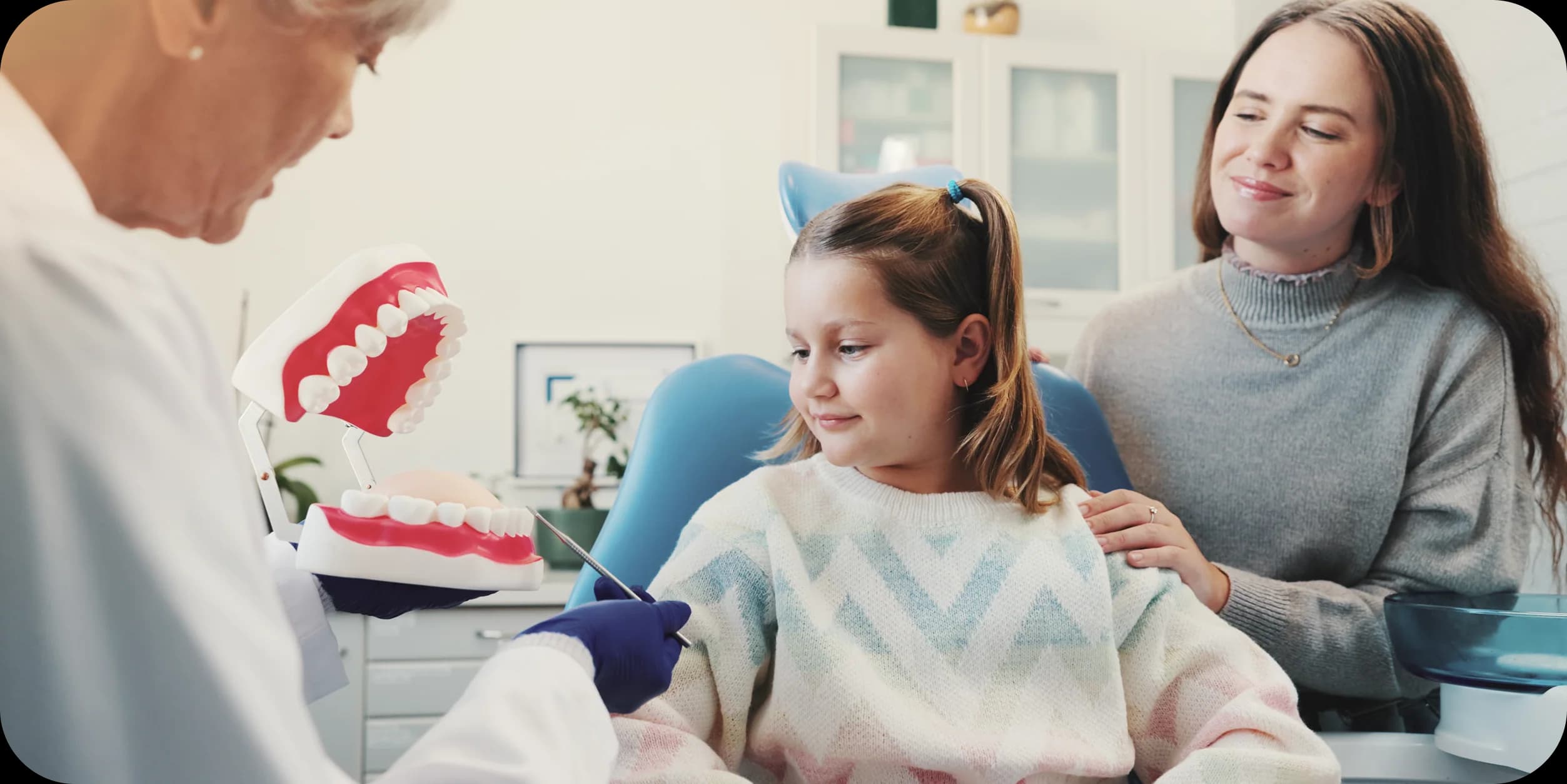
The exact visit still depends on age, confidence, and symptoms, but the sequence is kept simple so both children and parents know what is happening.
- 01
Parent and child conversation
We ask what brought you in, what your child is comfortable with, and whether there are concerns such as toothache, marks, trauma, habits, or brushing difficulty.
- 02
Age-appropriate examination
Your clinician checks teeth, gums, bite, soft tissues, eruption, cleaning access, and any areas that may need x-rays or closer review.
- 03
Clean, fluoride, or seal discussion
Depending on age and risk, the visit may include cleaning guidance, a clean, fluoride discussion, or fissure seal advice for grooves that collect plaque.
- 04
Clear next steps
We explain what is healthy, what needs monitoring, what can be changed at home, and whether another visit or referral should be considered.
Fee guide
Children's dental cost guide
Guide only, not a personal quote. CDBS cover depends on eligibility, balance, and the cap, and any private fee gap still needs to be checked before care.
For eligible children whose CDBS period starts in 2026, Services Australia lists a cap of up to $1,158 over two consecutive calendar years for basic dental services.
A practical starting point when your child needs a clinical check before any clean, prevention item, or treatment plan is discussed.
Useful when parents mainly need advice, a clearer next step, or a second opinion before treatment planning begins.
What can change the fee
X-rays, fissure sealing, fluoride, fillings, urgent care, or additional comfort-planning time can change the itemised fee if they are clinically indicated.
What may be included
A child visit may include an examination, parent discussion, cleaning guidance, oral hygiene advice, and a clear explanation of findings.
CDBS and private health
CDBS eligibility and balance can change. Private health rebates also vary by fund and policy, so costs are confirmed before care.
Children's care team
Your children's dental care team
Children's visits may involve our Oral Health Therapist and dentists depending on age, symptoms, confidence, and whether treatment planning or referral is required.
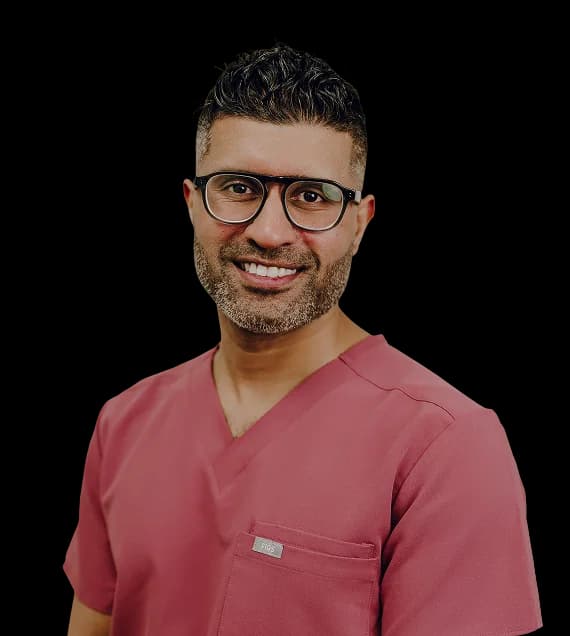
Principal Dentist
Dr. Meheransh Chopra
Principal Dentist, DEN0001372159
Principal Dentist oversight for broader planning when children's findings connect to restorative, bite, referral, or complex care decisions.

Oral Health Therapist
Lydia Lee
Oral Health Therapist
Curtin University-trained Oral Health Therapist supporting children's dentistry, preventive cleans, brushing guidance, and parent education.

Dentist
Dr. David Lau
Dentist, DEN0002677043
General dentistry, anxious-patient support, and restorative care for everyday findings.

Dentist
Dr. Philene Ng
Dentist, DEN0002459496
Preventive and restorative assessment where children or teenagers need follow-up care.
FAQs
Children's dentist questions
Detailed answers for parents comparing children's dental appointments for Shelley and Parkwood, Perth. Your child's clinician will still confirm what is suitable after assessment.
This information is general and does not replace a dental consultation. Your dentist or oral health therapist will confirm what is suitable for you after assessment.
When should my child first see a dentist?
The Australian Dental Association recommends children have their first dental visit when their first teeth appear. Healthdirect also advises that children visit by the time the first tooth appears or by their first birthday. The first visit may be short and focused on checking development, helping your child become familiar with the setting, and giving parents practical home-care guidance.
- A first visit does not need to wait until there is toothache or a visible problem.
- If you are worried about spots, trauma, swelling, pain, feeding, brushing, or eruption, book earlier rather than waiting for a routine interval.
When to book
A first visit is useful when teeth first appear or by the first birthday, and it can be brought forward if you are worried about pain, swelling, trauma, feeding, brushing, spots, or eruption.
What the first visit is trying to do
The aim is usually simple: check development, help your child become familiar with the dental setting, and give parents clear guidance before a small concern becomes harder to manage.
What happens at a children's dental visit?
A children's dental visit usually starts with a conversation about your child's health, development, diet, brushing, habits, symptoms, and previous dental experiences. Your clinician may check teeth, gums, tongue, cheeks, lips, bite, eruption, cleaning access, and any areas that need monitoring. Depending on age and findings, cleaning, fluoride, x-rays, fissure seals, or treatment planning may be discussed.
- The appointment should match the child's age and confidence, not feel like an adult visit forced into a smaller mouth.
- Parents should leave knowing what was checked, what to watch, and what practical home-care changes matter most.
The parent conversation
We start with the things parents usually know most closely: your child's health, development, diet, brushing, habits, symptoms, confidence, and any previous dental or healthcare experiences.
What may be checked or discussed
The visit can include teeth, gums, tongue, cheeks, lips, bite, eruption, cleaning access, and areas that need monitoring. Cleaning, fluoride, x-rays, fissure seals, or treatment planning are only discussed where they fit your child's age and findings.
Can my child use the Child Dental Benefits Schedule?
Some children aged 0 to 17 can use the Child Dental Benefits Schedule if they are eligible for Medicare and the family receives an eligible Australian Government payment. For eligible children whose CDBS period starts in 2026, Services Australia lists a cap of up to $1,158 over two consecutive calendar years for basic dental services. Eligibility, remaining balance, applicable cap, and any private fee gap need to be checked before treatment.
- You can ask about CDBS when booking so eligibility and available balance can be checked at the appointment.
- You should ask what each service will cost and whether CDBS will cover it before care proceeds.
What needs checking first
Eligibility, remaining balance, the applicable cap, covered services, and any private fee gap need to be checked before treatment starts.
- Bring Medicare details so the team can check CDBS where relevant.
- Ask what each service will cost and whether CDBS is expected to cover it before care proceeds.
Why the cap is not the whole answer
The available benefit depends on eligibility, timing, previous use, service rules, and remaining balance. The appointment still needs an itemised discussion before treatment is provided.
What does CDBS cover for children's dental care?
Services Australia says CDBS can include basic dental services such as check-ups, x-rays, cleaning, fissure sealing, fillings, root canals, and extractions. It does not cover orthodontic dental work, cosmetic dental work, or dental services provided in hospital. Restrictions can apply, so the item, timing, available cap, and any private fee gap should be checked before starting care.
Services that may be included
Services Australia says CDBS can include basic dental services such as check-ups, x-rays, cleaning, fissure sealing, fillings, root canals, and extractions.
Services and limits to check
It does not cover orthodontic dental work, cosmetic dental work, or dental services provided in hospital. Restrictions can apply, so the item, timing, available cap, and any private fee gap should be checked before starting care.
How do I prepare my child for the dentist?
Keep the preparation simple and positive. You can talk about counting teeth, practise opening wide at home, read a dental story, and avoid using dental visits as a threat. If you are anxious yourself, it can help to keep your language calm because children often notice adult worry.
- Tell us before the visit if your child is shy, sensory-sensitive, very worried, or has had a difficult healthcare experience.
- For very young children, a successful visit may simply be becoming familiar with the room, the chair, and the idea of a gentle mouth check.
Before the visit
Simple preparation is usually enough: talk about counting teeth, practise opening wide, read a familiar dental story, and keep the visit separate from threats or warnings.
If your child is nervous or sensory-sensitive
Tell us before the visit if your child is shy, sensory-sensitive, very worried, or has had a difficult healthcare experience. The appointment can be paced around confidence and cooperation.
Sources for this answerAustralian Dental Association: First dental visits
What if my child has toothache, swelling, or a knocked tooth?
Call the clinic for advice if your child has toothache, swelling, a dental injury, a broken tooth, a loose adult tooth after trauma, or pain that is affecting eating or sleep. Call 000 or go to an emergency department if your child has trouble breathing, talking, or swallowing, heavy bleeding, a very swollen mouth or tongue, fever with facial swelling, or seems seriously unwell.
- Dental trauma and swelling should not be treated as routine check-up questions.
- If a baby tooth is knocked out, do not put it back into the socket. Seek urgent dental advice so the area and developing adult tooth can be checked.
- If an adult tooth is knocked out, seek help immediately and keep the tooth moist in milk or saliva if you can do so safely.
Call the clinic before treating it as routine
Toothache, swelling, dental injury, a broken tooth, a loose adult tooth after trauma, or pain affecting eating or sleep may need advice before it is booked as a routine children's visit.
When emergency care is needed
Call 000 or go to an emergency department if your child has trouble breathing, talking, or swallowing, heavy bleeding, a very swollen mouth or tongue, fever with facial swelling, or seems seriously unwell.
Knocked tooth first steps
If a baby tooth is knocked out, do not put it back into the socket. If an adult tooth is knocked out, seek help immediately and keep the tooth moist in milk or saliva if you can do so safely.
Are public dental services available for children in WA?
Dental Health Services WA says the School Dental Service provides free dental care to students aged 5 to 16 or until the end of year 11, if they attend a Department of Education recognised school. It also says some children aged 0 to 4 whose name appears on a parent's Health Care or Pension Concession Card may be eligible for care through a general dental clinic.
School Dental Service
Dental Health Services WA says the School Dental Service provides free dental care to students aged 5 to 16 or until the end of year 11, if they attend a Department of Education recognised school.
Younger children
It also says some children aged 0 to 4 whose name appears on a parent's Health Care or Pension Concession Card may be eligible for care through a general dental clinic.
Does my child need x-rays or fissure seals?
Not every child needs x-rays or fissure seals at every visit. They may be discussed if your clinician needs to check between teeth, assess pain or trauma, review eruption, or protect deep grooves that are difficult to clean. We explain the reason, fee, and alternatives before proceeding.
- The decision depends on your child's age, symptoms, decay risk, tooth shape, and what can be seen during the examination.
- Fissure seal discussions are usually about prevention, especially where molar grooves collect plaque.
When x-rays may be discussed
X-rays may be discussed if your clinician needs to check between teeth, assess pain or trauma, review eruption, or understand something that cannot be seen directly.
When fissure seals may be discussed
Fissure seals may be discussed where deep molar grooves are difficult to clean and prevention is the main goal. We explain the reason, fee, and alternatives before proceeding.
Sources for this answerHealthdirect: Looking after your baby or child's teethServices Australia: what CDBS covers
How often should children see a dentist?
Regular dental check-ups should continue after the first visit, but the interval depends on your child's risk, age, oral hygiene, diet, eruption stage, symptoms, previous decay, orthodontic concerns, and whether treatment is being monitored. We explain the review interval after assessment rather than giving every child the same schedule.
Sources for this answerHealthdirect: Looking after your baby or child's teeth
How CDBS eligibility and the cap work
Some children aged 0 to 17 can use the Child Dental Benefits Schedule if they are eligible for Medicare and the family receives an eligible Australian Government payment.
Useful detail
For eligible children whose CDBS period starts in 2026, Services Australia lists a cap of up to $1,158 over two consecutive calendar years for basic dental services. Eligibility, remaining balance, applicable cap, and any private fee gap need to be checked before treatment.
What CDBS can include
Services Australia says CDBS can include basic dental services such as check-ups, x-rays, cleaning, fissure sealing, fillings, root canals, and extractions.
Useful detail
It does not cover orthodontic dental work, cosmetic dental work, or dental services provided in hospital. Restrictions can apply, so the item, timing, available cap, and any private fee gap should be checked before starting care.
When symptoms are urgent
Call the clinic for advice if your child has toothache, swelling, a dental injury, a broken tooth, a loose adult tooth after trauma, or pain that is affecting eating or sleep.
Useful detail
Call 000 or go to an emergency department if your child has trouble breathing, talking, or swallowing, heavy bleeding, a very swollen mouth or tongue, fever with facial swelling, or seems seriously unwell. If a baby tooth is knocked out, do not put it back into the socket. If an adult tooth is knocked out, seek help immediately and keep the tooth moist in milk or saliva if you can do so safely.
WA public child dental services
Dental Health Services WA says the School Dental Service provides free dental care to students aged 5 to 16 or until the end of year 11, if they attend a Department of Education recognised school.
Useful detail
It also says some children aged 0 to 4 whose name appears on a parent's Health Care or Pension Concession Card may be eligible for care through a general dental clinic.