Quotes make more sense when item numbers, inclusions, timing, alternatives, maintenance, and possible extra costs are checked side by side.
Plan comparison
Dental Second Opinions, when a treatment plan feels hard to compare
If a quote feels hard to compare, the timing feels rushed, or you are unsure whether the proposed treatment matches your priorities, a second opinion can help you slow the decision down.
A second opinion is not about criticising another clinician. It is a fresh assessment, record review, and plain-language discussion of options, risks, fees, alternatives, and next steps.
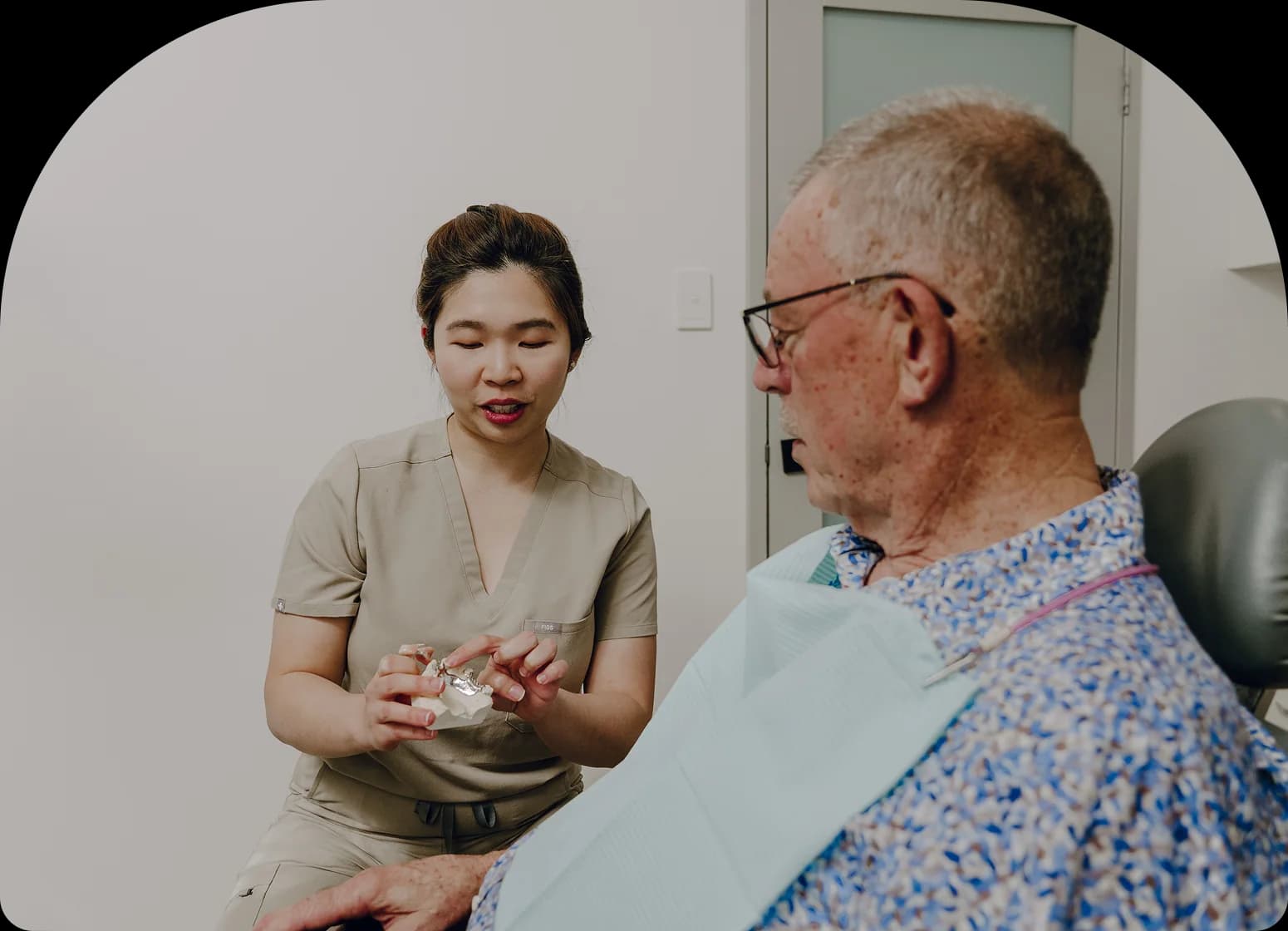
With support tailored to your needs, including suitability, comfort, next steps, and clear guidance after assessment.
Second-opinion page supports informed consent and realistic treatment comparison.
Appointments are planned after your clinician checks your teeth, gums, medical history, comfort needs, alternatives, risks, and fees.
Preparation
Bring your current quote, scans, and questions
Useful records include the written quote, item numbers, x-rays, photos, scans, referral letters, treatment plans, and your own questions about cost, timing, risks, or maintenance.
If you do not have every record, bring what you can. The dentist can explain what can be reviewed from the information available and what still needs assessment.
The quote
Bring item numbers, inclusions, deposits, staged fees, and anything that is listed as optional or excluded.
The records
Recent x-rays, scans, photos, periodontal charts, aligner records, implant records, or referral letters can help with context.
Your questions
Write down what feels unclear, too fast, too expensive, too complex, or different from advice you have heard before.
Your priorities
Share what matters most: saving a tooth, comfort, chewing, appearance, fewer visits, staging, or understanding long-term maintenance.
Review scope
A second opinion reviews both the plan and your current findings
Your dentist reviews what was proposed, then assesses your current oral health so the discussion is grounded in your own teeth, gums, bite, health history, and records.
The review may confirm the original plan, suggest questions to ask the first provider, or identify other reasonable options. Some answers may depend on updated imaging or further diagnosis.
Diagnosis
What problem is the plan trying to solve, and is the diagnosis clear from the information available?
Suitability
Does the option appear suitable after assessment, and are there health, bite, gum, tooth, or maintenance factors to consider?
Alternatives
Are there other reasonable choices, including monitoring, repair, replacement, staging, or referral for a specific part of care?
Fees and inclusions
What does the quote include, what may be separate, and what variables could change the final cost?
Decision support
You can take time before deciding
The goal is a clearer decision, not pressure to proceed on the day. You should leave with a better sense of what is known, what is still uncertain, and what questions remain.
For complex care, it may be useful to separate immediate concerns from elective or longer-term decisions, then compare plans again once each option is written clearly.
Written comparison
Ask for notes that help you compare diagnosis, stages, fees, alternatives, and maintenance rather than relying on memory.
Staged choices
Some plans can begin with stabilising disease or symptoms before larger restorative, cosmetic, aligner, or implant decisions.
Questions for the first provider
A second opinion may help you return to the original dentist with clearer questions rather than switching care immediately.
No same-day pressure
Unless urgent care is needed, it is reasonable to take time to read the plan and discuss it with someone you trust.
Limitations
A second opinion still needs clinical context
A second opinion cannot safely promise that another plan is wrong or that a cheaper option will be suitable without examining you and reviewing the available evidence.
The most useful outcome is clarity: what the dentist can reasonably assess now, what remains uncertain, and which next step would give you better information.
Perth local
A local option for plan review for Shelley and Parkwood
Patients across Perth often seek second opinions when they want clearer information before committing to expensive, complex, staged, or emotionally difficult dental care.
Common reasons
Different quotes, unclear item numbers, timing concerns, anxiety about treatment, or wanting another explanation of risks.
Practical step
Call ahead and ask what records to send before your appointment so the review is not based on guesswork.
Cost context
If the fee gap is large, ask what each quote includes, what is staged, and what may be charged separately.
Clinic location
Shop 6 / 15 Tribute Street West, Shelley
Local continuity
If you continue care locally, reviews, maintenance, and staged appointments may be easier to coordinate.
FAQs
Second opinion FAQs
General guidance for comparing treatment plans, quotes, risks, alternatives, and next steps.
General information only. Final recommendations require your own clinical examination and history.
Can I bring another clinic's quote?
Yes. Bring the written quote, item numbers, inclusions, staged fees, imaging, and any written plan. A useful comparison checks what each quote includes, what remains uncertain, and which options are reasonable after your own assessment.
Will you criticise my current dentist?
The focus is understanding your options, not criticising another clinician. A second opinion should explain findings, risks, alternatives, fees, and consent questions in a way that helps you make an informed decision.
Can second opinions include implant, crown, aligner, or cosmetic plans?
Yes. More complex plans can be reviewed with attention to diagnosis, suitability, alternatives, sequence, maintenance, and fees. Some questions may need updated records or further assessment before advice is reliable.
Do I need new x-rays?
Sometimes. Existing records are reviewed first. New imaging should be discussed only if it is clinically useful for diagnosis, safety, or treatment planning, and you can ask why it is needed before proceeding.
What if one quote is much cheaper or more expensive?
Ask whether the quotes include the same diagnosis, stages, materials, item numbers, imaging, sedation or comfort planning, maintenance, and possible future repairs. A lower or higher fee is hard to judge without comparing inclusions.
Sources for this answerHealthdirect: Cost of dental care