
Coffee, tea, smoking, natural enamel shade, internal discolouration, gum recession, cracks, pregnancy or breastfeeding considerations, and visible crowns, veneers, fillings, or bonding can all change the recommendation.
Cosmetic dentistry for Shelley and Parkwood
Teeth Whitening Perth, start with suitability before shade
If your teeth look dull in photos, make you look more tired than you feel, or have disappointed you after whitening before, the first question is not how white they can go. It is what is causing the shade concern, whether whitening is suitable, and how sensitivity, timing, fees, and old dental work may affect the sequence.
With support tailored to your needs, including suitability, comfort, next steps, and clear guidance after assessment.
Whitening guidance is reviewed for suitability, sensitivity, alternatives, risks, limitations, and maintenance language.
Suitability, risks, alternatives, timing, maintenance, and fees are discussed after assessment.
FIRST MINUTE
What to know before whitening
If you only read one section, start here. Whitening can be a sensible conversation for some patients, but the useful first question is whether your colour concern, tooth health, sensitivity history, restorations, and timing make it appropriate now.
Shade is only one part of the story
A dull smile can come from surface stain, natural enamel shade, a single darker tooth, dehydration in photos, or old dental work that no longer blends.
Suitability comes before the system
Sensitivity history, gum health, cracks, exposed root surfaces, decay risk, and visible restorations all influence whether whitening should start, pause, or wait.
The fee needs written context
The published guide starts at from $250, but the written plan should explain the whitening system, inclusions, review needs, and any related dental work before treatment proceeds.
DECISION GUIDE
Three decisions before whitening
Most patients do not need every detail at once. These three questions usually make the whitening conversation clearer without turning the page into a wall of cosmetic detail.
01
Is whitening likely to help my concern?
We separate surface stain, natural enamel shade, a single dark tooth, restoration mismatch, and tooth-shape concerns before talking products or appointment timing.
See the detailed FAQs02
Is now the right time to do it?
Sensitivity history, gum health, pregnancy or breastfeeding, and event timing can all change whether whitening starts now, needs modification, or should wait.
Review suitability03
What should the written plan include?
A useful plan should explain likely limits, fee inclusions, instructions, review needs, and what the next step becomes if whitening is not the right pathway.
Understand cost guidanceDecision Support
What are you hoping whitening will change?
You do not need to diagnose the colour concern yourself. Start with the thing you keep noticing; the appointment can separate shade, surface stain, restorations, tooth shape, sensitivity, and timing.

Dull in photos
You may notice it most in selfies, work photos, wedding photos, or bathroom lighting and wonder whether other people see the same thing.
Teeth can look different in photos, bathroom light, work lighting, and daylight. Whitening may help suitable natural teeth, but the first step is checking what is actually causing the dullness.
This may be lighting, surface stain, natural enamel shade, or old dental work.
We would check stain type, tooth health, restorations, and whether whitening is likely to help.
- A hygiene clean, whitening, bonding, veneer planning, or replacing old restorations can all be different answers to a shade concern.
- A useful consultation separates a genuine shade issue from lighting, dehydration, surface stain, or mismatched dental work.
Assessment
What we assess before whitening
A whitening recommendation should be based on findings. These checks help decide whether whitening is suitable now, whether another option is more appropriate, or whether oral health needs attention first.
Gum health and decay
Inflamed gums, untreated decay, cracks, or leaking fillings can change whether whitening should begin.
Why this matters
Whitening material can irritate already sensitive areas, so oral health concerns may need treatment or stabilisation before whitening is discussed.
Restorations and shade matching
Crowns, veneers, bonding, and fillings do not lighten like natural teeth.
Why this matters
We identify which teeth are natural and which are restored so whitening does not make a mismatch more obvious without a plan.
Sensitivity history
Previous whitening sensitivity, exposed root surfaces, recession, cracks, and enamel wear affect comfort planning.
Why this matters
The plan may include modified timing, desensitising advice, a staged approach, or pausing if symptoms develop.
Stain type
Surface stains, age-related shade change, internal discolouration, and single-tooth colour changes need different conversations.
Why this matters
A darker single tooth, trauma history, or internal colour change may need diagnosis before general whitening is considered.
Pregnancy or breastfeeding
Whitening is generally not recommended during pregnancy or breastfeeding, so timing is discussed carefully.
Why this matters
If whitening is not appropriate now, we can discuss hygiene care, shade monitoring, and when to revisit the conversation.
Timing and expectations
Events, photos, and old dental work can influence the sequence, but shade change cannot be promised before assessment.
Why this matters
A written plan should explain timing, possible sensitivity, what may not change, and what maintenance could be needed.
Process
A simple whitening process
The exact sequence varies by patient, but the main steps should still be easy to understand before any finer cosmetic detail is added.
Fee clarity
Teeth whitening fees start from $250
The current practice fee guide lists teeth whitening from $250 and consultations from $70. Your final fee should be confirmed in a written plan before treatment begins.
Current published starting fee for teeth whitening. Exact inclusions and appointment details are confirmed in the written plan.
Useful when you want advice, a suitability discussion, or a clearer next step before committing to a whitening plan.
Your final fee is confirmed after assessment and should explain inclusions, appointments, limitations, and any related dental work.
Guide only, not a personal quote. The final fee depends on suitability, oral health, sensitivity risk, the whitening system and inclusions, review needs, existing restorations, and any related dental work discussed in the written plan.
For the broader practice pricing guide, appointment fees, and payment planning information, use the fees page. Read about fees and payment options.
Team and trust
Planned by a dental team that can say slow down
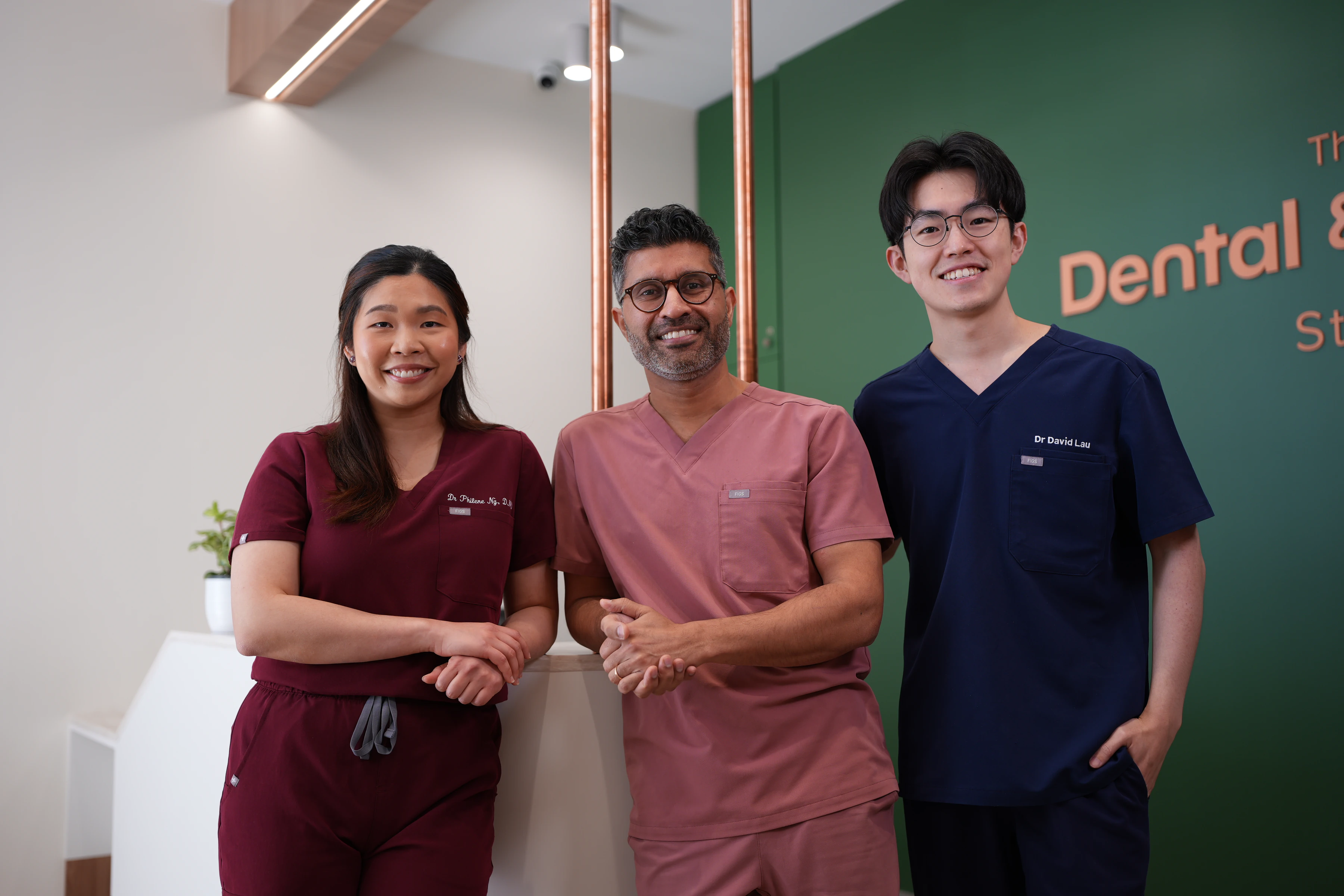
Whitening belongs inside a broader dental assessment, especially if you have been disappointed by whitening before, worry about sensitivity, or can see old dental work near the front teeth. This page is clinically reviewed by Dr. David Lau, and the appointment conversation can include oral health, stain type, alternatives, maintenance, and written fee planning before a cosmetic recommendation is made.
Clinical review by Dr. David LauServing Shelley and Parkwood across Perth southern suburbsWritten whitening plan and fee discussion
Questions
Teeth whitening questions
Use these answers if you are comparing the $250 starting fee with the bigger question: will whitening actually suit my teeth, my sensitivity history, my existing dental work, and my timing?
Whitening is not suitable for everyone. A responsible plan should include oral health checks, sensitivity planning, alternatives, limitations, fees, and time to consider the written recommendation.
Is teeth whitening suitable for everyone?
No. Teeth whitening is not automatically suitable, even when the main concern is simply a dull or yellow shade. It may be considered when the natural teeth and gums are healthy enough, the colour concern is likely to respond, and the patient understands the risks, alternatives, maintenance needs, and limits before starting.
What we check first
- Gum inflammation, untreated decay, cracks, leaking fillings, enamel wear, and exposed root surfaces can change whether whitening should begin.
- Sensitivity history matters because whitening can cause temporary sensitivity, and some patients need a modified plan or treatment of triggers first.
- Visible crowns, veneers, bonding, and fillings are identified because these materials usually do not lighten like natural tooth structure.
When whitening may need to wait
- If oral health needs stabilising, the first step may be hygiene care, restoration repair, monitoring, or diagnosis of a darker single tooth.
- Pregnancy or breastfeeding can change timing recommendations, so whitening may be postponed and reviewed later.
- If the concern is tooth shape, chips, old restorations, or uneven edges, whitening alone may not address the problem.
What a useful plan should explain
- Which teeth are suitable to whiten and which restorations will not change shade.
- What sensitivity plan applies, when to pause, and who to contact if symptoms develop.
- What fee is being quoted, what is included, and what alternatives were considered.
Will teeth whitening make sensitive teeth worse?
Whitening can cause temporary sensitivity, and a previous sensitivity history deserves a careful conversation before treatment starts. The aim is not to promise comfort, but to understand the likely triggers, reduce avoidable irritation, and give clear instructions about when to slow down, pause, or seek advice.
What we would check first
- Gum recession or exposed root surfaces.
- Cracks, decay, leaking restorations, or enamel wear.
- Previous whitening sensitivity and current triggers.
How the plan may be modified
- The whitening schedule may be staged rather than rushed.
- Wear time, product choice, review timing, and desensitising advice may be adjusted where suitable.
- If symptoms suggest another dental problem, whitening may need to wait until that issue is assessed.
When to pause
A responsible plan should tell you what level of sensitivity is expected, what is not expected, and when to stop whitening until the studio has reviewed your symptoms.
Will whitening lighten crowns, veneers, fillings, or bonding?
Usually no. Whitening is designed for suitable natural tooth structure, not for porcelain, ceramic, composite, or other restorative materials. That means crowns, veneers, bonding, and fillings need to be identified before whitening, especially if they sit near the front teeth or already look different from the surrounding shade.
Why sequencing matters
If visible restorations already match your current shade, whitening nearby natural teeth can make the restorations look darker or more noticeable.
What may need separate planning
- Replacing an old front filling after the final natural tooth shade settles.
- Planning bonding, veneers, or crowns after whitening if those restorations need to match the new baseline.
- Choosing monitoring instead of whitening if the restoration mismatch is likely to become more obvious.
What to ask
Ask which teeth are natural, which are restored, and whether any existing dental work may need repair, replacement, or shade matching after whitening.
Why choose professional teeth whitening instead of store whitening?
Professional whitening starts with a dental assessment rather than a product purchase. That matters because the colour concern may come from surface stain, internal discolouration, old restorations, decay, trauma history, or natural enamel shade, and each of those can need a different conversation before whitening is considered.
The clinical difference
A dental practitioner can assess whether whitening is appropriate, whether something needs treatment first, and what to do if sensitivity develops.
Why instructions matter
- Whitening material needs to be used as directed to reduce unnecessary gum irritation or sensitivity.
- Home use needs clear wear-time, storage, and pause instructions.
- Review guidance helps patients avoid continuing when symptoms or mismatch concerns should be checked.
Why it may still not be the answer
Professional advice can also mean being told that whitening is not the right thing to start with, especially if the issue is tooth shape, restoration shade, gum health, or a single dark tooth.
Is in-chair or take-home whitening better?
Neither option is automatically better. In-chair and take-home whitening can suit different circumstances, but the right choice depends on oral health, sensitivity history, timing, shade expectations, whether trays or review are needed, and what system the clinic recommends after assessment.
Decision factors
- How quickly you need the appointment sequence to fit your calendar.
- Whether you can follow home instructions carefully.
- How your sensitivity risk should be managed.
Why a staged plan may be discussed
Some patients need hygiene care, sensitivity management, or restoration review before any whitening option is chosen. Others may need a review visit before deciding whether maintenance is appropriate.
What not to expect
A treatment type should not be presented as a fixed shade promise. The recommendation should explain likely limits, what can change, and what cannot be confirmed before treatment begins.
How soon before a wedding or event should I ask about teeth whitening?
Ask earlier than you think, especially if your teeth are sensitive, visible restorations need matching, or you are not sure whether the concern is stain, enamel shade, or a darker single tooth. A rushed cosmetic decision leaves less room for assessment, review, and a calmer backup plan if whitening is not the most suitable option.
Why earlier is safer
- Assessment may show that the concern is surface stain, old dental work, internal discolouration, or another issue that needs a different conversation first.
- Sensitive teeth, gum irritation, or unexpected colour variation are easier to manage when there is time to slow down or review.
- If restorations need replacing or matching afterwards, the sequence can take longer than one whitening appointment.
What to clarify at the consultation
- Whether whitening is suitable now or whether oral health or hygiene care should happen first.
- What timing the team would usually allow for whitening, review, and any restoration matching.
- What fallback option makes sense if whitening is not likely to deliver the change you want in time.
What not to expect
A cosmetic deadline should not turn into a fixed shade promise. The written plan still needs to explain likely limits, review needs, and whether the timeline is realistic for your teeth.
What is the difference between surface stain and internal discolouration?
Surface stain is on the outside of the tooth and may be linked with plaque, calculus, coffee, tea, smoking, or other staining habits. Internal discolouration sits within the tooth structure, so it may respond differently and can sometimes point to a history that needs diagnosis before general whitening is considered.
Why this matters
A darker single tooth, trauma history, old root canal treatment, or deep colour change should be assessed before general whitening is planned.
What a hygiene clean can clarify
Removing surface deposits can make it easier to judge the true tooth shade and decide whether whitening, monitoring, or another option is worth discussing.
When another pathway may be better
- A single dark tooth may need investigation before any cosmetic plan.
- Old restorations may need replacement rather than whitening.
- Internal shade concerns may need a different whitening method or a restorative discussion.
Should I whiten before veneers, bonding, or crowns?
Whitening may be discussed before new bonding, veneers, or crowns when natural tooth shade will be used as the baseline for matching. The sequence depends on suitability, the number of visible teeth involved, how old restorations look, and whether whitening is actually needed before restorative treatment.
Why the sequence matters
- Once new restorations are matched, they cannot simply be whitened later.
- If natural teeth are whitened after restorations are placed, the restorations may no longer blend as intended.
- Final shade selection is usually more useful after the natural tooth shade has settled.
When whitening may not be first
If there is decay, failing dental work, gum inflammation, or a tooth-shape concern, stabilising health or planning the restoration may be the priority.
What to ask
Ask which teeth are being matched, when the final shade will be chosen, and whether whitening changes the timing, fee, or maintenance plan.
How long does teeth whitening last?
Whitening longevity varies from person to person, so it should not be explained as a fixed timeframe or lasting shade promise. Diet, smoking, oral hygiene, natural enamel characteristics, staining habits, starting shade, and whether a maintenance plan is suitable can all influence how long the shade looks settled.
Maintenance can include
- Regular dental cleans and oral hygiene review.
- Stain-contributor advice, including smoking and frequent dark drinks.
- A future maintenance plan where suitable.
Why relapse can happen
Natural teeth continue to age and can pick up new surface stain over time. Whitening can also appear less noticeable if habits that contributed to staining continue.
What to clarify before starting
Ask what review is included, what maintenance might involve, and whether there are diet, smoking, or hygiene factors that could affect the shade over time.
Can I whiten my teeth while pregnant or breastfeeding?
Teeth whitening is generally not recommended during pregnancy or breastfeeding, so timing should be discussed carefully rather than rushed for an event or photo deadline. If tooth colour is bothering you during this period, the conversation can focus on oral health, hygiene care, stain removal where appropriate, and when whitening could be reconsidered.
What can still be useful
- A dental check can identify whether the concern is surface stain, old dental work, or something that needs diagnosis.
- Hygiene care may improve surface stain and help establish a clearer baseline.
- The team can document shade concerns so the whitening discussion is easier to revisit later.
Why timing matters
Pregnancy and breastfeeding are times when elective cosmetic treatment is usually approached conservatively. A delayed plan can still include future options, fees, and maintenance once timing is suitable.
What to ask
Ask what can safely be assessed now, what should wait, and when it would be reasonable to revisit whitening after pregnancy or breastfeeding.
Is teeth whitening safe?
Teeth whitening can be safe for suitable patients when it is planned carefully, but it still has risks and should not be treated as a casual cosmetic shortcut. Possible issues include sensitivity, gum irritation, soft-tissue irritation, uneven shade expectations, and disappointment if unsuitable teeth or restorations are treated without assessment.
A safer conversation includes
- An oral health check before whitening.
- Clear instructions on use and when to pause.
- Discussion of risks, limitations, alternatives, and fees.
What should be checked
- Decay, cracks, gum inflammation, exposed root surfaces, and leaking restorations.
- Existing crowns, veneers, fillings, bonding, and any single darker tooth.
- Sensitivity history, pregnancy or breastfeeding timing, and whether shade expectations are realistic.
AHPRA-safe expectations
Whitening information should avoid fixed shade promises or pressure. A written plan should make room for risks, limits, alternatives, and time to decide.
How much does teeth whitening cost in Perth?
At The Dental & Implant Studio, the current practice fee guide lists teeth whitening from $250 and consultations from $70. The final fee should still be confirmed in a written plan because the appointment type, inclusions, whitening system, review needs, and any related dental work can change what is appropriate.
A useful written plan should show
- What type of whitening is being discussed and why.
- What appointments, trays, review, or instructions are included.
- What may be separate, such as hygiene care, bonding, fillings, crowns, or veneers.
What can change the conversation
- Whether a consultation is needed before treatment is booked.
- Whether hygiene care or restoration review is recommended before shade selection.
- Whether whitening is part of a broader bonding, veneer, crown, or filling sequence.
Where to compare fees
Use the practice fees page for the broader pricing guide, appointment fees, payment planning context, and the way written plans are discussed.
SourcesAhpra: Advertising hub
What if whitening disappointed me before?
A previous whitening disappointment is worth discussing rather than ignoring. The reason may have been stain type, product fit, sensitivity interruptions, old restorations, unrealistic timing, expecting whitening to change tooth shape, or a shade concern that needed a different diagnosis.
What to bring up
- What product or protocol you used.
- Whether sensitivity made you stop early.
- Which teeth still bothered you afterwards.
What we would try to understand
- Whether the concern was surface stain, internal colour, old dental work, or uneven tooth shape.
- Whether sensitivity stopped the plan before it had time to be reviewed.
- Whether the expected shade change was realistic for your teeth.
Possible next steps
The next step may be a hygiene clean, professional whitening discussion, shade monitoring, bonding, veneers, replacing old restorations, or deciding that no treatment is the sensible option.
Can whitening fix uneven tooth shape or chips?
No. Whitening is a shade treatment for suitable natural tooth structure; it does not repair chips, lengthen worn edges, close spaces, smooth uneven contours, or replace ageing restorations. If shape is part of what bothers you, whitening may only be one part of the discussion or may not be the right first step.
What whitening can address
Whitening may help when the main issue is tooth shade on suitable natural teeth and the patient understands the likely limits.
What may need another option
- Small chips or worn edges may need bonding, smoothing, monitoring, or restorative care.
- Old fillings, crowns, veneers, or bonding may need repair or replacement if they are the visible issue.
- Broader shape, alignment, or wear concerns may require a separate cosmetic or restorative plan.
Why conservative sequencing matters
Sometimes the simplest plan is to establish oral health, review shade, and only then decide whether whitening, bonding, veneers, or no treatment is appropriate.
What should I ask before agreeing to teeth whitening?
Before agreeing to whitening, ask questions that help you understand diagnosis, suitability, risks, alternatives, fees, and maintenance. A useful consultation should leave you clearer about whether whitening is a reasonable option for you, not just which product or appointment type is available.
Suitability questions
- What is causing the colour concern: surface stain, internal shade, old dental work, or something else?
- Are my teeth and gums healthy enough to whiten now?
- What sensitivity risks apply to me, and what should I do if symptoms start?
Restoration and sequencing questions
- Which crowns, veneers, fillings, or bonding will not change shade?
- Should whitening happen before bonding, veneers, crowns, or fillings are matched?
- Would hygiene care, monitoring, restoration replacement, or no treatment be a better first step?
Fee and aftercare questions
- What is included in the quoted fee and what could be separate?
- Will I receive written instructions and a written plan?
- What maintenance, review, or relapse/staining guidance should I expect?