Call first if the concern feels dental and you are otherwise stable
Tell us what changed, when it started, and whether swelling, bleeding, trauma, or a knocked tooth is involved. You do not need to know the treatment name before you call.
Call nowWhen a tooth suddenly hurts, cracks, or starts swelling, the hardest part is often knowing whether to call a dentist, go to hospital, or wait. Call our studio for urgent dental guidance if you are in Shelley, Parkwood, or a nearby suburb, or request the next available appointment online if there are no medical red flags.
Same-day appointments may be available depending on timing, symptoms, and clinical capacity. Red-flag symptoms may need urgent medical care first.
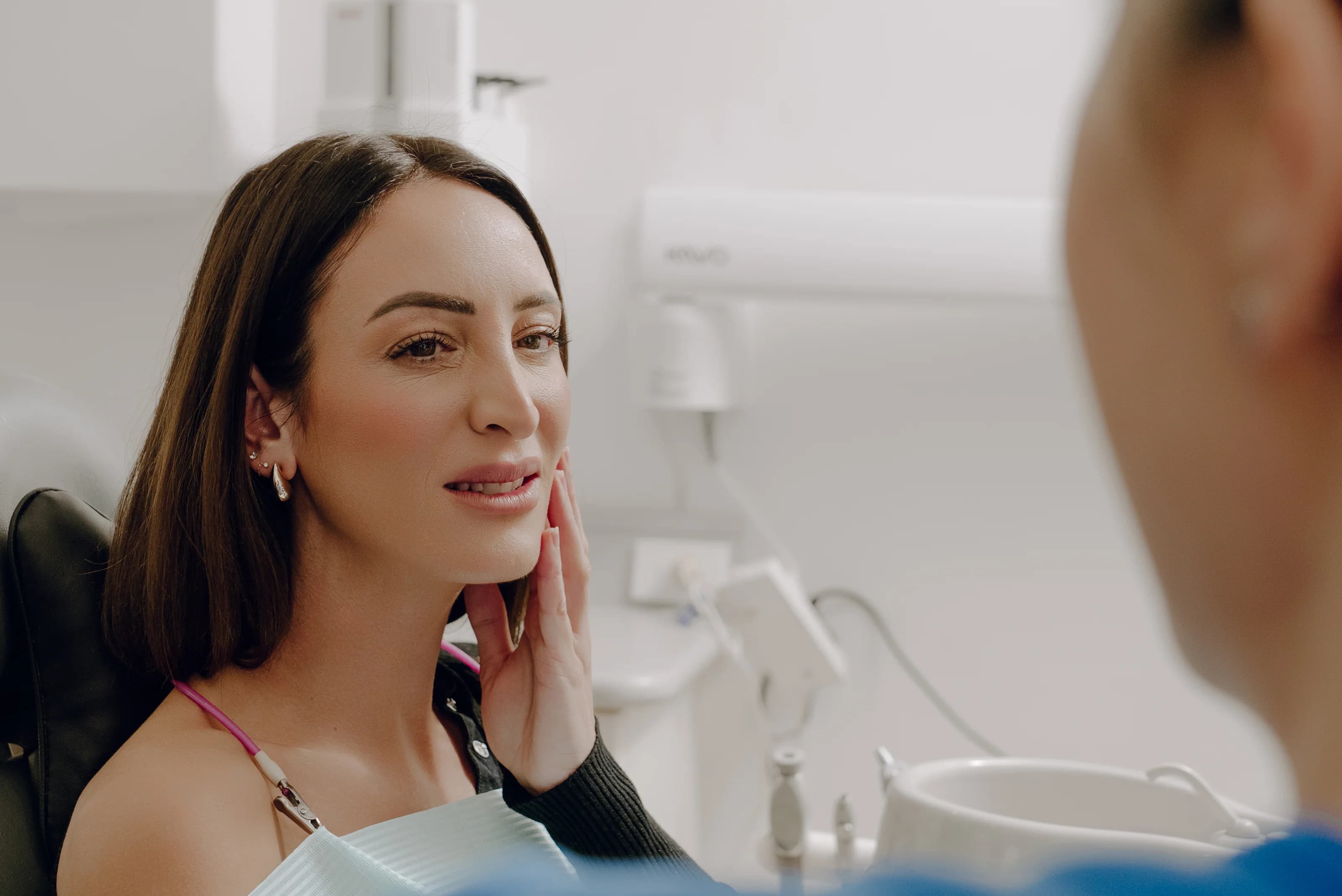
Seek urgent medical care now if there is trouble breathing, talking, or swallowing, heavy bleeding, a very swollen mouth or tongue, fever with facial swelling, or if the person seems seriously unwell.
If an adult tooth has been knocked out, seek urgent dental or hospital care quickly. If it is safe, hold the tooth by the crown, avoid touching the root, and keep it moist in milk or saliva.
Urgent dental care works best when the first few minutes give you a clearer path instead of more noise. These are the three most useful starting points for a sudden dental change affecting Shelley and Parkwood patients.
Tell us what changed, when it started, and whether swelling, bleeding, trauma, or a knocked tooth is involved. You do not need to know the treatment name before you call.
Call nowIf there are no medical red flags, the online pathway can help you request the next available time while keeping the concern visible to the team.
Book NowSome urgent visits are advice, assessment, or stabilisation first. Costs, risks, alternatives, and the next stage should become clearer once the tooth and urgency are properly assessed.
See fee guideThese cards are not diagnoses. They are a practical way to describe what is happening when you call for urgent dental care from Shelley, Parkwood, or a nearby Perth suburb.
Deep, throbbing, sharp, or worsening tooth pain can come from several causes, including decay, cracks, gum infection, trauma, or bite pressure.
Call for advice, especially if pain is worsening, keeping you awake, or comes with swelling, fever, or feeling unwell.
A broken tooth may feel sharp, sensitive, loose, or painful when biting. Even a smaller break can need assessment if the tooth is exposed or sore.
Avoid chewing on that side where possible, keep any fragment safe, and call so the team can guide the next step.
Facial swelling, gum swelling, a bad taste, pus, fever, or feeling generally unwell can need prompt assessment and may need medical care if severe.
Seek urgent medical care for trouble breathing, talking, or swallowing, or if swelling is spreading quickly.
A knocked, loosened, or displaced adult tooth needs urgent advice. Timing and how the tooth is handled can affect what options are possible.
If safe, hold a knocked adult tooth by the crown, keep it moist in milk or saliva, and seek urgent dental or hospital care quickly.
The Dental & Implant Studio is based in Shelley, with local patients commonly visiting from Shelley, Parkwood, Willetton, Rossmoyne, Canning Vale, Riverton, and Cannington.
Convenient for Shelley and Parkwood patients, with visitors also coming from nearby Perth suburbs for urgent dental assessment and follow-up planning.
If you are unsure whether to travel or call first, ring the studio so the team can help decide whether the safest next step is urgent dental care, the next available appointment, or medical care.
The first goal is to work out what changed, how urgent it really is, and what today should be for before anyone promises a bigger plan.
Tell us where it hurts, whether swelling or trauma is involved, what has made the situation feel urgent, and whether there are any medical red flags.
The dentist checks the tooth, surrounding tissues, and any signs that the visit needs to focus on diagnosis, stabilisation, or another pathway first.
That may be advice, urgent treatment where appropriate, temporary protection, extraction discussion, root canal planning, or a written plan for the next stage.
An urgent visit may relieve symptoms, protect the tooth, start care, or make the next stage clearer. The right follow-up depends on the diagnosis, tooth strength, infection risk, gum health, bite, and what the dentist sees on the day.
There is not one flat emergency fee because some visits are advice and assessment only, while others include x-rays, stabilisation, fillings, extraction discussion, root canal planning, or crown planning.
The practice fee guide lists consultations from $70 and examinations from $70. If treatment or stabilisation is needed on the day, those items may be separate where clinically required.
Useful when you need advice, a second opinion, or a clearer next step before treatment begins.
A clinical examination helps identify what needs attention before treatment fees are discussed.
X-rays, dressings, fillings, extraction, root canal stages, or crowns may all sit outside the starting appointment when clinically required.
Guide only, not a personal quote. Your final fee should be confirmed after assessment, diagnosis, any records or x-rays that are needed, urgency, the treatment required, and a written estimate before treatment begins.
A local team of dentists and an oral health therapist focused on practical guidance, steady communication, and continuity from the first appointment through review and maintenance, without over-weighting any one clinician.
Principal Dentist, DEN0001372159
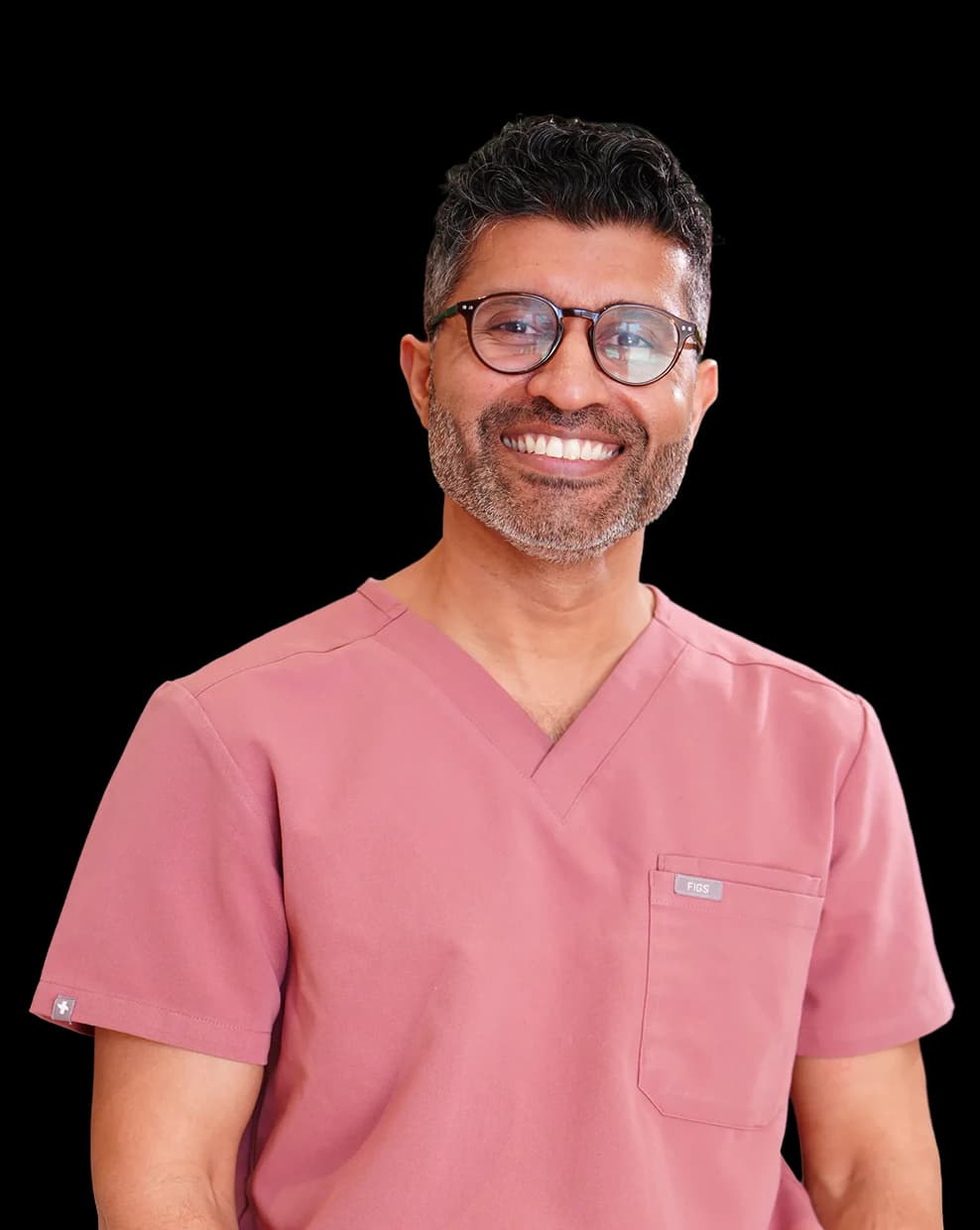
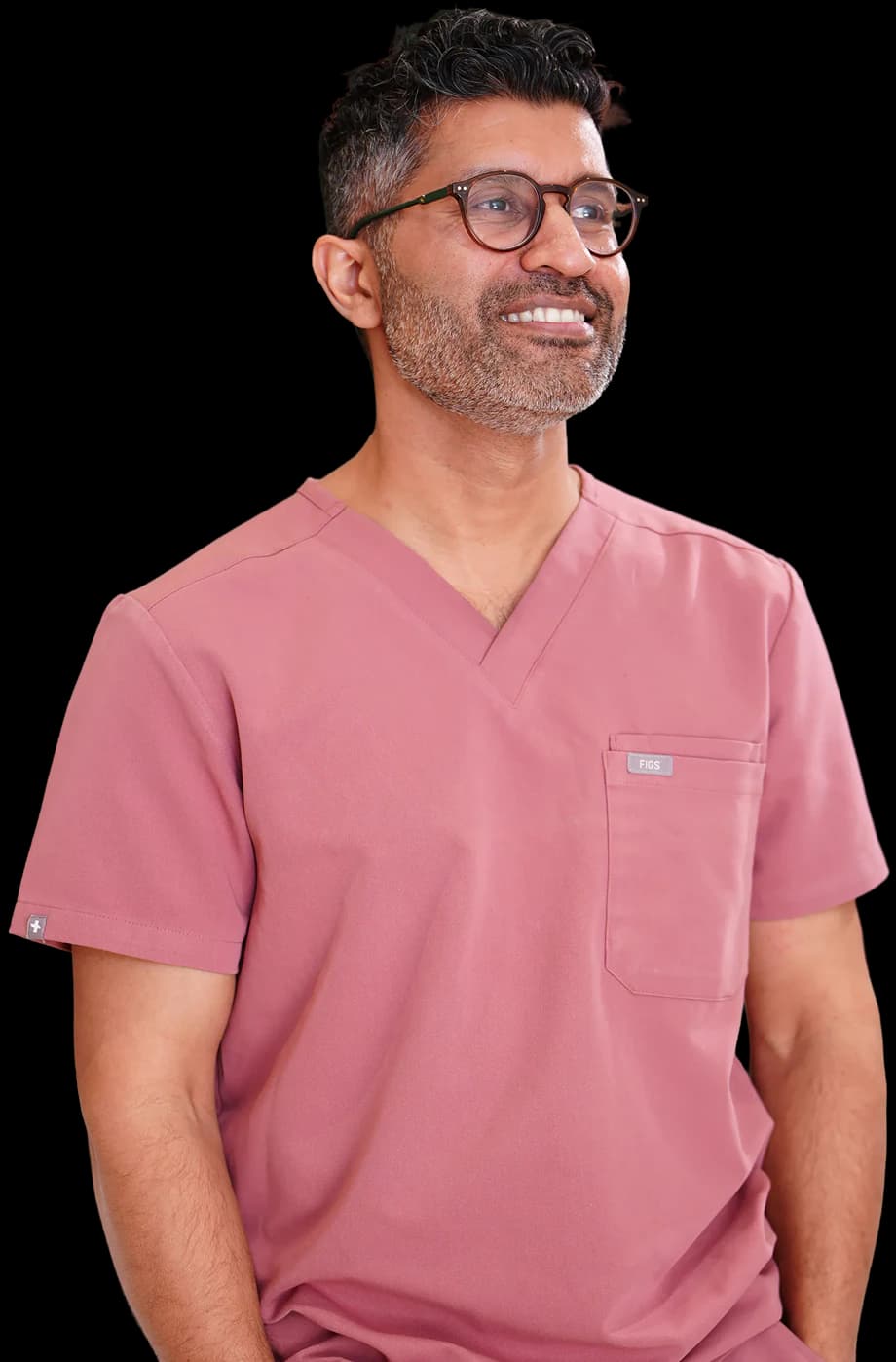
Dr. Meheransh Chopra
Dr. Chopra graduated from the University of Western Australia and focuses on helping patients understand their dental health before making decisions. His consultations place emphasis on education, careful assessment, and treatment planning that is explained in practical language.
At the studio, Dr. Chopra is closely involved in implant and restorative conversations, including suitability, function, aesthetics, maintenance, and the sequence of care. Outside dentistry, he enjoys motorsports, football, and music, and is Vice President of the WA Dental Alumni Association.
Dentist, DEN0002459496
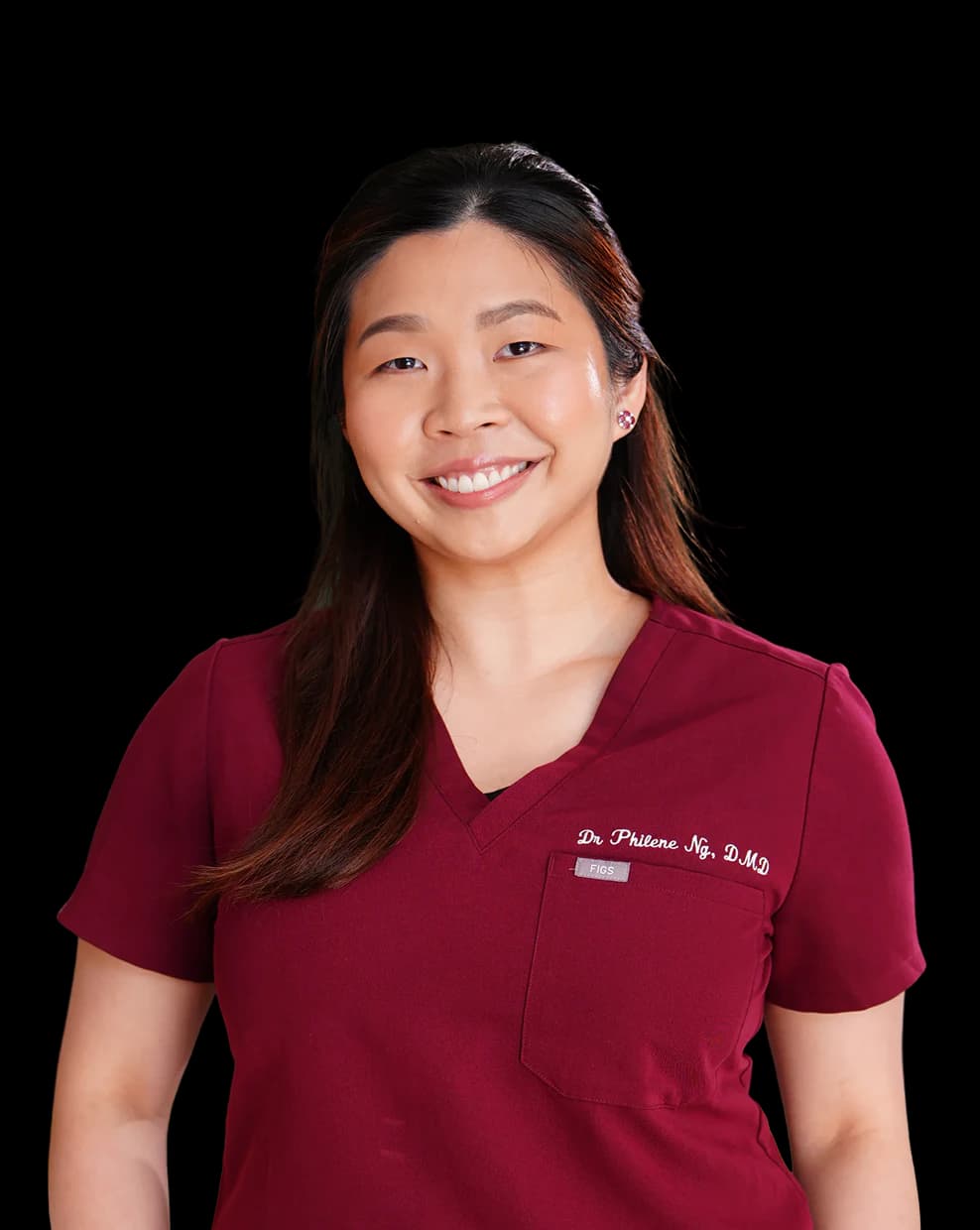
Dr. Philene Ng
Dr. Philene Ng completed a Doctor of Dental Medicine at the University of Western Australia in 2020. She has a strong interest in restorative and preventative dentistry, with appointments shaped around communication and patient education.
Her approach supports patients who want to understand what is happening with their teeth and what options may be appropriate. Outside work, Dr. Ng enjoys the gym, cooking, baking, and planning travel, bringing a calm and balanced presence to the team.
Dentist, DEN0002677043
Dr. David Lau
Dr. David Lau graduated from the University of Adelaide in 2022 and offers a broad range of dental treatments. He values patient-centred care and takes particular interest in helping anxious patients feel more at ease during appointments.
His work supports the wider studio approach by making everyday dentistry feel understandable and approachable. Away from the clinic, Dr. Lau enjoys the outdoors, culinary adventures, family gatherings, and exploring new food experiences.
Oral Health Therapist
Lydia Lee
Lydia Lee graduated from Curtin University in 2017 as an Oral Health Therapist. She provides thorough cleans, periodontal maintenance, oral health education, and supportive care for children and adults.
Her work is especially important for patients considering or maintaining implants, because gum health and daily cleaning routines influence long-term oral health. Outside the studio, Lydia enjoys food spots, travelling, volunteering, outdoor activities, musicals, and concerts.
These FAQs cover the questions people often ask when tooth pain, swelling, a broken tooth, or an unexpected dental problem leaves them unsure what to do next.
Guide only, not a diagnosis, personal quote, or emergency department substitute when red-flag symptoms are present.
Go to hospital or call 000 for red-flag symptoms. Call a dentist for urgent dental guidance when the concern seems dental and you are otherwise stable.
Toothache, a broken tooth, a lost filling, wisdom tooth pain, or a localised dental swelling can often start with a dental call, unless the symptoms have crossed into the medical red flags above.