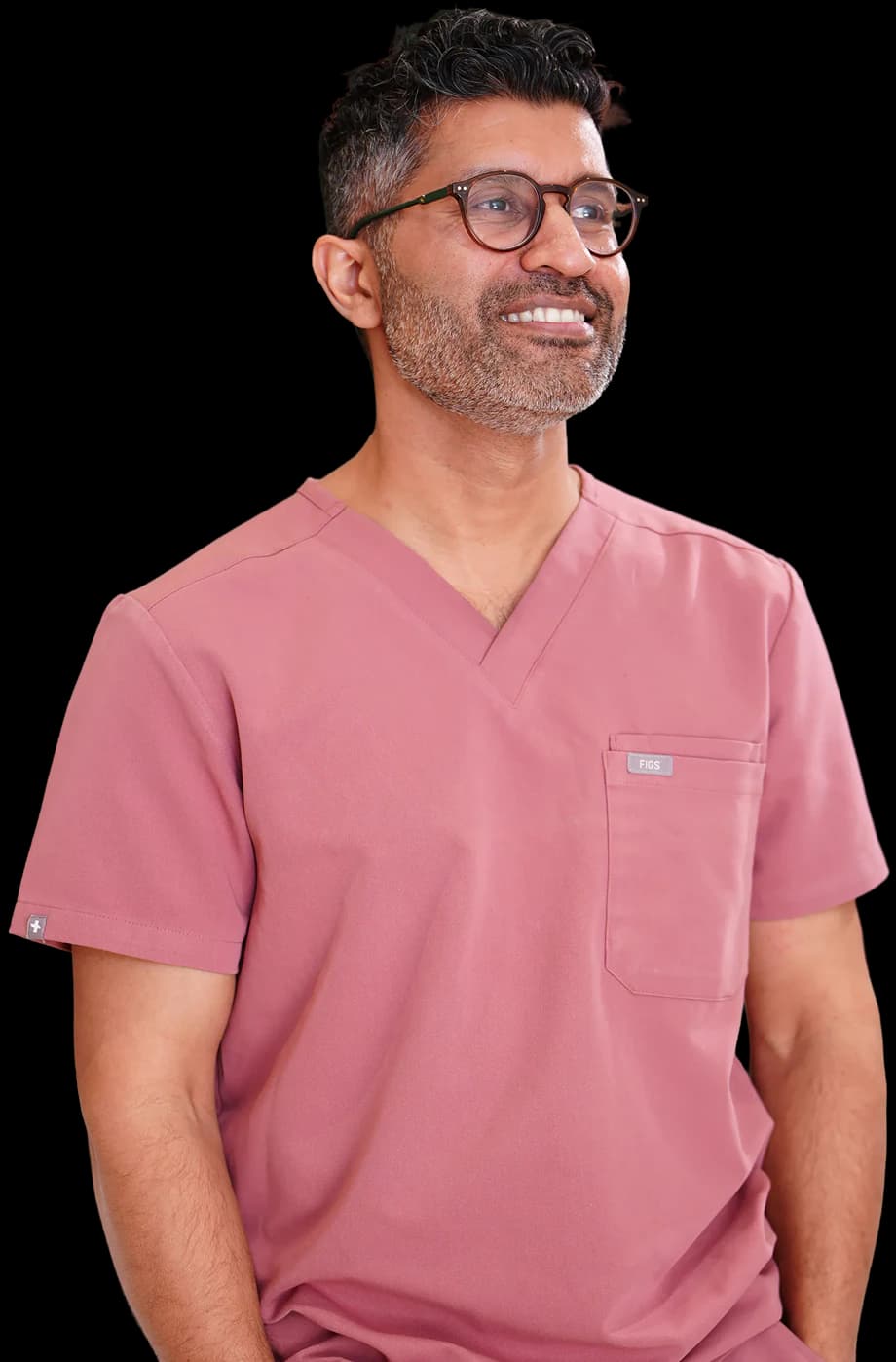

An implant denture is not just a denture with attachments. The design needs to fit your anatomy, what has been frustrating you, hand dexterity, hygiene routine, and review plan.
Implant dentures
Implant Dentures Perth, when loose dentures affect meals or conversation
If a denture moves when you eat, catches when you speak, creates sore spots, or makes you think twice before meals and conversations, it is worth checking why before assuming you need a fixed bridge. Implant dentures may be discussed when implants could help improve retention while keeping the denture removable for cleaning.
Subject to clinical assessment.
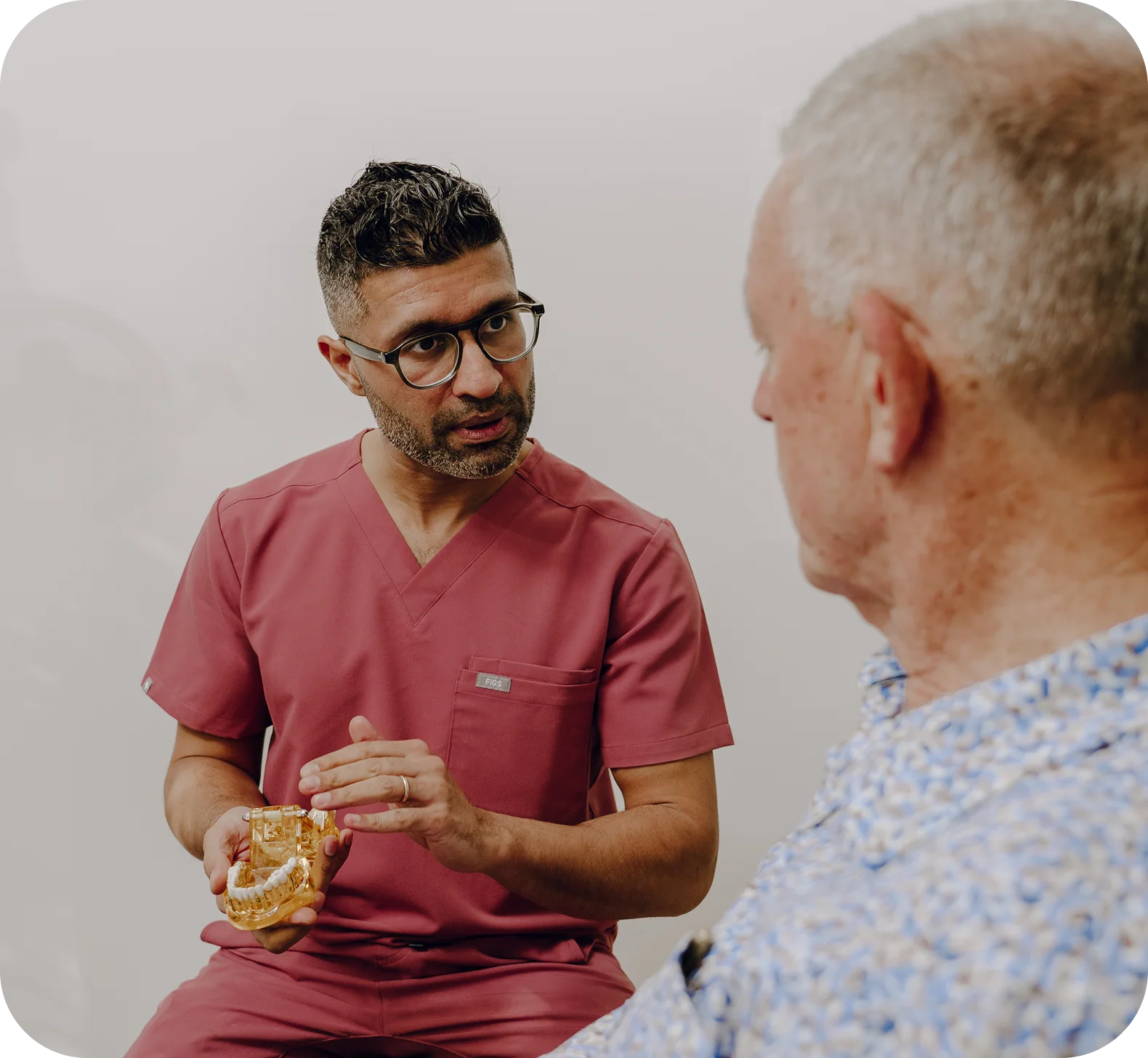
With support tailored to your needs, including suitability, comfort, next steps, and clear guidance after assessment.
Implant detail guidance is reviewed for suitability, alternatives, risks, staging, maintenance, and fee clarity.
Suitability, risks, alternatives, timing, maintenance, and fees are discussed after assessment.
Quick read
Is this the situation you are in?
Patients often ask about implant dentures when a current denture moves, adhesive is becoming a daily frustration, eating feels uncertain, or they want an option between a conventional denture and a fixed full-arch bridge.
Your denture moves when you eat or speak
Implants may be discussed if improved retention could reduce movement, provided the mouth and medical history are suitable.
You want a removable option
Some patients prefer a denture that can be removed for cleaning rather than a fixed full-arch bridge.
You are comparing full-arch pathways
Implant dentures, conventional dentures, and fixed bridges all involve different trade-offs around comfort, cost, hygiene, and maintenance.
Retention is only one part of the conversation. Your dentist also checks cleaning access, attachment wear, gum health, review needs, and whether a reline or remake should be considered first.
Assessment
Suitability is assessed carefully
The right denture plan depends on both biology and daily use. A denture can only work well if it is comfortable, stable enough, and manageable for your hands, habits, and home-care routine.
May be discussed when
- A loose or uncomfortable denture that needs more retention
- Preference for a removable pathway rather than a fixed bridge
- Suitable bone and gum support for implant placement
- Ability to remove, clean, and maintain the denture and attachments
Needs careful assessment when
- Bone support, gum health, and jaw relationship
- Hand dexterity, hygiene routine, and comfort with removing the denture
- Medical history, medicines, smoking, and healing factors
- Whether a conventional denture or fixed bridge may be more appropriate
Journey
What the implant denture journey can involve
The sequence usually includes denture assessment, imaging, implant planning, deciding whether the current denture can be modified, attachment design, fitting, adjustment, and ongoing review.
01Consultation
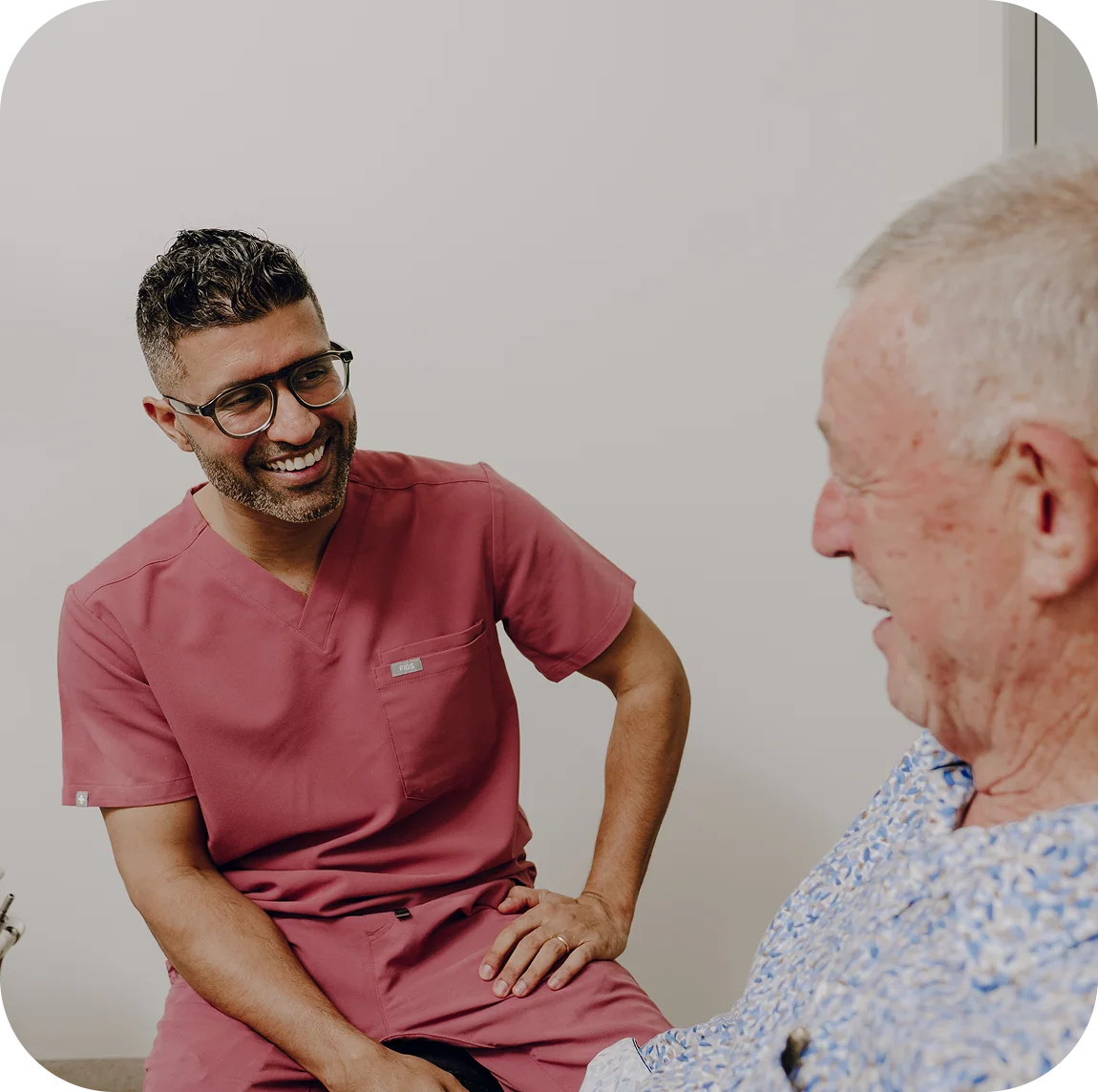
The first appointment is a planning conversation, not a commitment to surgery.
01
Consultation
We begin with what is missing, what is uncomfortable, and what you want the replacement to help with.
The first appointment is a planning conversation, not a commitment to surgery.02
Assessment and imaging
Your dentist checks the gums, bite, bone support, adjacent teeth, and medical history before recommending a pathway.
Imaging helps show whether the supporting anatomy is suitable now or whether another option should be compared.03
Treatment plan
The plan explains the restoration, staging, comfort approach, likely appointments, and maintenance expectations.
A clear plan should also explain alternatives and what could change after further findings.04
Placement and healing
If implant treatment proceeds, placement and healing are planned around your case rather than a fixed template.
The healing phase can vary, particularly when extra preparation or more complex restorative work is needed.05
Restoration and review
The crown, bridge, or denture is fitted, refined, and then reviewed as part of ongoing maintenance.
The finished restoration still needs home care, professional review, and a plan for long-term upkeep.Investment
What affects implant denture cost
The practice fees guide currently lists Consultations from $70, and published Perth examples for implant-retained dentures often sit around $10,400-$20,800+. Those figures are only helpful when the written plan separates implants, attachments, denture work, reviews, and future replacement parts.
Useful when you need advice, a second opinion, or a clearer next step before treatment begins.
Public Perth examples vary by jaw, implant number, attachment system, denture work, and review appointments.
The plan should separate implants, attachments, denture work, review visits, and replacement parts clearly.
Context only, not a personal quote. Implant denture fees depend on implant number, denture design, attachment system, imaging, maintenance, and whether an existing denture can be modified.
A single crown, a bridge, and a denture attachment all use different components and appointment sequences.
Imaging and oral health findings can change whether treatment is straightforward, staged, or better compared with alternatives.
The visible tooth, bridge, or denture design affects laboratory work, cleaning access, and future maintenance.
OUR TEAM
A Local Team That Explains The Plan
A local team of dentists and an oral health therapist focused on practical guidance, steady communication, and continuity from the first appointment through review and maintenance, without over-weighting any one clinician.
Principal Dentist, DEN0001372159
Dr. Meheransh Chopra
Dr. Chopra graduated from the University of Western Australia and focuses on helping patients understand their dental health before making decisions. His consultations place emphasis on education, careful assessment, and treatment planning that is explained in practical language.
At the studio, Dr. Chopra is closely involved in implant and restorative conversations, including suitability, function, aesthetics, maintenance, and the sequence of care. Outside dentistry, he enjoys motorsports, football, and music, and is Vice President of the WA Dental Alumni Association.
Dentist, DEN0002459496
Dr. Philene Ng
Dr. Philene Ng completed a Doctor of Dental Medicine at the University of Western Australia in 2020. She has a strong interest in restorative and preventative dentistry, with appointments shaped around communication and patient education.
Her approach supports patients who want to understand what is happening with their teeth and what options may be appropriate. Outside work, Dr. Ng enjoys the gym, cooking, baking, and planning travel, bringing a calm and balanced presence to the team.
Dentist, DEN0002677043
Dr. David Lau
Dr. David Lau graduated from the University of Adelaide in 2022 and offers a broad range of dental treatments. He values patient-centred care and takes particular interest in helping anxious patients feel more at ease during appointments.
His work supports the wider studio approach by making everyday dentistry feel understandable and approachable. Away from the clinic, Dr. Lau enjoys the outdoors, culinary adventures, family gatherings, and exploring new food experiences.
Oral Health Therapist
Lydia Lee
Lydia Lee graduated from Curtin University in 2017 as an Oral Health Therapist. She provides thorough cleans, periodontal maintenance, oral health education, and supportive care for children and adults.
Her work is especially important for patients considering or maintaining implants, because gum health and daily cleaning routines influence long-term oral health. Outside the studio, Lydia enjoys food spots, travelling, volunteering, outdoor activities, musicals, and concerts.
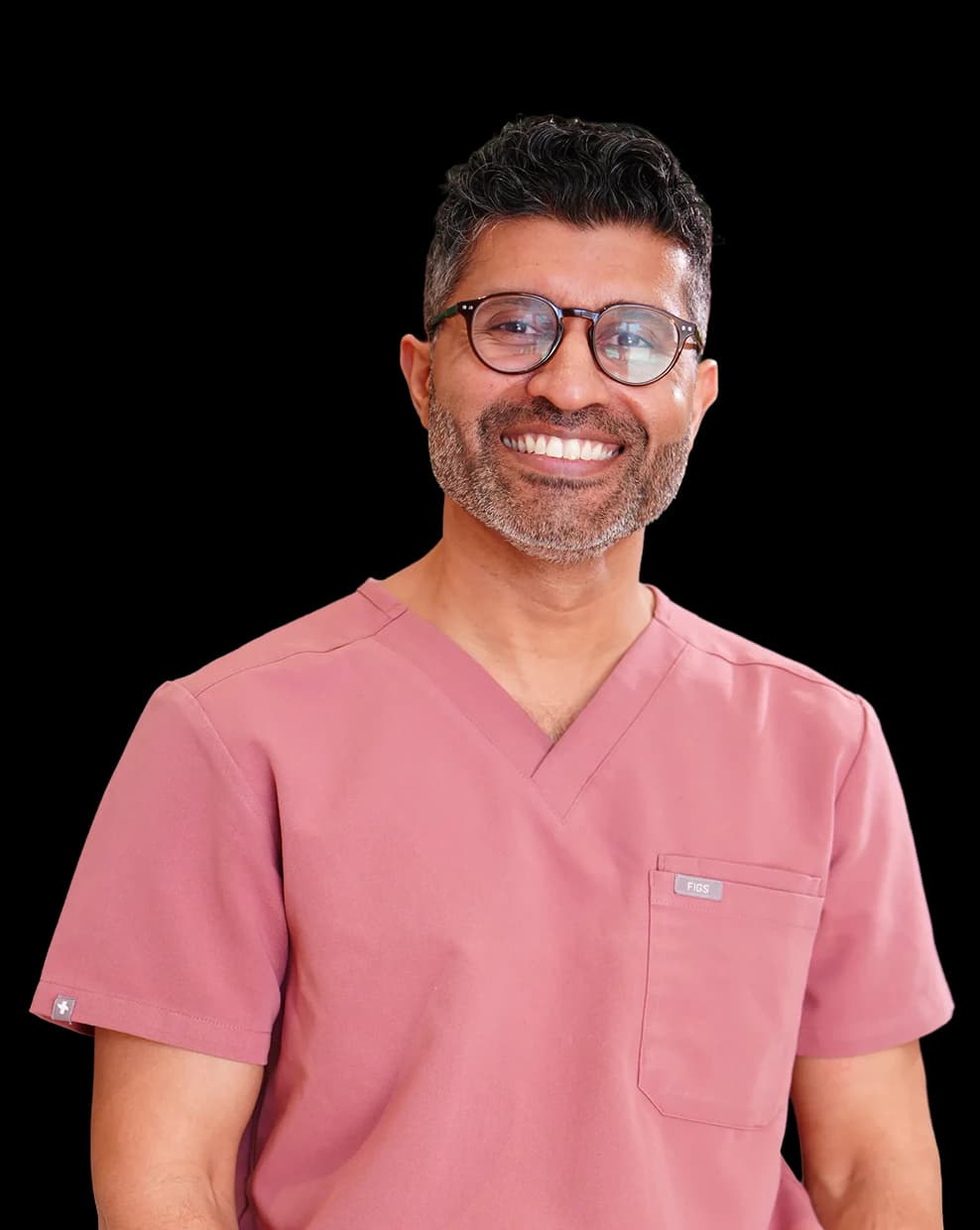
Principal Dentist, DEN0001372159
Dr. Meheransh Chopra
Dr. Chopra graduated from the University of Western Australia and focuses on helping patients understand their dental health before making decisions. His consultations place emphasis on education, careful assessment, and treatment planning that is explained in practical language.
At the studio, Dr. Chopra is closely involved in implant and restorative conversations, including suitability, function, aesthetics, maintenance, and the sequence of care. Outside dentistry, he enjoys motorsports, football, and music, and is Vice President of the WA Dental Alumni Association.
Implant planningRestorative carePatient education
LEARN MORE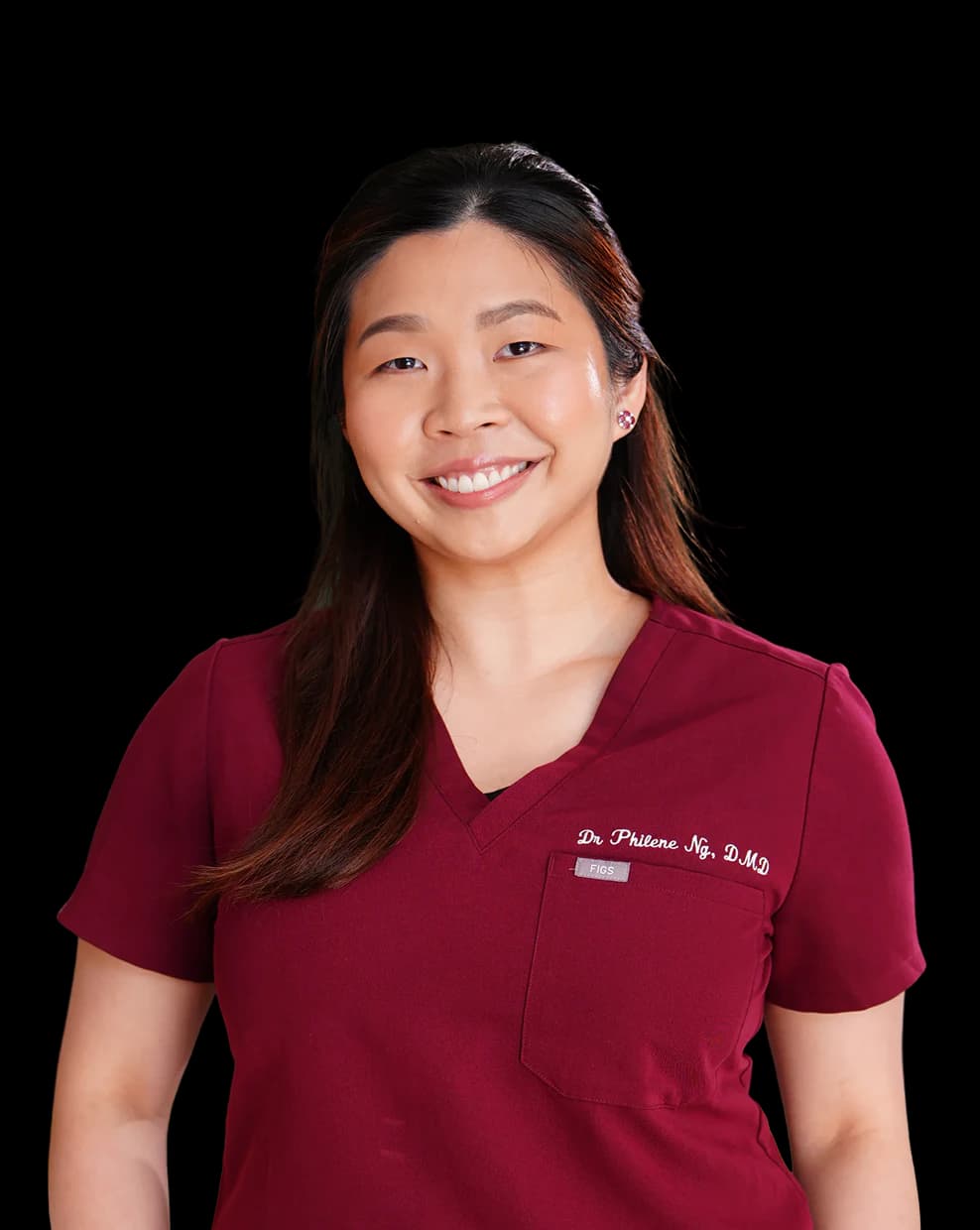
Dentist, DEN0002459496
Dr. Philene Ng
Dr. Philene Ng completed a Doctor of Dental Medicine at the University of Western Australia in 2020. She has a strong interest in restorative and preventative dentistry, with appointments shaped around communication and patient education.
Her approach supports patients who want to understand what is happening with their teeth and what options may be appropriate. Outside work, Dr. Ng enjoys the gym, cooking, baking, and planning travel, bringing a calm and balanced presence to the team.
Restorative dentistryPreventative carePatient communication
LEARN MORE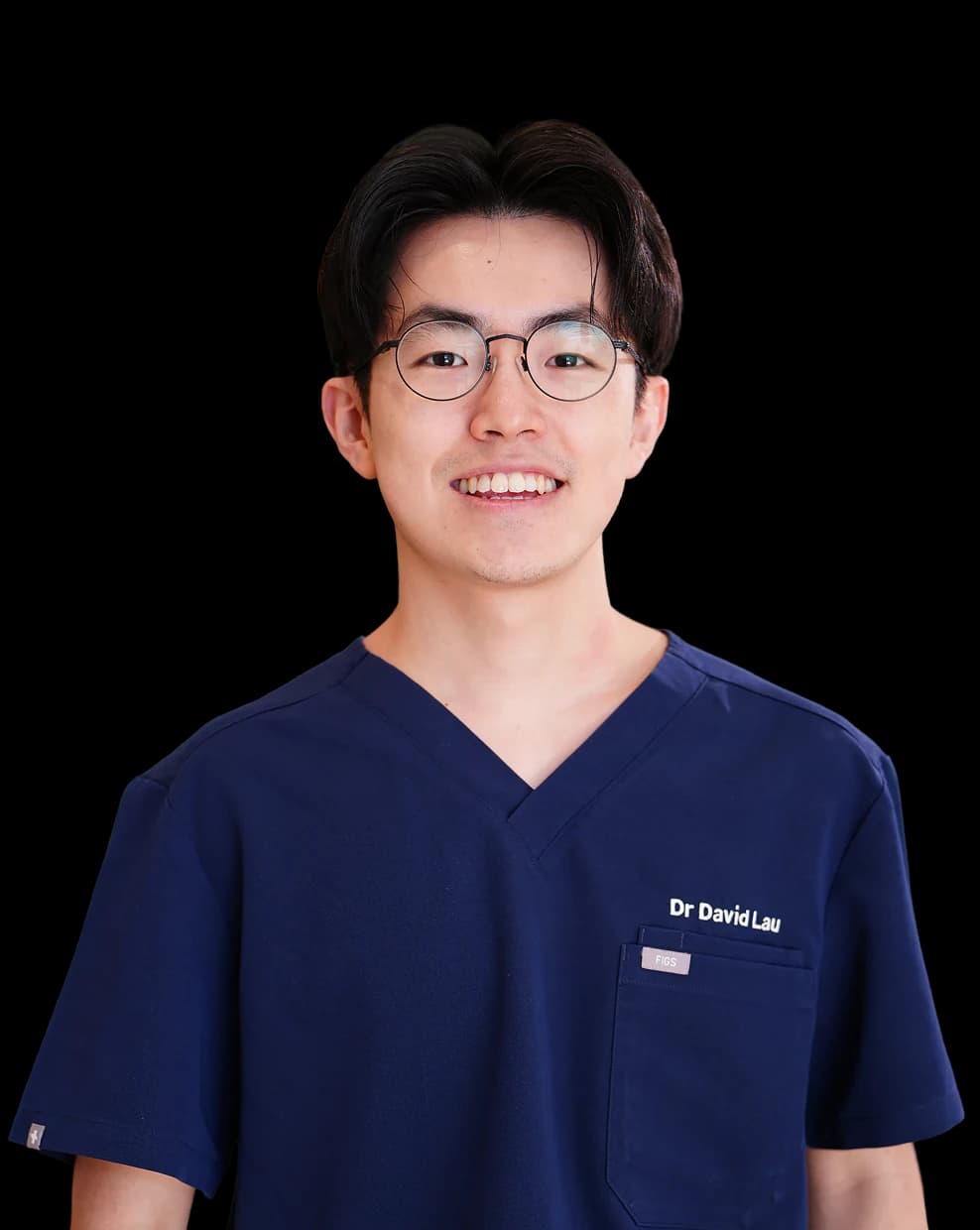
Dentist, DEN0002677043
Dr. David Lau
Dr. David Lau graduated from the University of Adelaide in 2022 and offers a broad range of dental treatments. He values patient-centred care and takes particular interest in helping anxious patients feel more at ease during appointments.
His work supports the wider studio approach by making everyday dentistry feel understandable and approachable. Away from the clinic, Dr. Lau enjoys the outdoors, culinary adventures, family gatherings, and exploring new food experiences.
General dentistryAnxious patientsRestorative support
LEARN MORE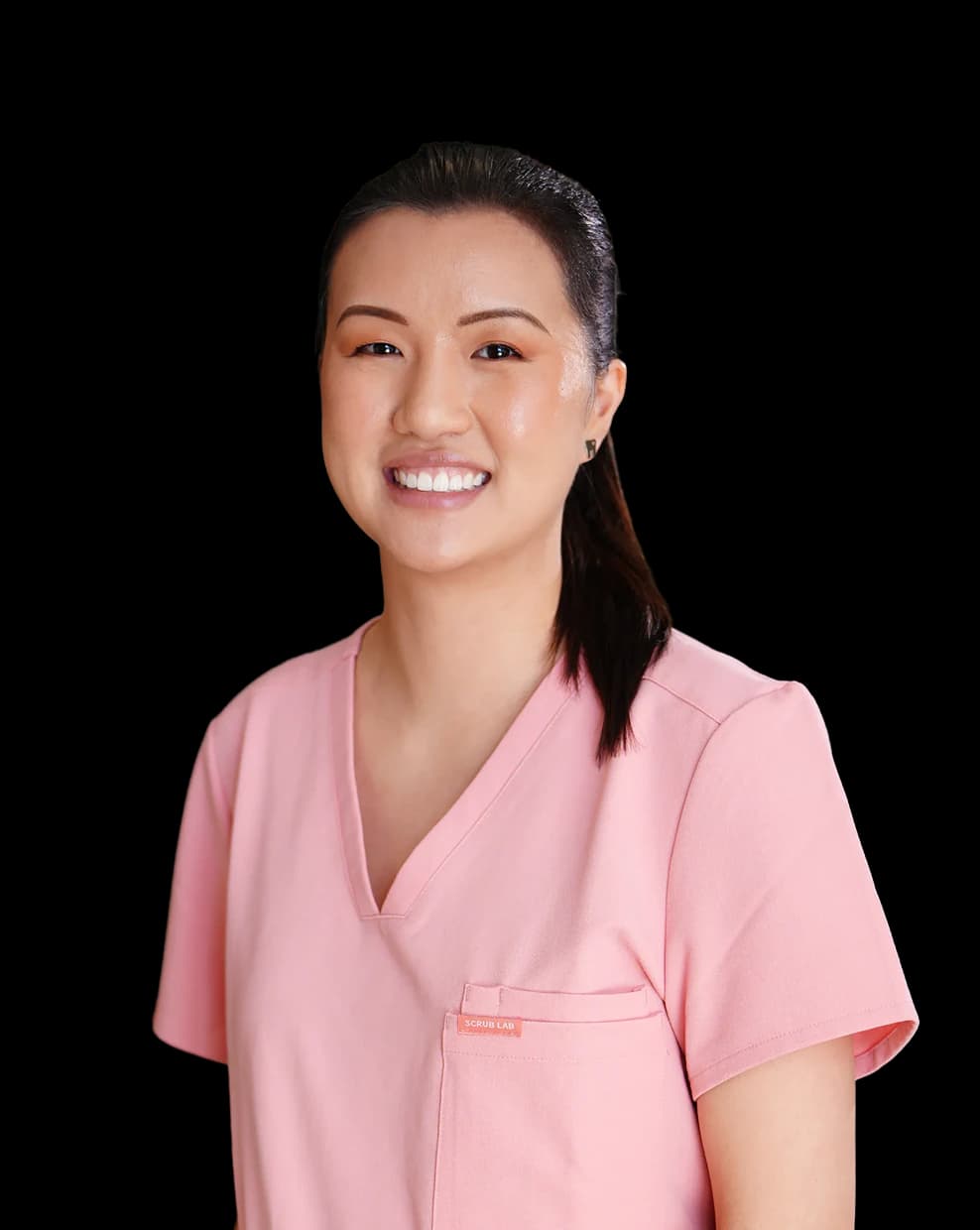
Oral Health Therapist
Lydia Lee
Lydia Lee graduated from Curtin University in 2017 as an Oral Health Therapist. She provides thorough cleans, periodontal maintenance, oral health education, and supportive care for children and adults.
Her work is especially important for patients considering or maintaining implants, because gum health and daily cleaning routines influence long-term oral health. Outside the studio, Lydia enjoys food spots, travelling, volunteering, outdoor activities, musicals, and concerts.
Oral hygienePeriodontal maintenanceChildren's dentistry
LEARN MOREFAQs
Implant denture FAQs
Common questions about implant-retained dentures and how they are assessed.
This information is general and does not replace a consultation. Your suitability, risks, costs, timing, and alternatives need to be assessed by a registered dental practitioner.
Implant dentures may be discussed when a removable denture moves, rubs, or makes meals and conversations feel harder than they should. The mouth still needs suitable support for implant placement, and your dentist needs to assess gum health, bone support, medical history, cleaning ability, and whether a simpler denture adjustment should be tried first.
What the assessment checks
Your dentist checks the gums, bone support, denture space, bite, medical history, medicines, smoking, and whether you can clean around the attachments.
When another option may suit better
A conventional denture, relined denture, fixed full-arch bridge, staged treatment, or stabilising care may be more appropriate depending on anatomy, health, budget, and maintenance needs.