Does this need urgent care today?
Pain, swelling, bleeding, looseness, or facial trauma can change how quickly you should be seen and whether medical care needs to come first.
Check red flagsA chipped, cracked, snapped, or suddenly painful tooth can make it hard to tell whether you should call today, wait, or expect a bigger repair conversation than you were hoping for.
Our team starts with triage and diagnosis. The first visit may smooth a sharp edge, protect the tooth, discuss x-rays where needed, or map staged care before any final restoration is decided.

For difficulty swallowing or breathing, severe facial swelling, uncontrolled bleeding, fever with swelling, or serious trauma concerns, seek emergency medical care or call 000.
If an adult tooth has been knocked out, urgent dental or hospital care is time-sensitive. If it is safe, hold the tooth by the crown, avoid touching the root, and keep it moist in milk or saliva.
Most patients do not need every clinical detail at once. These three questions usually shape the first call and the first visit.
Pain, swelling, bleeding, looseness, or facial trauma can change how quickly you should be seen and whether medical care needs to come first.
Check red flagsA rough chip, a biting pain, a lost filling, a broken crown, or swelling can each point the appointment in a different direction.
Match the concernSometimes the safest first step is smoothing, stabilising, discussing x-rays where needed, and giving you a written plan rather than rushing into a final restoration.
See the processUse this as a quick concern guide, not a diagnosis. The goal is to make the first call easier and help you see which questions the dentist is likely to ask first.
A small chip may only feel sharp or catch your tongue, but it still needs context: the cause, bite, sensitivity, and whether decay or an old filling is involved.
Avoid rubbing the area with your tongue if it is sharp, and call if pain or sensitivity develops.
When a front tooth breaks, appearance, speech, and confidence can feel urgent, even before you know whether the fracture is clinically serious.
Bring any fragment and mention whether the tooth feels loose, darkened, or sensitive to air or temperature.
Back teeth carry chewing force, so a break while eating may involve an old filling, hidden decay, bite pressure, or a crack under the surface.
Avoid chewing on that side until assessed, particularly if pain occurs on biting or release.
A missing or broken restoration can leave the tooth rough, sensitive, or vulnerable, and decay may be present under older dental work.
Keep the crown, filling, or fragment if you have it, avoid sticky foods, and do not use household glue.
A crack may be difficult to see but can cause sharp pain when chewing, releasing the bite, or drinking cold fluids.
Call sooner if pain is escalating, lingering, or joined by swelling.
Lingering temperature pain, spontaneous aching, swelling, bad taste, or night pain can suggest the nerve or surrounding tissues may be involved.
Seek emergency medical care for breathing, swallowing, severe swelling, or serious trauma concerns.
Patients commonly visit from Shelley, Parkwood, Willetton, Rossmoyne, Canning Vale, Riverton, and nearby Perth suburbs when a tooth breaks unexpectedly and they want a clearer next step rather than a rushed promise.
If there has been trauma, swelling, severe biting pain, or a lost crown or filling, calling before you travel helps the team guide timing and what to bring.
Parkwood, Willetton, Rossmoyne, Canning Vale, Riverton, Cannington and nearby Perth suburbs.
Broken tooth treatment is easier to follow when the first version is simple. The finer detail comes after the tooth has actually been assessed.
The dentist checks how much tooth is left, crack depth and direction, pain, sensitivity, bite pressure, and whether the nerve may be involved.
X-rays may be used where clinically needed, especially when old fillings, crowns, previous root canal treatment, decay, gum support, or bone support may affect the plan.
Temporary stabilisation may come before final restoration when symptoms, timing, swelling, referral, or tooth strength make a staged decision safer.
A broken tooth can look smaller or simpler than it really is. Once the tooth is cleaned, tested, and sometimes imaged, the plan can narrow or widen.
There is not one all-in broken tooth fee. The guide below shows common starting points that may become relevant after diagnosis, depending on what the tooth actually needs.
Some patients only need assessment or a smaller repair. Others may need stabilisation, a filling, crown planning, root canal discussion, or extraction discussion before the fee picture becomes specific.
A starting point when the tooth needs checking before anyone can say whether the issue is minor, urgent, or likely to need staged care.
Helpful when you need advice, a second opinion, or a calmer first conversation before treatment decisions become specific.
Relevant for selected chips, lost fillings, and direct repairs when enough sound tooth remains after assessment.
Only relevant if the tooth cannot be predictably restored or infection, fracture depth, or support changes the plan.
May be discussed if symptoms or findings suggest the nerve is inflamed, infected, exposed, and the tooth is otherwise restorable.
May be relevant when a broken or heavily restored tooth needs broader protection than a filling can reliably provide.
Guide only, not a personal quote. Final fees depend on assessment, diagnosis, x-rays where needed, fracture depth, restorability, stabilisation, definitive repair, and the written estimate once the treatment plan is clear.
A local team of dentists and an oral health therapist focused on practical guidance, steady communication, and continuity from the first appointment through review and maintenance, without over-weighting any one clinician.
Principal Dentist, DEN0001372159
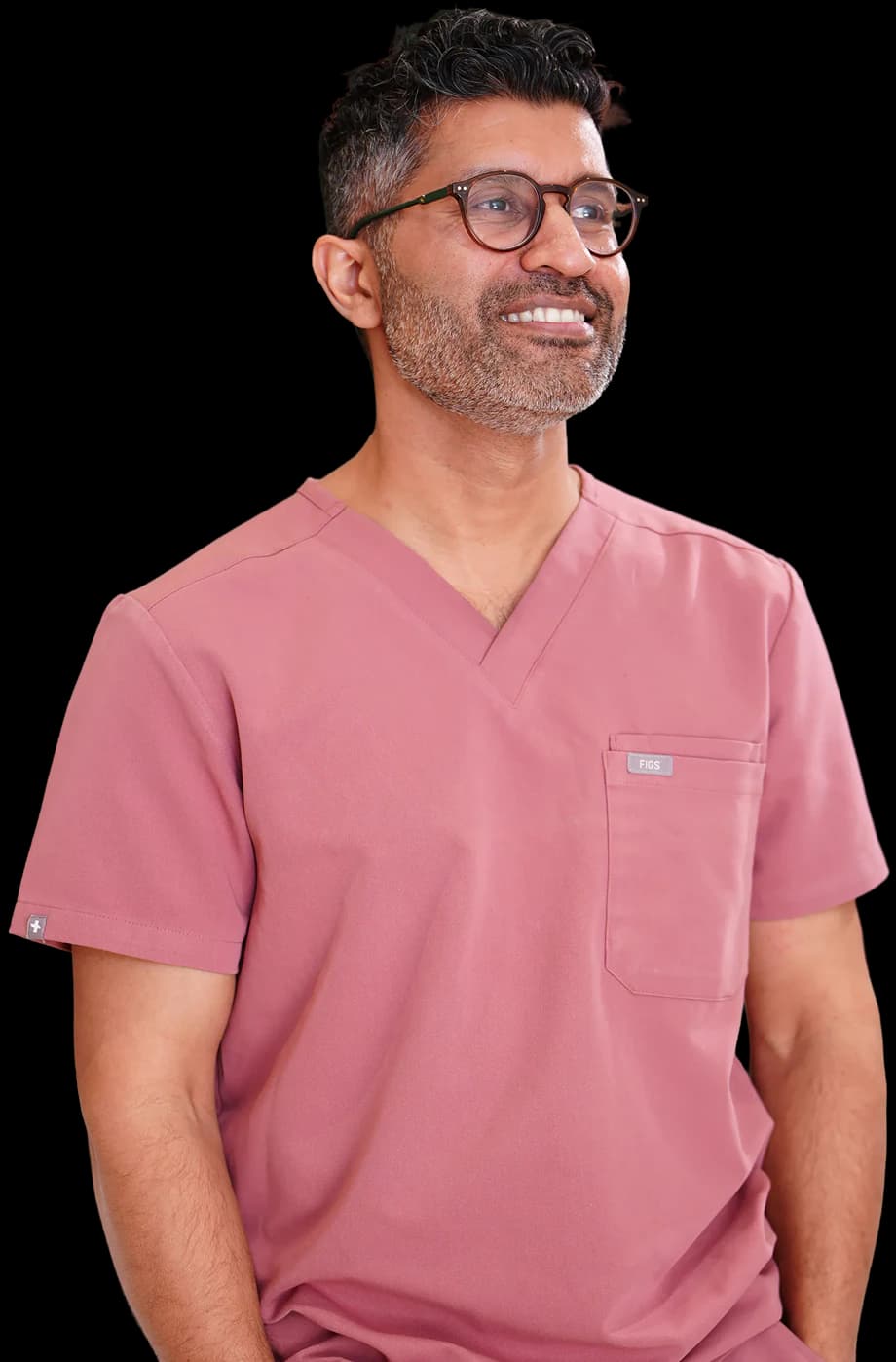
Dr. Meheransh Chopra
Dr. Chopra graduated from the University of Western Australia and focuses on helping patients understand their dental health before making decisions. His consultations place emphasis on education, careful assessment, and treatment planning that is explained in practical language.
At the studio, Dr. Chopra is closely involved in implant and restorative conversations, including suitability, function, aesthetics, maintenance, and the sequence of care. Outside dentistry, he enjoys motorsports, football, and music, and is Vice President of the WA Dental Alumni Association.
Dentist, DEN0002459496
Dr. Philene Ng
Dr. Philene Ng completed a Doctor of Dental Medicine at the University of Western Australia in 2020. She has a strong interest in restorative and preventative dentistry, with appointments shaped around communication and patient education.
Her approach supports patients who want to understand what is happening with their teeth and what options may be appropriate. Outside work, Dr. Ng enjoys the gym, cooking, baking, and planning travel, bringing a calm and balanced presence to the team.
Dentist, DEN0002677043
Dr. David Lau
Dr. David Lau graduated from the University of Adelaide in 2022 and offers a broad range of dental treatments. He values patient-centred care and takes particular interest in helping anxious patients feel more at ease during appointments.
His work supports the wider studio approach by making everyday dentistry feel understandable and approachable. Away from the clinic, Dr. Lau enjoys the outdoors, culinary adventures, family gatherings, and exploring new food experiences.
Oral Health Therapist
Lydia Lee
Lydia Lee graduated from Curtin University in 2017 as an Oral Health Therapist. She provides thorough cleans, periodontal maintenance, oral health education, and supportive care for children and adults.
Her work is especially important for patients considering or maintaining implants, because gum health and daily cleaning routines influence long-term oral health. Outside the studio, Lydia enjoys food spots, travelling, volunteering, outdoor activities, musicals, and concerts.
These FAQs can help you understand the likely repair pathways, risks, limitations, and next-step questions after a tooth chips, cracks, or breaks.
General dental information does not replace personalised advice from a registered dental practitioner or emergency medical care when red-flag symptoms are present.
Call the clinic, avoid chewing on the broken side where possible, keep any fragment or crown safe, and seek emergency medical care for red-flag symptoms.