Not every sore tooth needs root canal treatment
Deep decay, cracks, bite overload, leaking fillings, gum problems, and nerve inflammation can feel similar until the tooth is examined properly.
See the FAQsIf a tooth keeps throbbing, lingers after hot or cold, hurts when you bite, or starts swelling, the hardest part is often not the dentistry. It is wondering whether the tooth can be kept, how urgent this is, and whether you are about to commit to more treatment than you expected.
You do not need to decide on root canal treatment before you call. We start with diagnosis, stabilising the tooth where needed, and explaining whether root canal treatment, monitoring, referral, extraction, or another restoration path makes more sense.
For severe facial swelling, fever or feeling unwell, difficulty swallowing or breathing, severe escalating pain, trauma, uncontrolled bleeding, or serious trauma concerns, seek emergency medical care or call 000.
Call the clinic for dental guidance when symptoms are dental and you are otherwise stable, especially if tooth pain is lingering, swelling is localised, or a cracked tooth, deep cavity, or large filling has changed.
This page is intentionally lighter on the first screen. If you only need the short version, these are the three points that usually matter most before you decide what to do next.
Deep decay, cracks, bite overload, leaking fillings, gum problems, and nerve inflammation can feel similar until the tooth is examined properly.
See the FAQsSome teeth are treated straight away. Others need x-rays, temporary dressing, infection review, staged care, or referral before the longer plan is clear.
View the processAsk what the root canal stages may cost, whether the final filling, onlay, or crown is separate, and what could change if the tooth is less restorable than expected.
Understand cost clarityThese do not diagnose the tooth. They help you decide whether to call promptly and what to describe when you do.
Sensitivity that keeps aching after the drink or air trigger is gone can suggest deeper irritation, but the actual cause still needs testing and examination.
Avoid repeatedly testing the tooth while you wait for advice.
Sharp pain on biting can be linked to cracks, a high filling, inflammation around the root, or other bite-related causes that need to be separated properly.
Avoid chewing on that side until the tooth has been assessed.
Local swelling, a draining spot on the gum, or a bad taste can point to infection risk and is worth discussing promptly even if the pain has settled down.
Seek emergency medical care or call 000 for severe facial swelling, fever, or difficulty swallowing or breathing.
A repeating ache, a darker tooth, deep decay, large fillings, or previous root canal treatment can all change whether the tooth is still straightforward to restore.
Bring any recent x-rays or notes if you have them.
Patients from Shelley, Parkwood, Willetton, Rossmoyne, Riverton, and nearby Perth suburbs usually want the same first answer: how quickly should I be seen, and is this about keeping the tooth or planning the next step?
If you call before travelling, the team can help separate medical red flags from urgent dental symptoms and explain whether the appointment is likely to focus on diagnosis, stabilising pain, or discussing treatment options.
Convenient for Shelley and Parkwood patients, with people also visiting from nearby Perth suburbs for urgent dental assessment.
The real plan varies by tooth, but the first version should be easy to follow before you get buried in clinical detail.
Tell us about the pain pattern, swelling, crack, filling history, night pain, fever, medicines, and what is worrying you most.
The dentist checks whether the tooth is restorable, whether the nerve seems involved, and whether another problem is mimicking root canal symptoms.
That may be same-day treatment, stabilising symptoms, staged care, monitoring, referral, or a discussion about extraction and what follows.
Before you commit, the written plan should clarify the root canal stages, whether the final filling, onlay, or crown is separate, and what follow-up is expected.
Cleaning the inside of the tooth is only part of the job. The tooth still has to be sealed, protected, and reviewed so the plan makes sense beyond the urgent phase.
This is not a calculator, but it is reasonable to want a real starting point. Root canal fees vary with the tooth, number of canals, infection, appointment staging, and whether the tooth then needs a filling, onlay, or crown.
The practice fees guide lists root canal therapy from $750. That figure is guide only, not a personal quote, and the final filling, onlay, or crown may be separate unless it is clearly included in the written plan.
Root canal therapy may be recommended when the nerve inside a tooth is inflamed or infected and the tooth is otherwise restorable.
Fees vary by tooth type, number of canals, infection, restoration needs, and appointment staging.
A local team of dentists and an oral health therapist focused on practical guidance, steady communication, and continuity from the first appointment through review and maintenance, without over-weighting any one clinician.
Principal Dentist, DEN0001372159
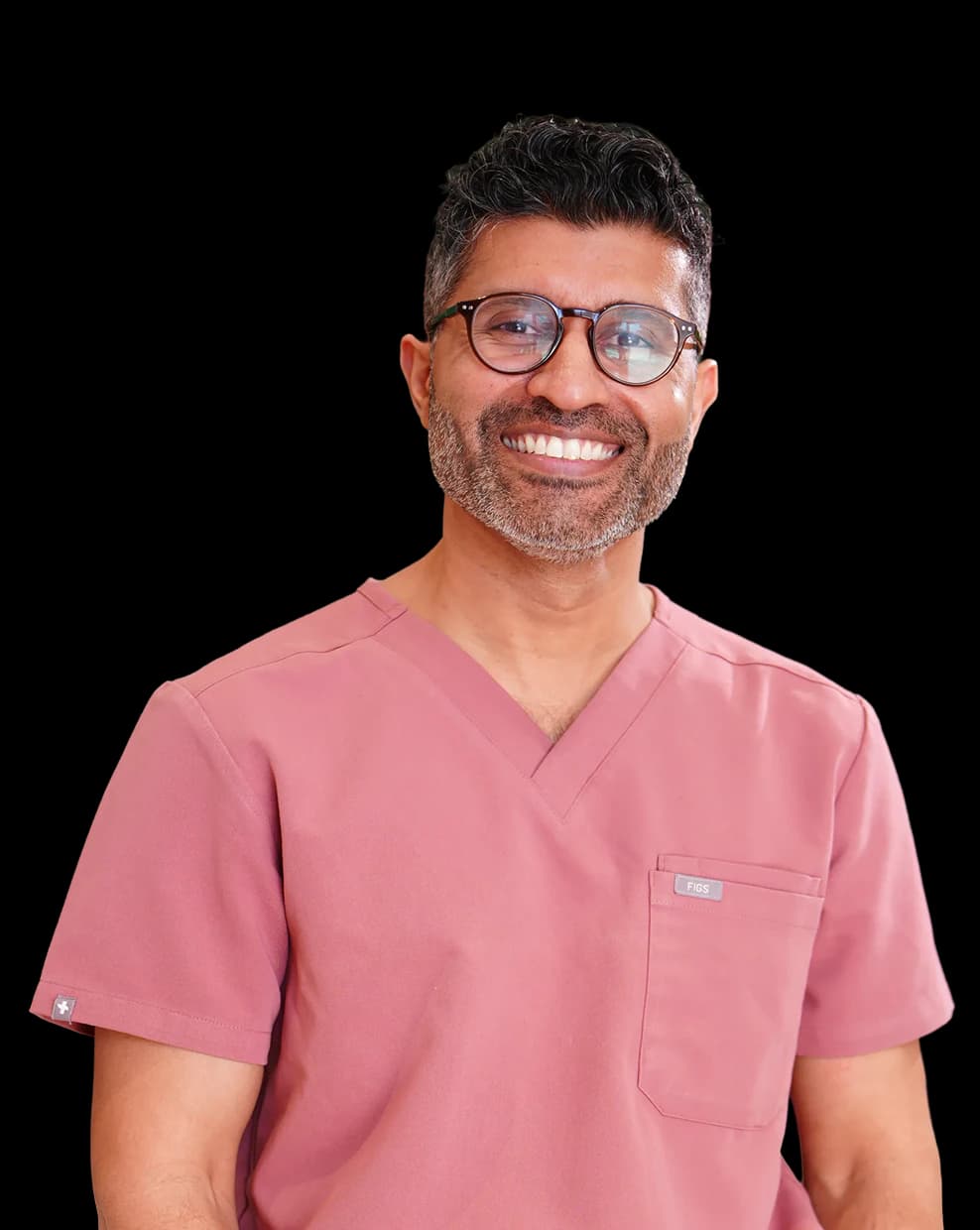
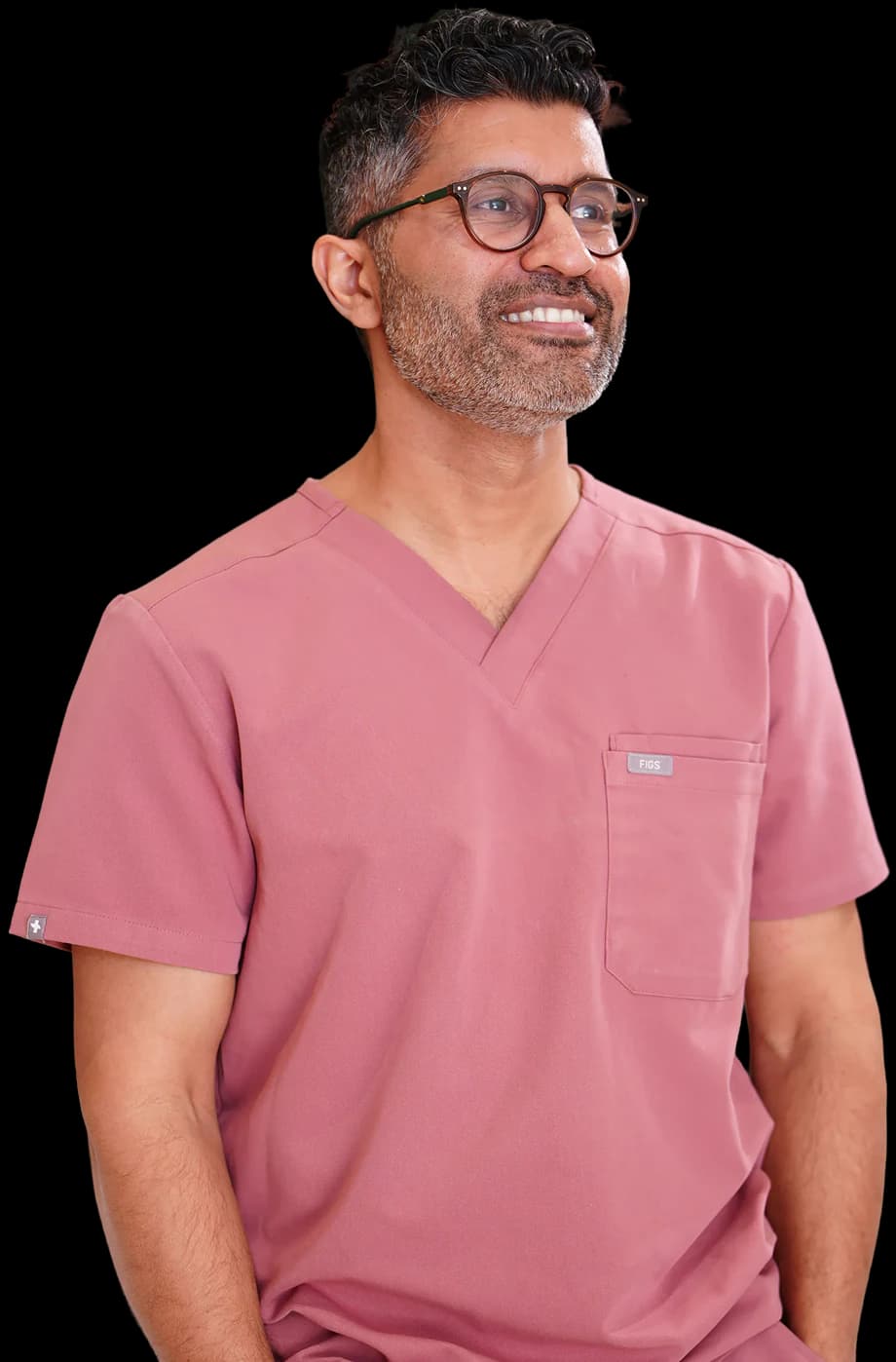
Dr. Meheransh Chopra
Dr. Chopra graduated from the University of Western Australia and focuses on helping patients understand their dental health before making decisions. His consultations place emphasis on education, careful assessment, and treatment planning that is explained in practical language.
At the studio, Dr. Chopra is closely involved in implant and restorative conversations, including suitability, function, aesthetics, maintenance, and the sequence of care. Outside dentistry, he enjoys motorsports, football, and music, and is Vice President of the WA Dental Alumni Association.
Dentist, DEN0002459496
Dr. Philene Ng
Dr. Philene Ng completed a Doctor of Dental Medicine at the University of Western Australia in 2020. She has a strong interest in restorative and preventative dentistry, with appointments shaped around communication and patient education.
Her approach supports patients who want to understand what is happening with their teeth and what options may be appropriate. Outside work, Dr. Ng enjoys the gym, cooking, baking, and planning travel, bringing a calm and balanced presence to the team.
Dentist, DEN0002677043
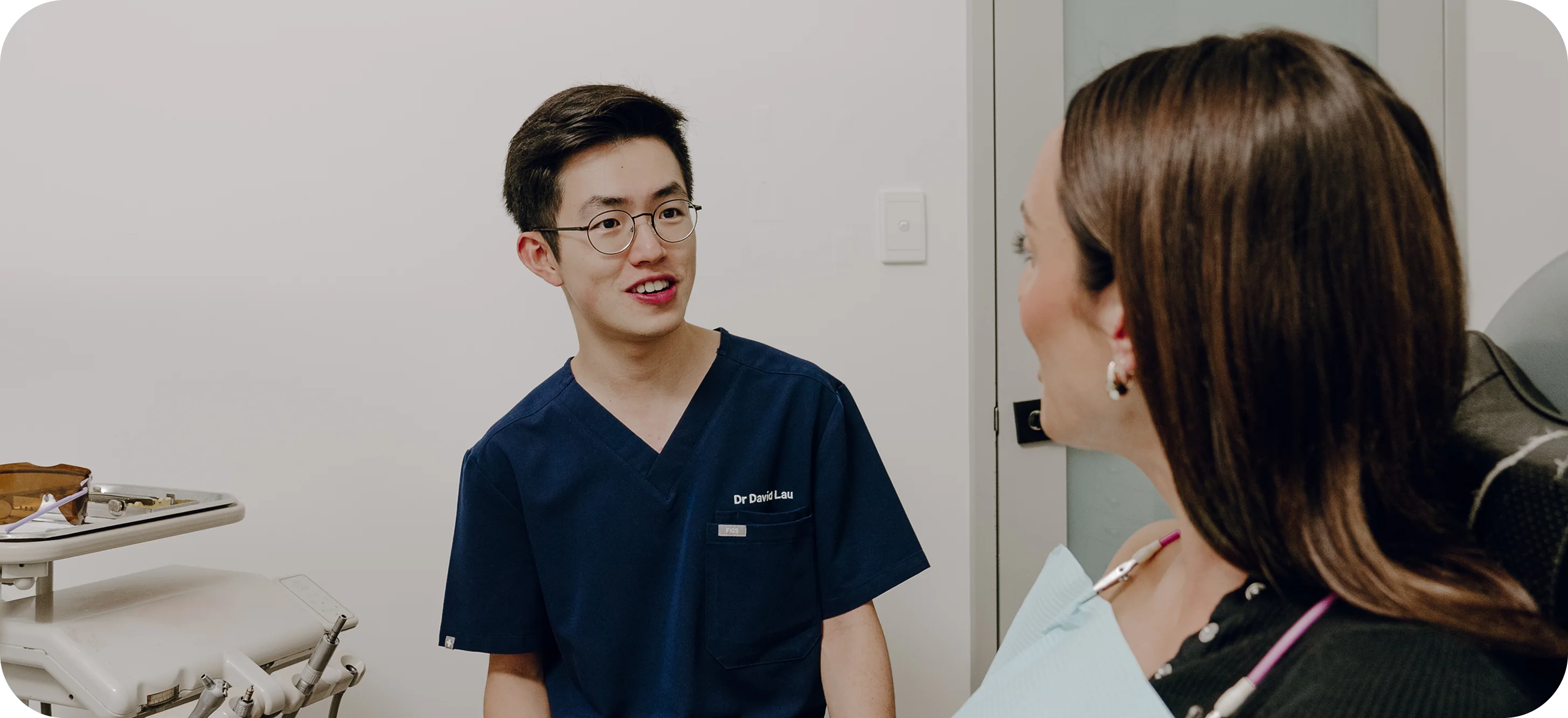
Dr. David Lau
Dr. David Lau graduated from the University of Adelaide in 2022 and offers a broad range of dental treatments. He values patient-centred care and takes particular interest in helping anxious patients feel more at ease during appointments.
His work supports the wider studio approach by making everyday dentistry feel understandable and approachable. Away from the clinic, Dr. Lau enjoys the outdoors, culinary adventures, family gatherings, and exploring new food experiences.
Oral Health Therapist
Lydia Lee
Lydia Lee graduated from Curtin University in 2017 as an Oral Health Therapist. She provides thorough cleans, periodontal maintenance, oral health education, and supportive care for children and adults.
Her work is especially important for patients considering or maintaining implants, because gum health and daily cleaning routines influence long-term oral health. Outside the studio, Lydia enjoys food spots, travelling, volunteering, outdoor activities, musicals, and concerts.
These FAQs can help you understand the usual questions around root canal treatment, including symptoms, alternatives, aftercare, referral, and cost.
You cannot confirm it from symptoms alone. Lingering temperature pain, spontaneous toothache, swelling, a gum pimple, deep decay, or biting pain can all be reasons to arrange assessment, especially if you are wondering whether the tooth can be kept or whether treatment can wait.
The aim is to understand whether the tooth is restorable, whether the pain source is actually the nerve, and whether the first step is same-day treatment, staged care, monitoring, referral, or extraction discussion.