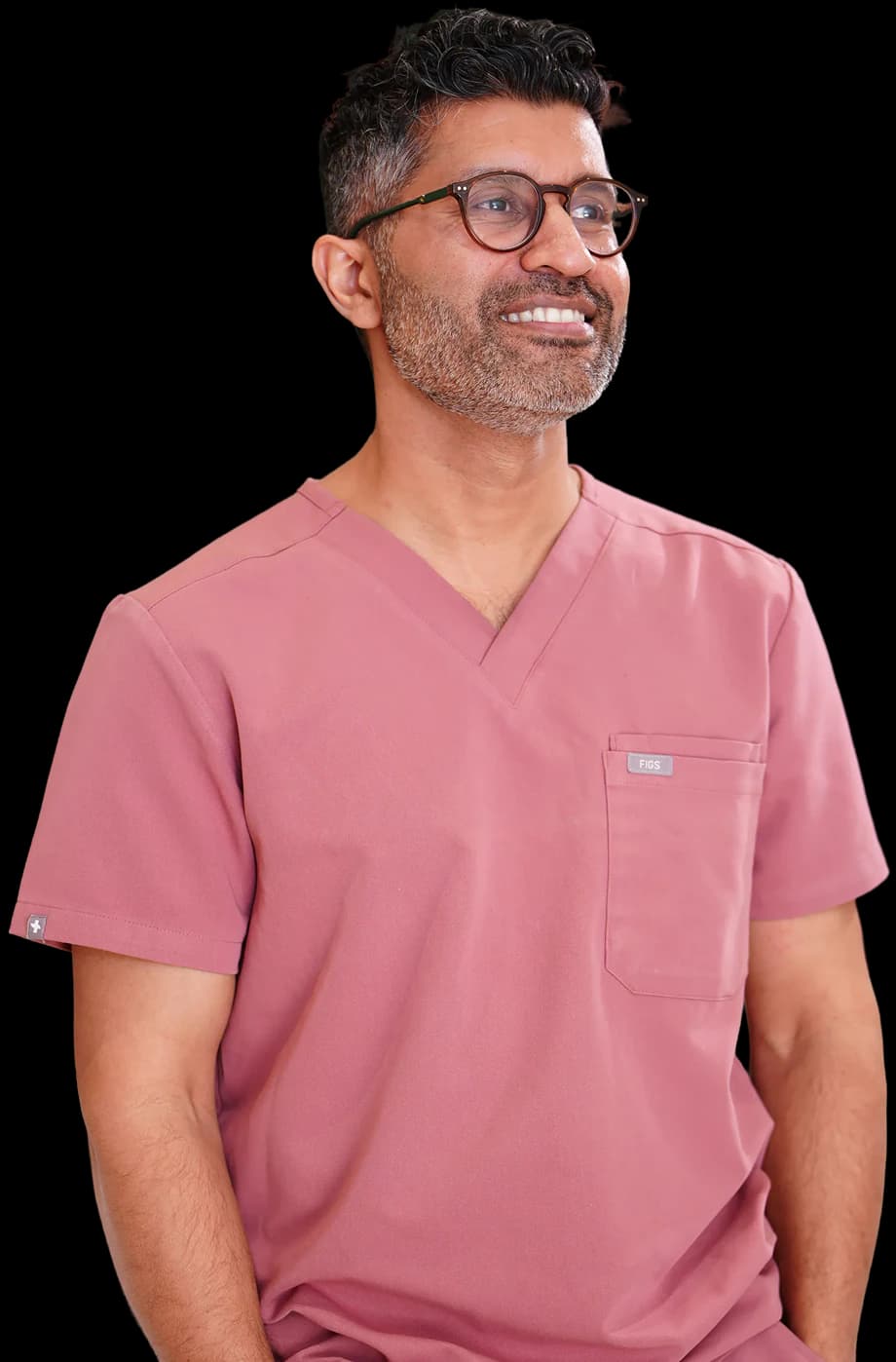

With support tailored to your needs, including suitability, comfort, next steps, and clear guidance after assessment.
Treatment comparison
Missing Teeth Options in Perth, Compared Clearly Before You Decide
If eating on one side, hiding a gap in photos, wearing a loose denture, or reading a quote has started to feel stressful, you do not need to choose a treatment name first. Start with a calm comparison of fixed, removable, staged, and monitoring pathways.
At your first visit, we look at your teeth, gums, bite, X-rays or CBCT where useful, cleaning access, comfort needs, timing, and fees before discussing what is realistic for you.
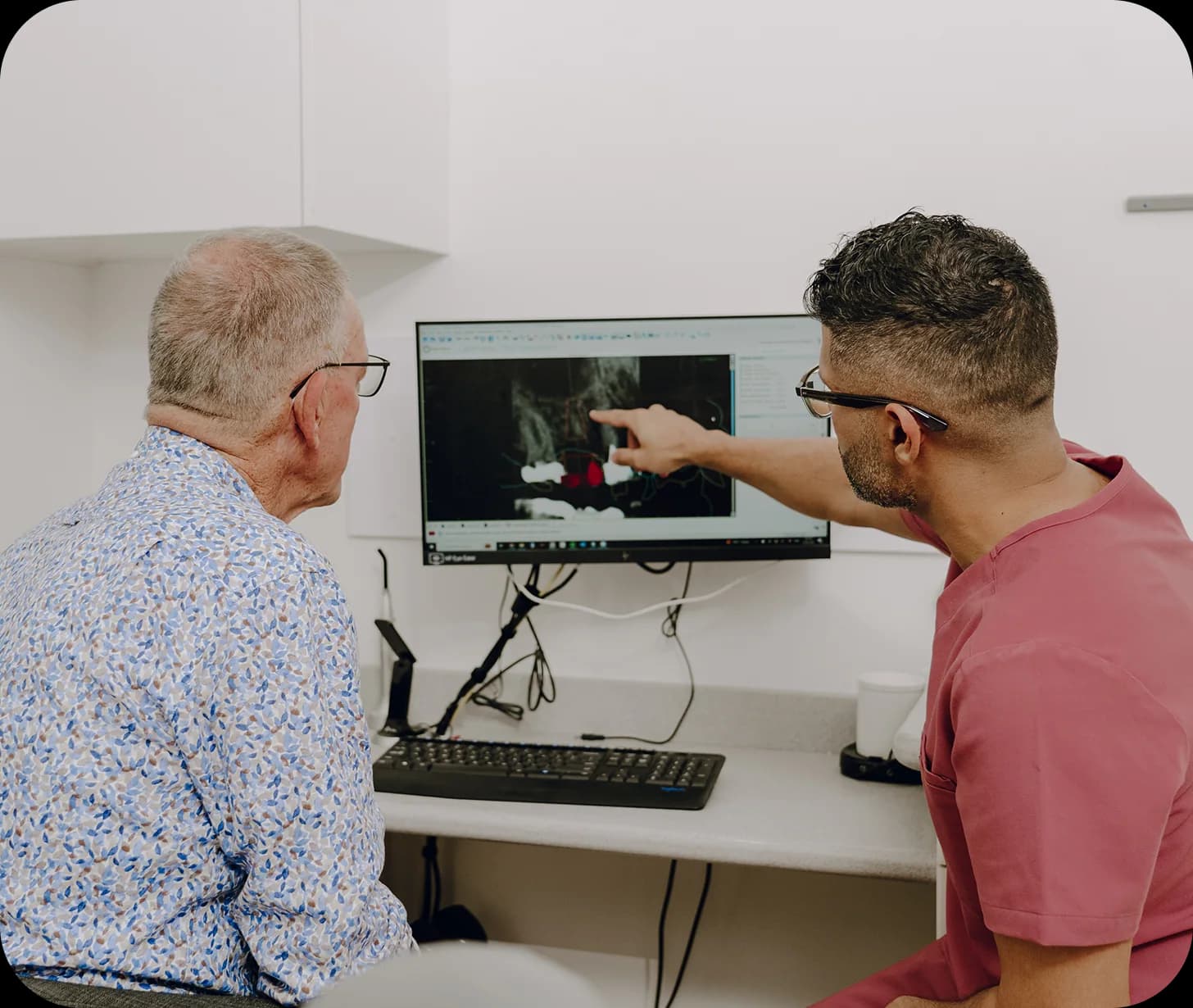

Assessment firstYour mouth, priorities, and quote need to be read together.
A useful plan should explain what fits, what does not, what could change the fee, and what you can take time to consider.
Reviewed so patients can compare suitability, alternatives, risks, timing, maintenance, and fee factors before any treatment pathway is recommended.
Suitability, risks, alternatives, timing, maintenance, and fees are discussed after assessment.
Quick read
Quick read before you compare
If you want the short version first, stay with the practical questions: what needs checking, what you are really comparing, and what a written plan should make clear before you commit.
What gets checked first
Teeth, gums, bite, existing dental work, X-rays or CBCT where useful, medical history, cleaning access, and the day-to-day problem you want solved all shape the options.
What you are really comparing
Most people are deciding between fixed or removable, surgical or non-surgical, and staged or all-at-once treatment rather than choosing one treatment name in isolation.
What a written plan should answer
A useful plan explains what is included now, what could change after assessment, what maintenance looks like, and which simpler or staged options are still reasonable.
Compare the trade-offs
A shorter way to compare the trade-offs
Deeper pairwise questions, maintenance points, and second-opinion details stay in the FAQ below so the page stays calmer to read.
| Option | Often discussed when | Fixed or removable | Treatment involvement | Main trade-off |
|---|---|---|---|---|
| Single tooth implant | One tooth is missing and neighbouring teeth are healthy enough to avoid using them as bridge supports. | Fixed crown supported by an implant. | Surgical placement, healing, restoration, and review. | Often more involved than a bridge or removable tooth, and suitability depends on anatomy and oral health. |
| Dental bridge | A fixed option is wanted and nearby teeth already need crowns or can reasonably support the bridge. | Fixed to teeth or existing restorations. | Tooth preparation, impressions or scans, temporary stage, final bridge fit, and reviews. | Can involve changing adjacent teeth, so the health of those teeth matters. |
| Partial denture | One or several teeth are missing and a removable, lower-involvement option is being considered. | Removable. | Impressions or scans, try-in stages, fit, adjustment, and review. | Usually less involved than implants, but can feel less stable or less familiar for some patients. |
| Full denture | A full upper or lower arch needs replacement and a removable option is being compared. | Removable. | Denture planning, impressions, try-ins, fit, adjustments, and maintenance reviews. | Can be simpler to start than implant treatment, but stability and chewing comfort vary by person. |
| Implant denture | A denture feels unstable and implants may help retain it, subject to assessment. | Usually removable but retained by implant attachments. | Implant planning, placement, healing, denture conversion or new denture, and attachment maintenance. | Can improve retention compared with a conventional denture, but adds surgical and maintenance considerations. |
| All-on-4 or full-arch implants | Many teeth are missing or failing and a fixed full-arch option is being compared with dentures. | Fixed full-arch bridge, removed by the dentist for maintenance when needed. | Detailed planning, surgical placement, provisional phase, final bridge, and long-term reviews. | More complex and higher commitment than removable options; suitability is case-specific. |
| No immediate replacement | Symptoms are stable, oral health needs attention first, or the timing is not right for replacement treatment. | No appliance or implant at this stage. | Monitoring, preventive care, stabilising dental disease, or staged planning. | May be sensible short term, but changes in teeth, bite, or chewing should be monitored. |
Single tooth implant
- Often discussed when
- One tooth is missing and neighbouring teeth are healthy enough to avoid using them as bridge supports.
- Fixed or removable
- Fixed crown supported by an implant.
- Treatment involvement
- Surgical placement, healing, restoration, and review.
- Main trade-off
- Often more involved than a bridge or removable tooth, and suitability depends on anatomy and oral health.
Dental bridge
- Often discussed when
- A fixed option is wanted and nearby teeth already need crowns or can reasonably support the bridge.
- Fixed or removable
- Fixed to teeth or existing restorations.
- Treatment involvement
- Tooth preparation, impressions or scans, temporary stage, final bridge fit, and reviews.
- Main trade-off
- Can involve changing adjacent teeth, so the health of those teeth matters.
Partial denture
- Often discussed when
- One or several teeth are missing and a removable, lower-involvement option is being considered.
- Fixed or removable
- Removable.
- Treatment involvement
- Impressions or scans, try-in stages, fit, adjustment, and review.
- Main trade-off
- Usually less involved than implants, but can feel less stable or less familiar for some patients.
Full denture
- Often discussed when
- A full upper or lower arch needs replacement and a removable option is being compared.
- Fixed or removable
- Removable.
- Treatment involvement
- Denture planning, impressions, try-ins, fit, adjustments, and maintenance reviews.
- Main trade-off
- Can be simpler to start than implant treatment, but stability and chewing comfort vary by person.
Implant denture
- Often discussed when
- A denture feels unstable and implants may help retain it, subject to assessment.
- Fixed or removable
- Usually removable but retained by implant attachments.
- Treatment involvement
- Implant planning, placement, healing, denture conversion or new denture, and attachment maintenance.
- Main trade-off
- Can improve retention compared with a conventional denture, but adds surgical and maintenance considerations.
All-on-4 or full-arch implants
- Often discussed when
- Many teeth are missing or failing and a fixed full-arch option is being compared with dentures.
- Fixed or removable
- Fixed full-arch bridge, removed by the dentist for maintenance when needed.
- Treatment involvement
- Detailed planning, surgical placement, provisional phase, final bridge, and long-term reviews.
- Main trade-off
- More complex and higher commitment than removable options; suitability is case-specific.
No immediate replacement
- Often discussed when
- Symptoms are stable, oral health needs attention first, or the timing is not right for replacement treatment.
- Fixed or removable
- No appliance or implant at this stage.
- Treatment involvement
- Monitoring, preventive care, stabilising dental disease, or staged planning.
- Main trade-off
- May be sensible short term, but changes in teeth, bite, or chewing should be monitored.
Treatment journey
What usually happens before you commit
You should not need to accept a treatment label on the spot. The short version is assessment first, then a written comparison of what fits, what does not, and what can be staged.

Step 01Consultation
The aim is to keep the decision tied to records, alternatives, written costs, and realistic maintenance.
Step 01
Consultation
We listen to what has changed day to day, what worries you, what you have already been told, and what you need the replacement to help with, without needing you to apologise for where things are starting from.
The aim is to keep the decision tied to records, alternatives, written costs, and realistic maintenance.Step 02
Records and assessment
The dentist checks teeth, gums, bite, medical history, X-rays, and whether CBCT imaging or referral discussion is needed.
The aim is to keep the decision tied to records, alternatives, written costs, and realistic maintenance.Step 03
Comparison and written plan
Implants, bridges, dentures, implant dentures, full-arch treatment, staged care, and monitoring are compared against your findings so the written plan covers alternatives, fees, and next steps together.
The aim is to keep the decision tied to records, alternatives, written costs, and realistic maintenance.Step 04
Staged care and reviews
Some people need gum stabilisation, extractions, temporary teeth, denture adjustments, restorative work, or ongoing review before a final replacement is sensible.
The aim is to keep the decision tied to records, alternatives, written costs, and realistic maintenance.Cost and quote clarity
Guide fees and written quotes
Use these starting fees to frame the conversation, then ask for a written quote that shows what is included now, what depends on assessment, and what may be staged later.
Useful when you need advice, a second opinion, or a calmer first step before deciding on replacement treatment.
Open guideHelpful when the teeth, gums, bite, and existing dental work need a broader clinical check before comparing options.
Open guideA starting point for single-tooth or staged implant discussions before imaging, crown design, and surgical details are confirmed.
Open guideRelevant when the comparison includes bridge supports, heavily restored neighbouring teeth, or whether a tooth can still be protected.
Open guideRelevant when a failing tooth may need removal before temporary, removable, bridge, or implant options are discussed properly.
Open guideGuide only, not a personal quote. These are starting guide fees from the practice fees guide. Dentures, bridges, and full-arch treatment usually need a written quote after assessment because the fee depends on design, records, laboratory stages, and what the mouth needs first.
What usually needs a written quote
Dentures, bridges, and full-arch treatment usually need a written quote because the total depends on design, materials, impressions or scans, laboratory work, provisional stages, relines, reviews, and what other treatment comes first.
Compare implant cost factorsPayment timing
Some treatment is staged or paused between stabilising care and final replacement. Understanding when fees are due can make one quote easier to compare with another.
View payment optionsQuote inclusions
Ask for the quote to separate consultations, imaging, extractions, surgery, dentures, bridge work, provisional stages, laboratory work, reviews, and likely maintenance so you can compare plans fairly.
Read the fees guideHealth fund checks
Ask for item numbers before checking rebates. Extras cover, waiting periods, annual limits, and staged treatment can change what is covered, and cover does not decide suitability.
Understand health fundsImplant planning context
If implant treatment stays in the conversation, compare what is included in imaging, surgery, provisional stages, final teeth, reviews, and maintenance rather than relying on one headline figure.
Read the implant overviewShelley and Parkwood care
Local follow-up matters after the first decision
The Dental & Implant Studio is based at Shop 6 / 15 Tribute Street West, Shelley, with patients visiting from Shelley, Parkwood, Willetton, Rossmoyne, Canning Vale, and surrounding Perth suburbs. Missing-teeth decisions often need review visits, denture adjustments, maintenance checks, or quote clarification after the first appointment.
Bring the worry, not the perfect wording
You can bring concerns about gaps, loose dentures, eating, speech, surgery, fees, embarrassment, or an existing quote without needing to know the right treatment name.
Fixed, removable, and staged care in one conversation
The comparison can include implants, bridges, dentures, full-arch treatment, stabilising care, and monitoring rather than treating each page as a separate decision.
Written next steps
Before you leave, we explain the next practical step: extra records, stabilising care, monitoring, or a written treatment plan to review in your own time.
OUR TEAM
A Local Team That Explains The Plan
A local team of dentists and an oral health therapist focused on practical guidance, steady communication, and continuity from the first appointment through review and maintenance, without over-weighting any one clinician.
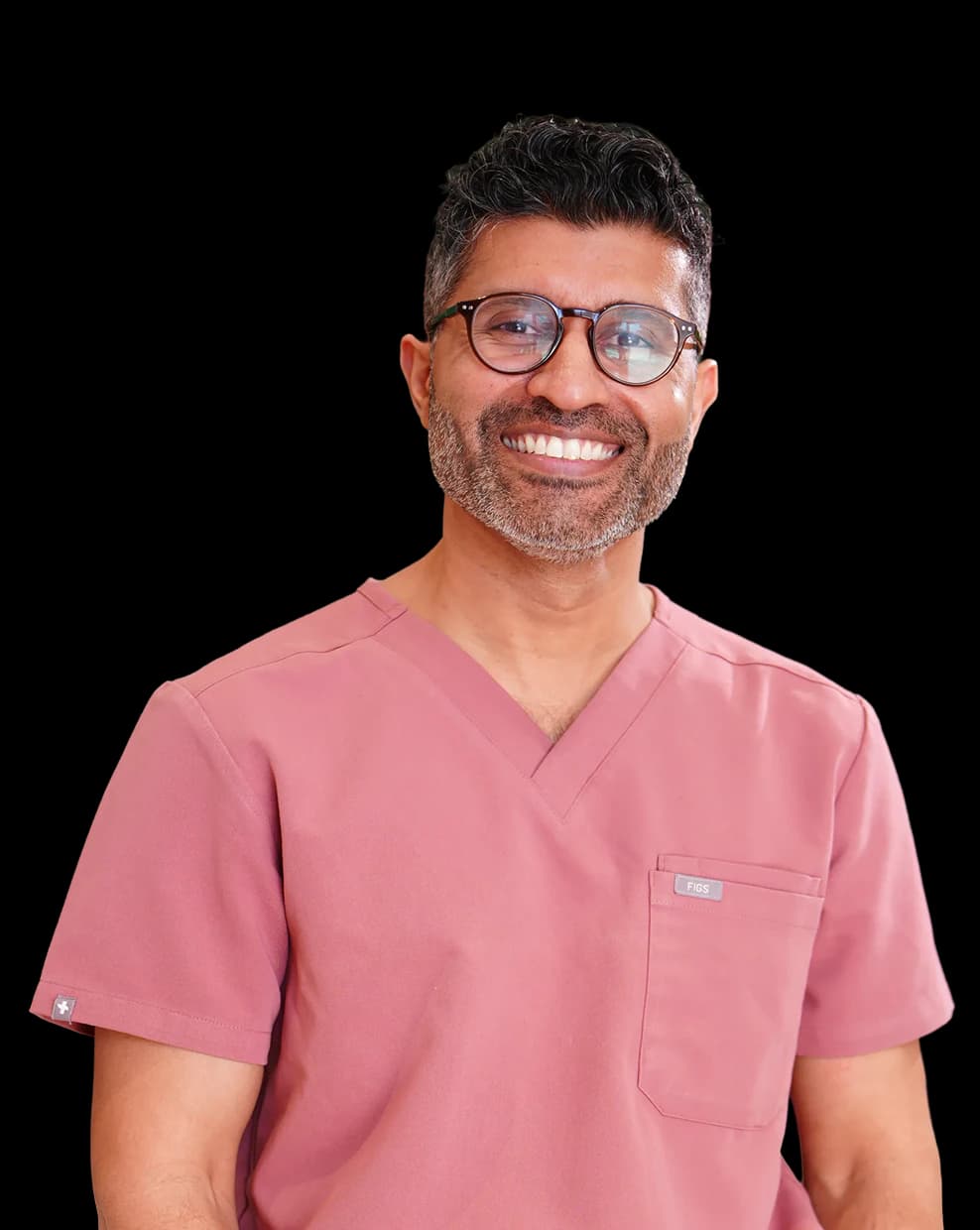
Principal Dentist, DEN0001372159
Dr. Meheransh Chopra
Dr. Chopra graduated from the University of Western Australia and focuses on helping patients understand their dental health before making decisions. His consultations place emphasis on education, careful assessment, and treatment planning that is explained in practical language.
At the studio, Dr. Chopra is closely involved in implant and restorative conversations, including suitability, function, aesthetics, maintenance, and the sequence of care. Outside dentistry, he enjoys motorsports, football, and music, and is Vice President of the WA Dental Alumni Association.

Dentist, DEN0002459496
Dr. Philene Ng
Dr. Philene Ng completed a Doctor of Dental Medicine at the University of Western Australia in 2020. She has a strong interest in restorative and preventative dentistry, with appointments shaped around communication and patient education.
Her approach supports patients who want to understand what is happening with their teeth and what options may be appropriate. Outside work, Dr. Ng enjoys the gym, cooking, baking, and planning travel, bringing a calm and balanced presence to the team.
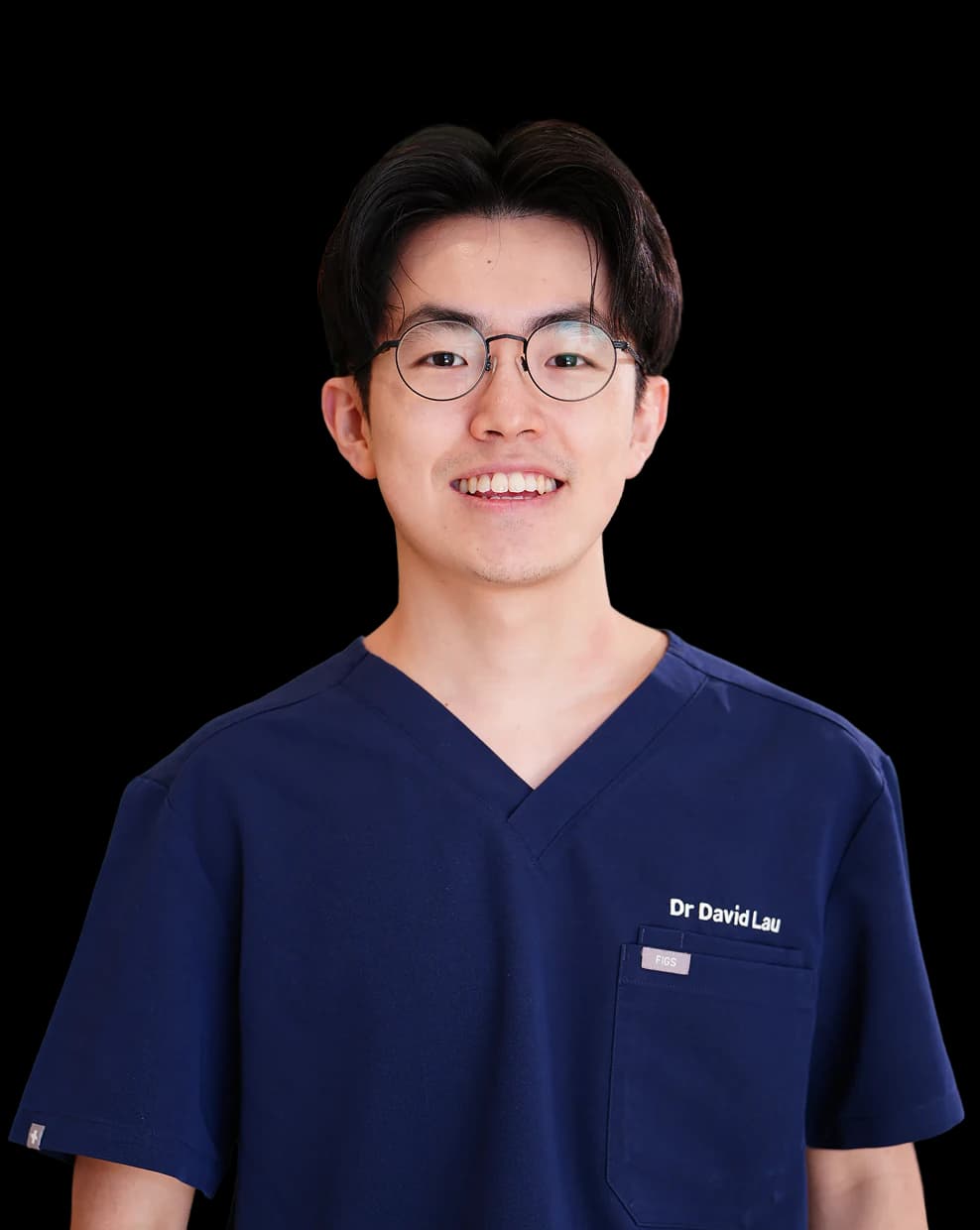
Dentist, DEN0002677043
Dr. David Lau
Dr. David Lau graduated from the University of Adelaide in 2022 and offers a broad range of dental treatments. He values patient-centred care and takes particular interest in helping anxious patients feel more at ease during appointments.
His work supports the wider studio approach by making everyday dentistry feel understandable and approachable. Away from the clinic, Dr. Lau enjoys the outdoors, culinary adventures, family gatherings, and exploring new food experiences.

Oral Health Therapist
Lydia Lee
Lydia Lee graduated from Curtin University in 2017 as an Oral Health Therapist. She provides thorough cleans, periodontal maintenance, oral health education, and supportive care for children and adults.
Her work is especially important for patients considering or maintaining implants, because gum health and daily cleaning routines influence long-term oral health. Outside the studio, Lydia enjoys food spots, travelling, volunteering, outdoor activities, musicals, and concerts.
Missing teeth FAQs
Questions people ask when comparing options
These FAQs can help you understand the trade-offs between missing teeth options, but suitability, timing, costs, and risks still need to be assessed in person.
This information does not replace a consultation. Suitability, risks, costs, timing, and alternatives need assessment by a registered dental practitioner.
Common missing teeth options include dental implants, dental bridges, partial dentures, full dentures, implant dentures, full-arch implant treatment, staged treatment, or monitoring with no immediate replacement. The right discussion depends on the number of teeth missing, gum and bone support, adjacent teeth, bite, medical history, cleaning ability, budget, and timing.
What this means for you
A useful comparison should connect the option to the problem you feel each day, such as chewing on one side, a visible gap, a loose denture, or fear of committing to surgery before you understand the alternatives.
Questions worth asking
- Which options are realistic after examining my teeth, gums, bite, and X-rays?
- Which pathway is fixed, removable, staged, or better left for monitoring?
- What would make the cost or timing change after assessment?