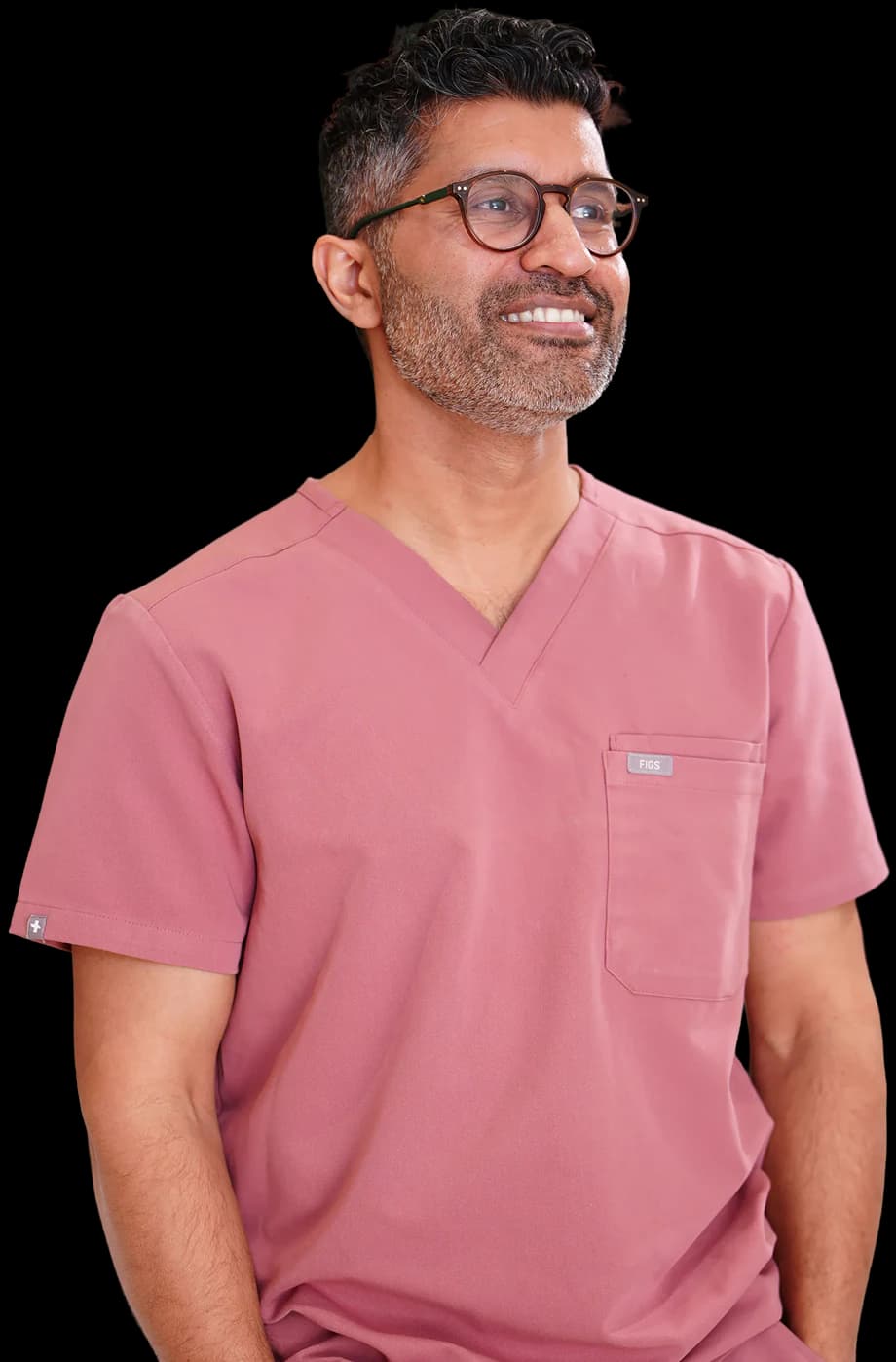



01

You arrive and settle in
We greet you, confirm your details, and make sure the team understands why you have come in before the clinical part begins.
If it has been a while, you feel nervous, or you are not sure which appointment to choose, we will help you start with a calm conversation and a clear clinical assessment.
You do not need to arrive with a treatment decision made. Your first visit is about understanding what is happening, what matters to you, and what options are suitable after assessment.
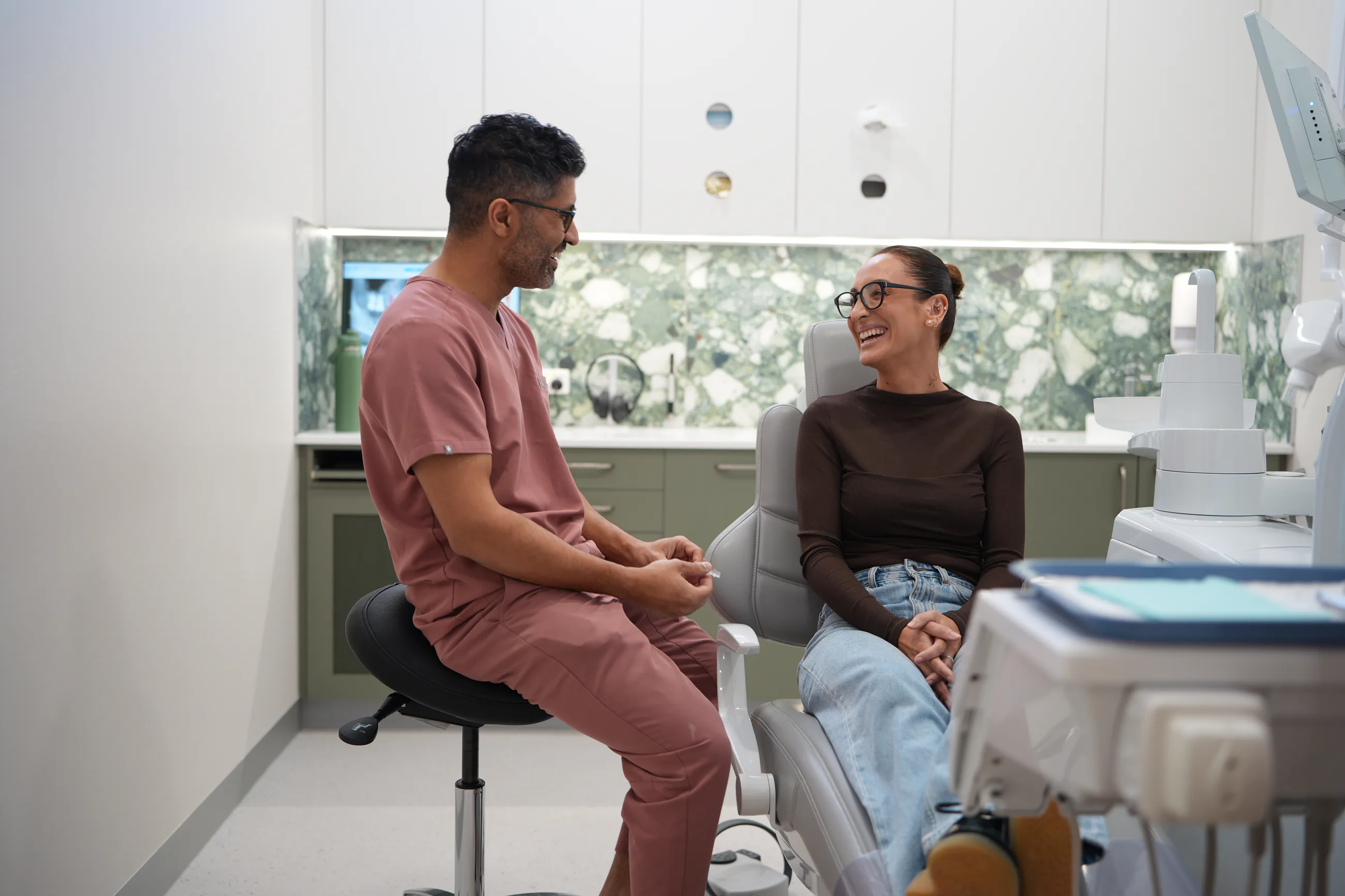
Six straightforward steps from arrival to a clearer plan.
We greet you, confirm your details, and make sure the team understands why you have come in before the clinical part begins.
You can explain symptoms, goals, previous dental experiences, anxiety, cost concerns, or anything you feel embarrassed about without needing to use clinical language.
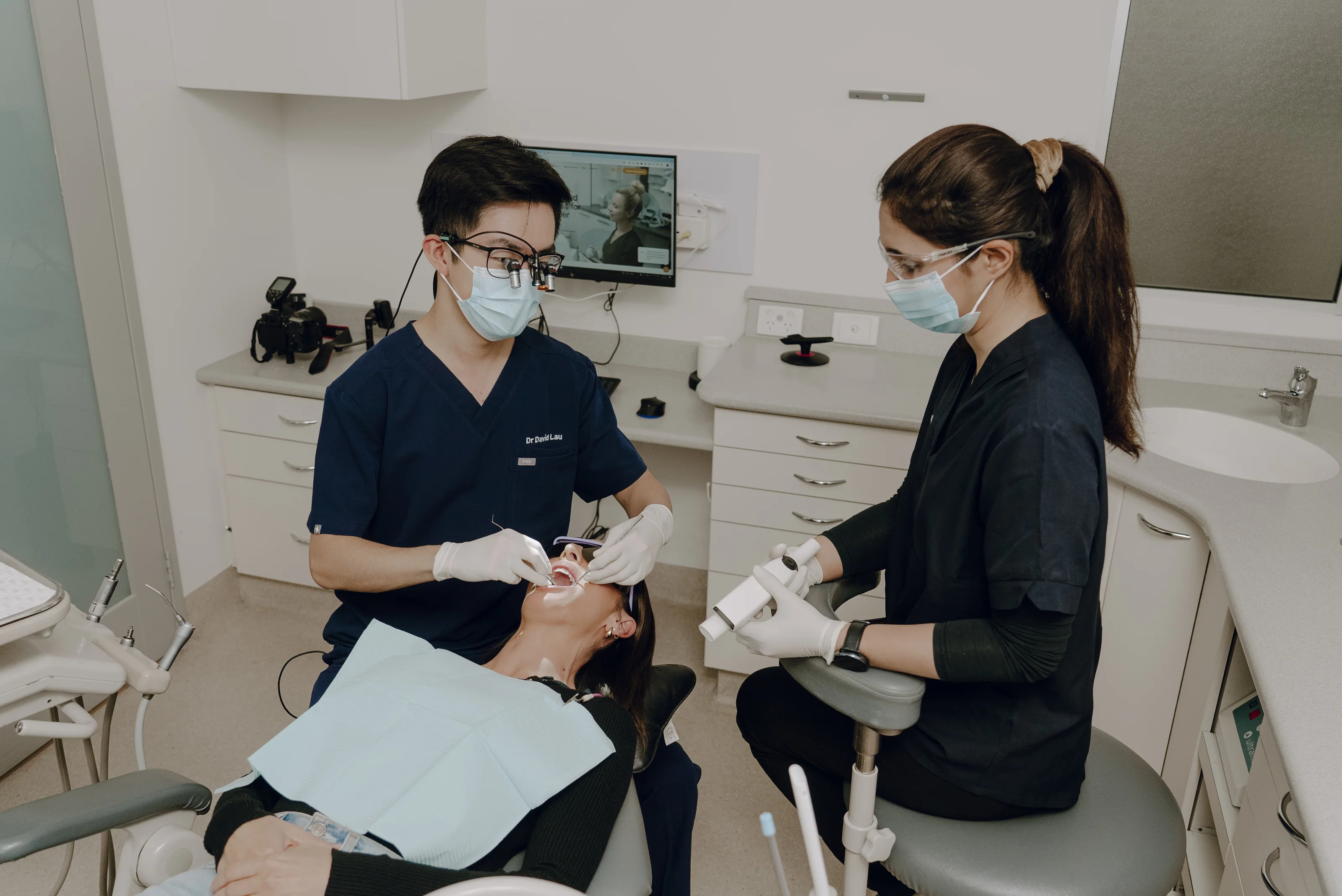
Your dentist checks teeth, gums, bite, soft tissues, and any specific concern. X-rays or scans are discussed only when they are clinically relevant.
We show you what we can see, explain what it may mean, and separate urgent needs from longer-term choices.
If treatment is suitable, you will understand the likely sequence, alternatives, maintenance needs, and fee estimate before deciding.
That may be a routine plan, a written estimate, a staged treatment discussion, or time to think and ask more questions.
Bring a list of medications, supplements, allergies, medical conditions, and recent health changes so your dentist can plan safely.
If you have recent x-rays, scans, or a treatment plan from another clinic, bring them along or ask for them to be emailed to us.

Cost, comfort, timing, appearance, missing teeth, a second opinion, or fear of judgement are all reasonable things to bring up.
Paid-traffic visitors often arrive with different needs. These pathways help you choose a sensible starting appointment without being pushed into treatment before assessment.
For patients who want a baseline, have not visited for a while, or want to understand their general oral health before anything larger is discussed.
A clean may need to be staged if gum disease, heavy build-up, discomfort, or medical factors require a different appointment plan.
Offer availability, inclusions, item numbers, health fund rebates, and payment options must be confirmed when booking. Treatment advice and fees depend on your clinical assessment.
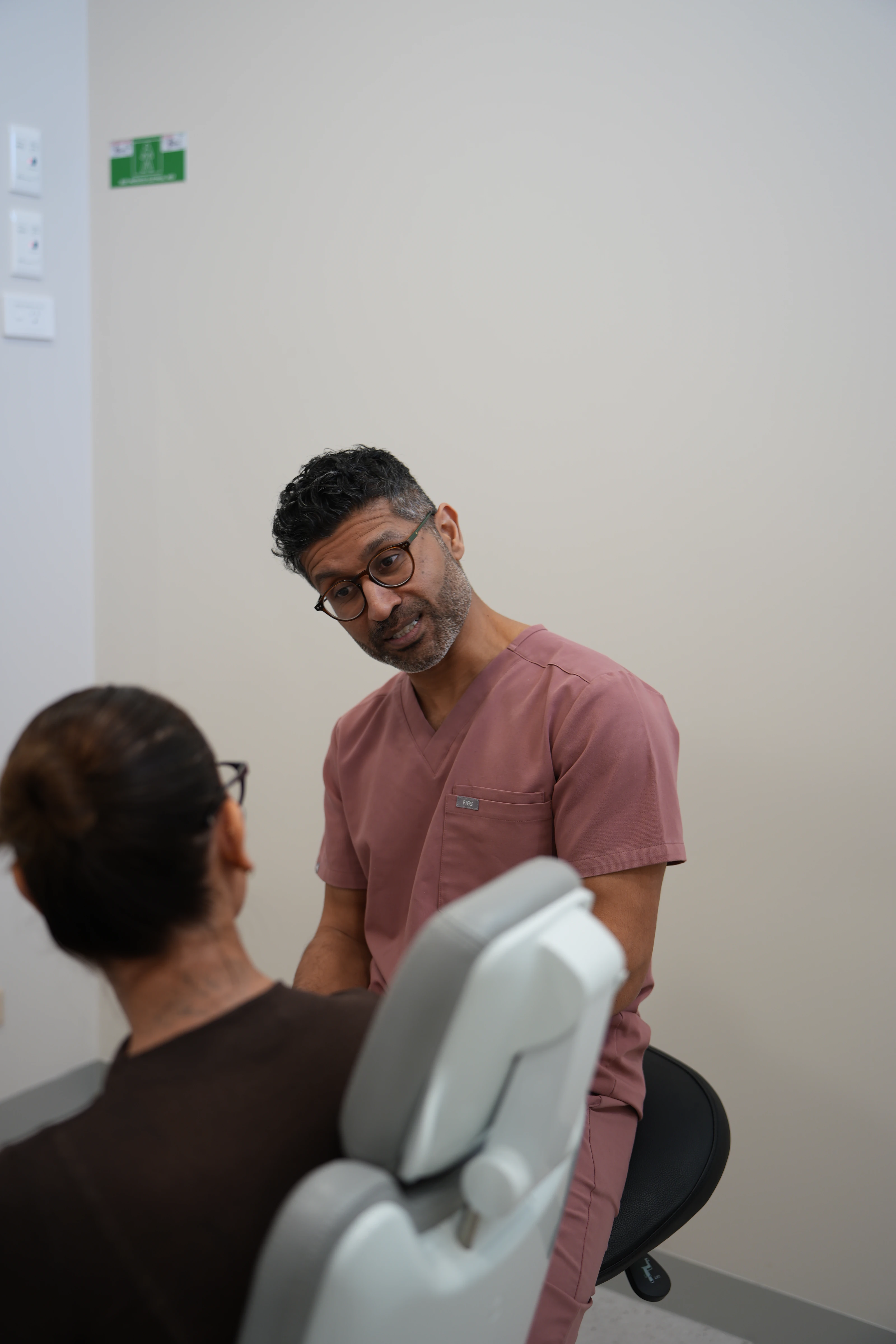
Nerves, embarrassment, and past dental disappointment can make booking feel bigger than the appointment itself. Tell us early so we can slow down, explain more, and help you stay in control.
Let us know what makes you uncomfortable: sounds, needles, cost conversations, judgement, gagging, or not knowing what will happen next.
You can ask us to pause, repeat an explanation, or show you what we are checking before a decision is made.
A first appointment can be for information and assessment. Treatment can be planned only after you understand the options and feel ready.
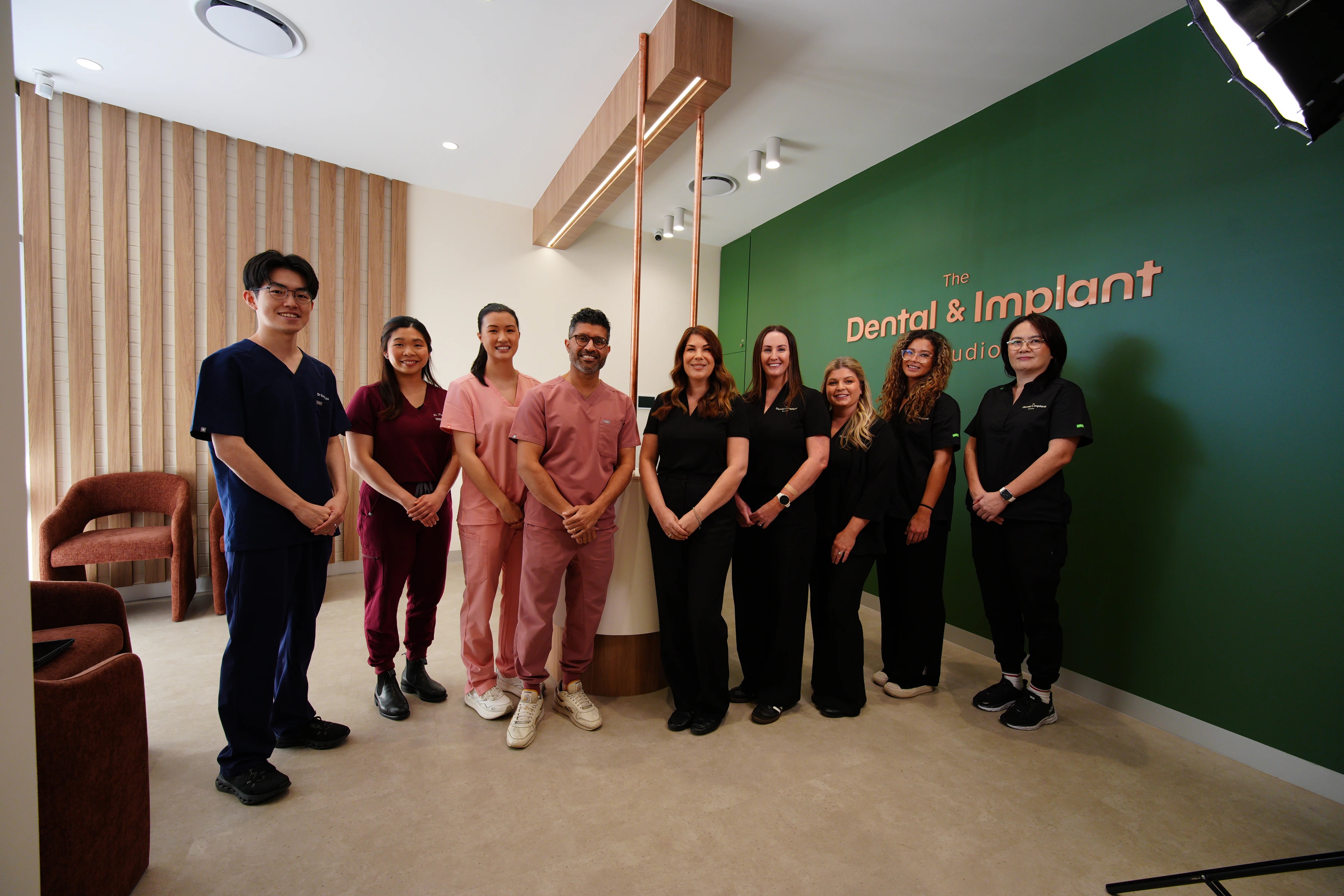
The Dental & Implant Studio is located at 6/15 Tribute Street in Shelley, with convenient access for patients from Parkwood, Shelley, and nearby southern Perth suburbs.
Patients commonly visit from Parkwood, Shelley, Willetton, Rossmoyne, Canning Vale, Riverton, and surrounding areas.
Shop 6 / 15 Tribute Street West, ShelleyIf you are unsure whether to book a check-up, urgent visit, implant consultation, or second opinion, call and describe what is happening.
08 6285 0322Previous x-rays, health fund details, a written plan from another clinic, or a list of questions can make the first appointment clearer.
Open directionsGeneral information only. Your dentist can give advice only after understanding your health history, examining your mouth, and discussing relevant risks and alternatives.
Your first appointment usually starts with listening to your concern, confirming your medical and dental history, then assessing your teeth, gums, bite, and any specific area of concern. Your dentist explains findings, discusses whether imaging is needed, and outlines next steps, options, risks, timing, and fees where relevant.