A damaged tooth does not always mean the biggest treatment
A careful assessment can separate what needs urgent attention, what may be repairable, what needs protection, and what should be planned in stages.
If a tooth feels cracked, patched, fragile, missing, worn, or too complicated to think about clearly, restorative dentistry starts by working out what needs to be stabilised, protected, repaired, or replaced.
The aim is not to jump straight to the biggest treatment. We look at tooth structure, gum health, bite forces, existing dental work, comfort, timing, and maintenance before a restorative pathway is discussed.

A careful assessment can separate what needs urgent attention, what may be repairable, what needs protection, and what should be planned in stages.
With support tailored to your needs, including suitability, comfort, next steps, and clear guidance after assessment.
Category guidance is reviewed for balanced options, suitability, alternatives, risks, maintenance, and fee context.
Suitability, risks, alternatives, timing, maintenance, and fees are discussed after assessment.
Restorative dentistry questions often begin with one worrying tooth, one old filling, or one gap. Choose the situation that feels closest and use it as a starting point, not a diagnosis.
Tap a concern to open a focused guide for what may be worth checking first.
The right restorative option depends on what is left of the tooth, how the bite works, whether a tooth is missing, and what needs to stay maintainable over time.

A crown may be considered when a tooth needs more coverage and protection than a filling can sensibly provide after assessment.

A bridge can replace a missing tooth by using neighbouring teeth for support where suitable and maintainable.

Digital same-day crown care may reduce the number of visits in selected cases, but suitability still depends on the tooth and the restoration needed.

A staged restorative plan may be considered when wear, missing teeth, old dental work, bite changes, or several weakened teeth need coordinated care.

Implants may enter the restorative discussion when a tooth is missing or when a tooth cannot predictably be restored after assessment.

A check-up and clean can create a baseline before larger restorative decisions, especially when the problem is uncertain or overdue.
Restorative decisions sometimes overlap with appearance goals, missing tooth planning, or cost timing. These internal guides can help you prepare questions before your appointment.
Useful when old dental work, visible tooth changes, or restorative materials also need to blend with nearby teeth after assessment.
Explore this pathwayUseful when a missing tooth or implant crossover option needs a clearer discussion about staged costs, inclusions, and maintenance.
Explore this pathwayThis guide does not diagnose the tooth. It helps you name the kind of restorative conversation that may be useful at your appointment.
Select the answer that feels closest. This will not diagnose you, but it can make the next question clearer.
Restorative decisions depend on tooth structure, gum health, bite forces, existing dental work, symptoms, medical history, and maintenance needs.
Restorative dentistry is used here as a service category, not as a specialist title.
A staged plan helps separate urgent stabilisation, tooth protection, replacement options, cost timing, and maintenance.
The current guide fees help you get your bearings before treatment is discussed: examinations from $70, fillings from $230, crowns from $1,500, extractions from $250, root canal therapy from $750, and implants from $4,500. They are starting points only.
A useful starting point when the real need is diagnosis, not guessing whether the tooth needs repair, protection, or replacement.
Relevant when the tooth appears repairable, but the final plan still depends on depth, cracks, bite pressure, and nerve risk.
A guide anchor when a tooth may need broader coverage and protection than a filling can sensibly provide after assessment.
Relevant when a tooth may not be predictably restorable, or when infection, fracture, or staging changes the pathway.
Helpful when the nerve may be inflamed or infected and the tooth could still be restorable after diagnosis.
Useful when missing-tooth planning or implant crossover care enters the conversation after oral health, records, and staging are reviewed.
The same symptom can lead to a filling, crown, root canal, extraction, implant, staged monitoring, or a broader rehabilitation plan, so the useful number is the one tied to diagnosis and inclusions.
Guide only, not a personal quote. Final fee depends on assessment, diagnosis, records, number of teeth, materials, staging, whether stabilisation or laboratory work is needed, maintenance, and what is confirmed in the written plan.
A local team of dentists and an oral health therapist focused on practical guidance, steady communication, and continuity from the first appointment through review and maintenance, without over-weighting any one clinician.
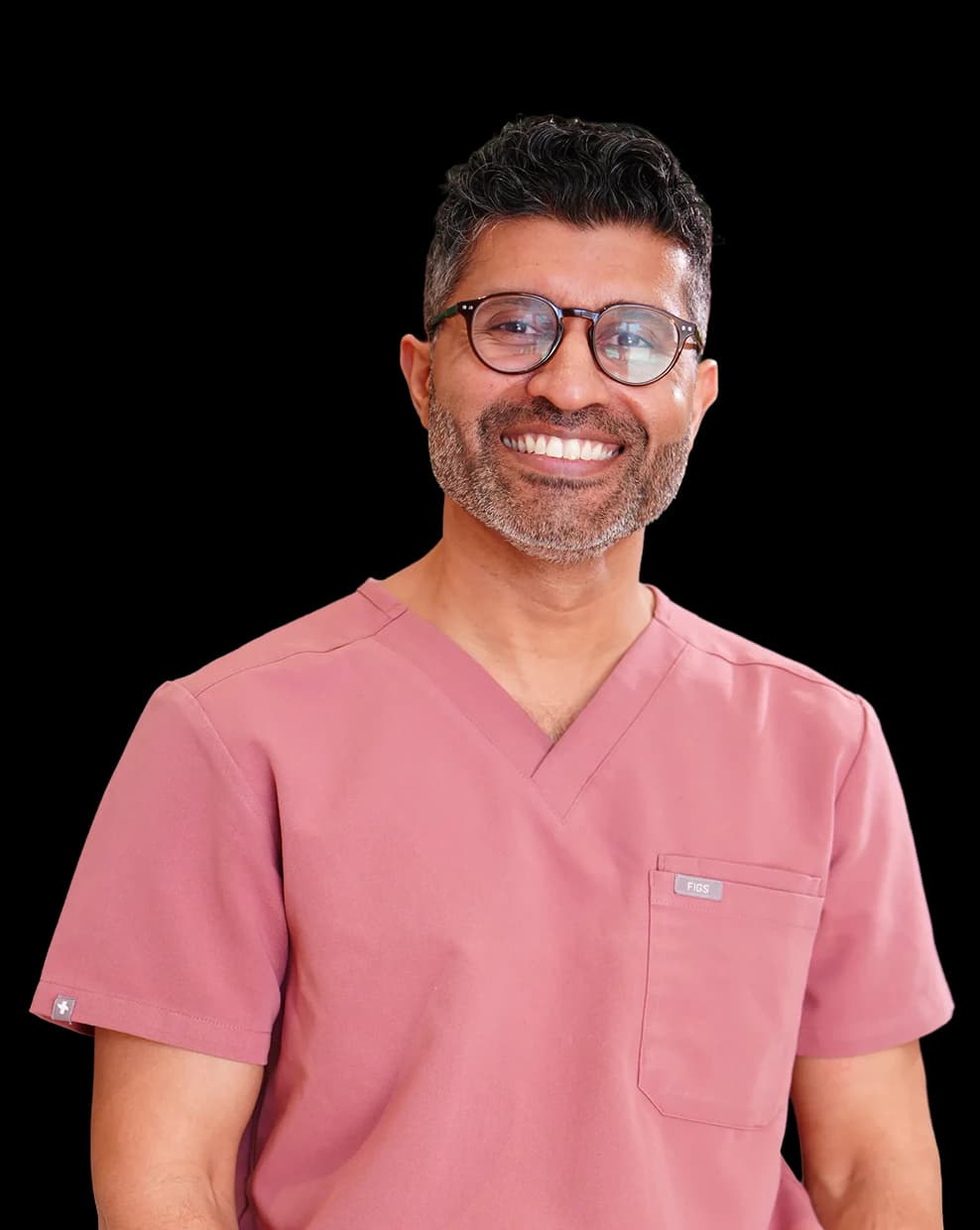
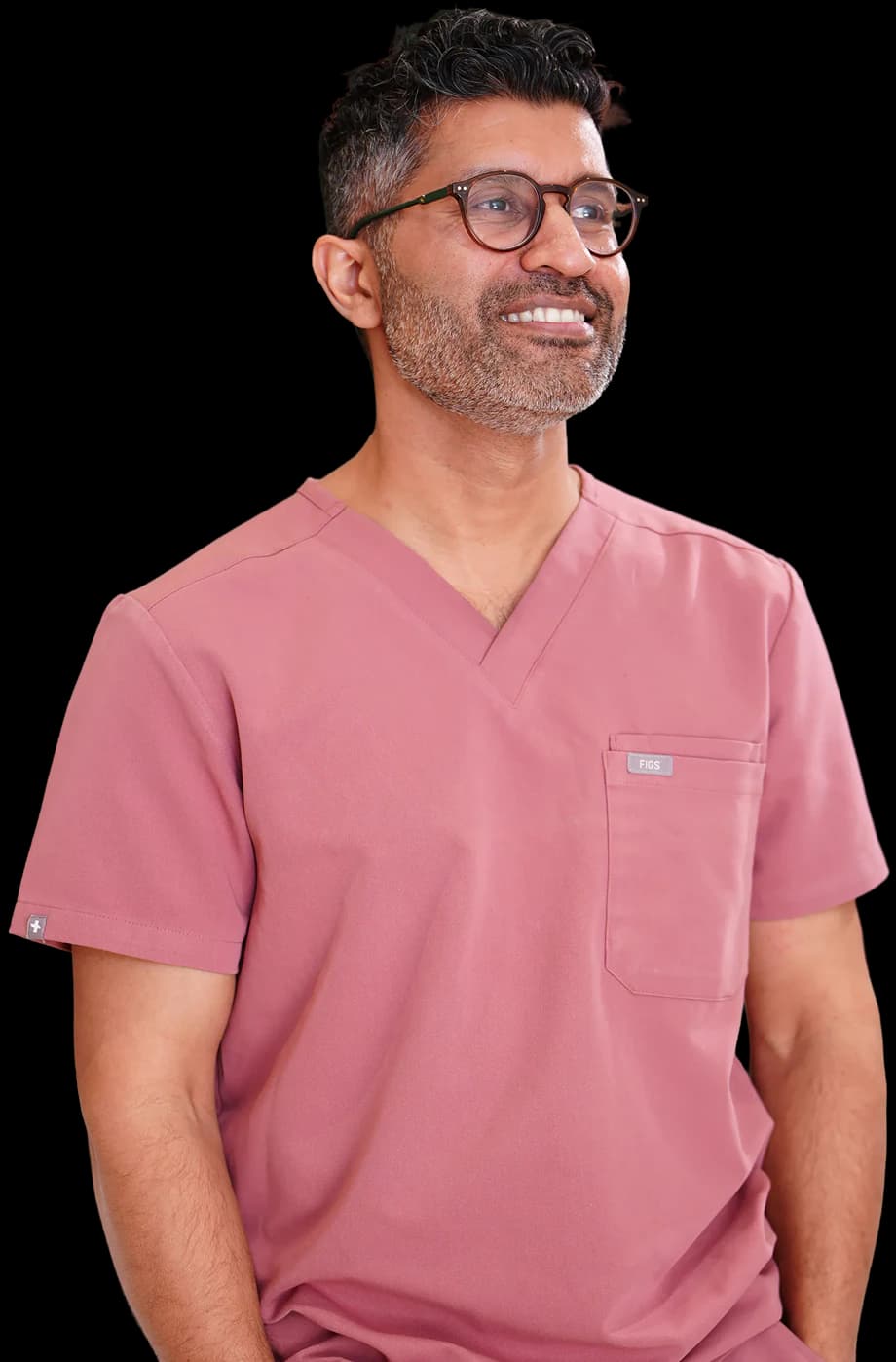
Principal Dentist, DEN0001372159
Dr. Meheransh Chopra
Dr. Chopra graduated from the University of Western Australia and focuses on helping patients understand their dental health before making decisions. His consultations place emphasis on education, careful assessment, and treatment planning that is explained in practical language.
At the studio, Dr. Chopra is closely involved in implant and restorative conversations, including suitability, function, aesthetics, maintenance, and the sequence of care. Outside dentistry, he enjoys motorsports, football, and music, and is Vice President of the WA Dental Alumni Association.
Dentist, DEN0002459496
Dr. Philene Ng
Dr. Philene Ng completed a Doctor of Dental Medicine at the University of Western Australia in 2020. She has a strong interest in restorative and preventative dentistry, with appointments shaped around communication and patient education.
Her approach supports patients who want to understand what is happening with their teeth and what options may be appropriate. Outside work, Dr. Ng enjoys the gym, cooking, baking, and planning travel, bringing a calm and balanced presence to the team.
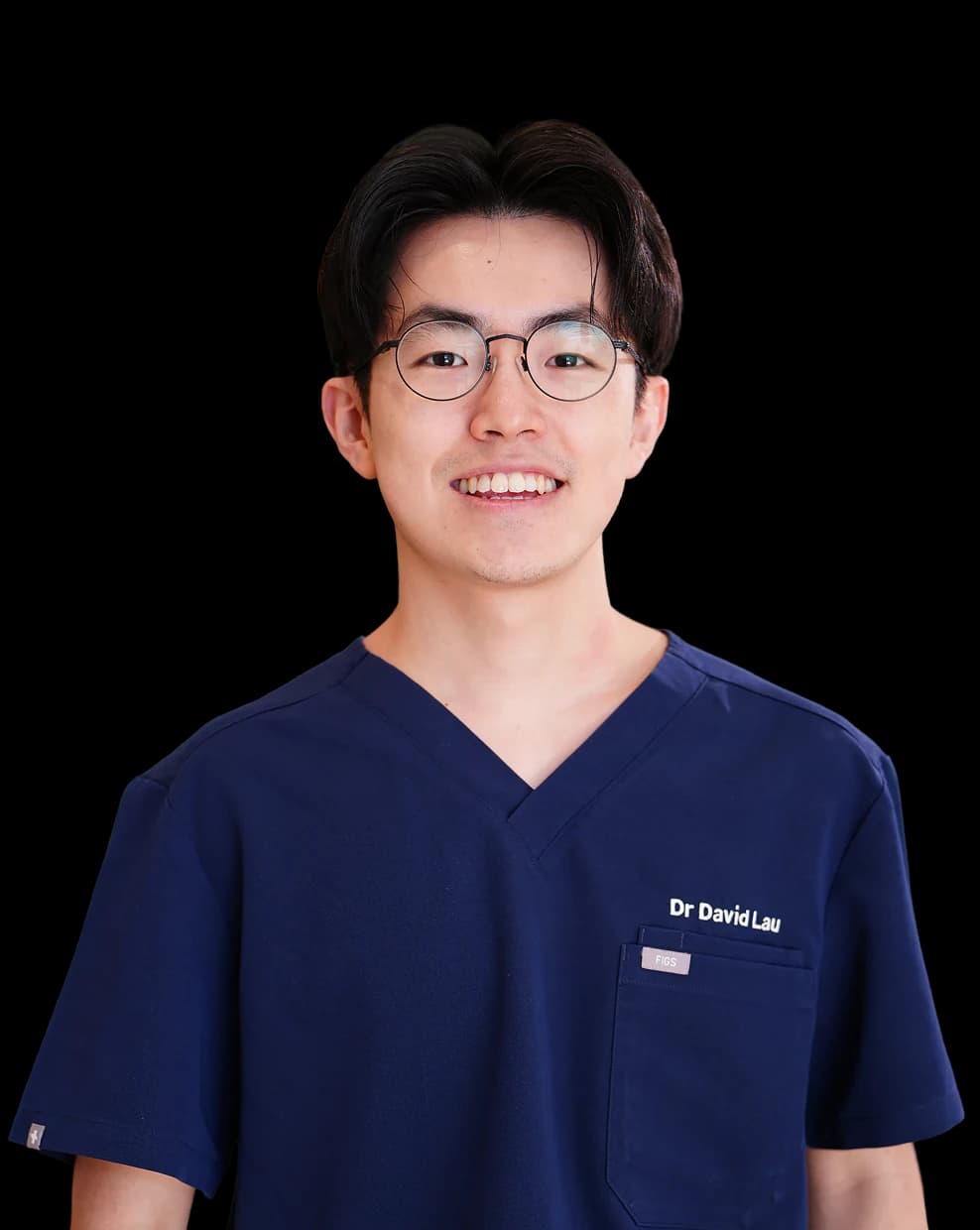
Dentist, DEN0002677043
Dr. David Lau
Dr. David Lau graduated from the University of Adelaide in 2022 and offers a broad range of dental treatments. He values patient-centred care and takes particular interest in helping anxious patients feel more at ease during appointments.
His work supports the wider studio approach by making everyday dentistry feel understandable and approachable. Away from the clinic, Dr. Lau enjoys the outdoors, culinary adventures, family gatherings, and exploring new food experiences.
Oral Health Therapist
Lydia Lee
Lydia Lee graduated from Curtin University in 2017 as an Oral Health Therapist. She provides thorough cleans, periodontal maintenance, oral health education, and supportive care for children and adults.
Her work is especially important for patients considering or maintaining implants, because gum health and daily cleaning routines influence long-term oral health. Outside the studio, Lydia enjoys food spots, travelling, volunteering, outdoor activities, musicals, and concerts.
These answers explain common restorative choices in general terms. Your own recommendation depends on an examination and discussion of risks, alternatives, timing, and maintenance.
Dental treatment can involve risks and limitations. Ask what applies to your situation before proceeding.
Restorative dentistry is a service category for care that repairs, protects, replaces, or rebuilds teeth after damage, wear, decay, missing teeth, or older dental work. It can include fillings, crowns, bridges, implant restorations, and staged rehabilitation.
If a tooth feels fragile, cracked, patched, worn, or too complicated to think about clearly, the first step is usually not choosing a treatment. It is working out what is stable, what is failing, and what needs attention before larger decisions are made.
Restorative dentistry is used here as a service category. It should not be read as a separate Dental Board specialist title, and you can ask whether any part of your case needs another opinion or registered specialist input.